

In industries where controlling the flow of bulk materials is critical, slide gate valves play a vital role. Whether it’s powders, granules, or small solids, these valves offer a simple yet effective solution for flow regulation. If you’re working in sectors like cement, chemical, agriculture, food processing, or pharmaceuticals, chances are, you’ve already come across slide gate valves.
This guide will help you understand what slide gate valves are, their key applications, different types, and why they are widely trusted in industrial settings.
What is a Slide Gate Valve?
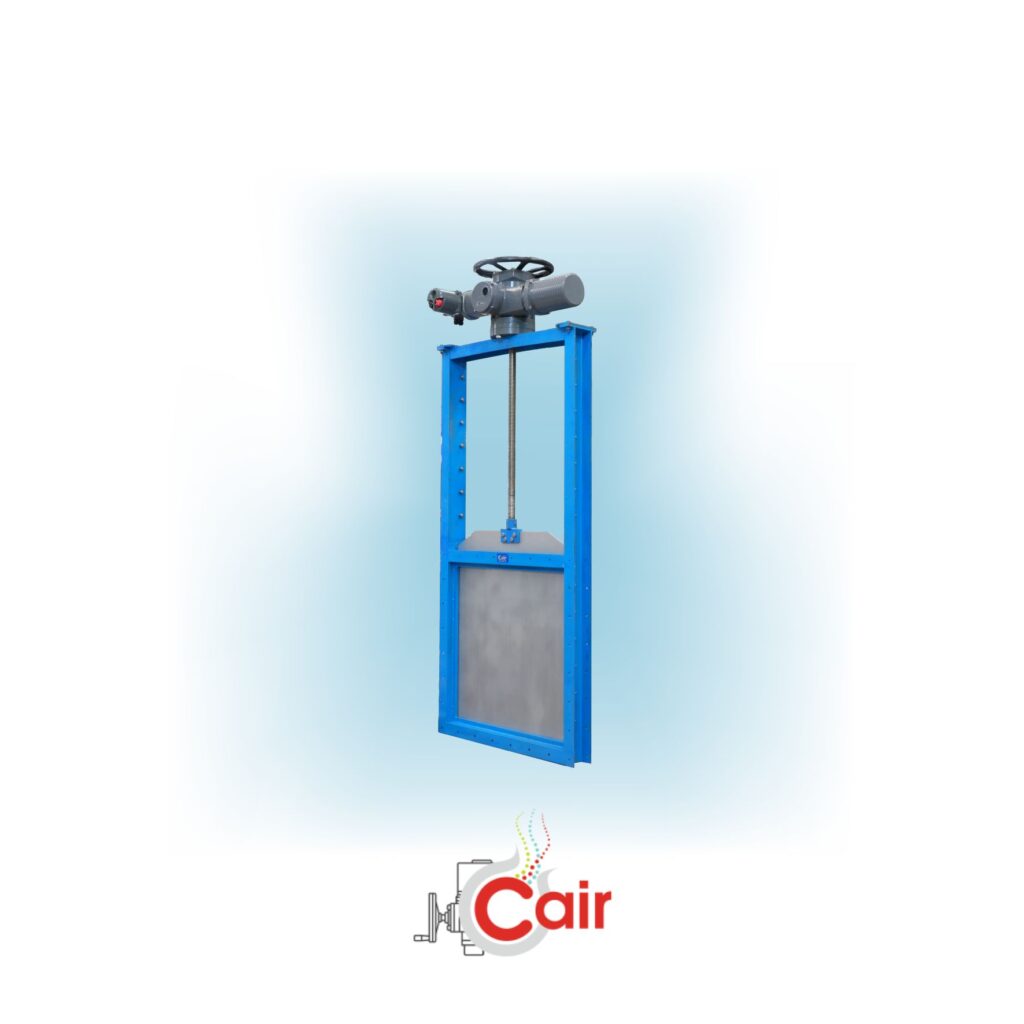
A slide gate valve is a mechanical device used to regulate or stop the flow of dry bulk materials. It consists of a flat or slightly curved gate that slides in and out of the flow path, much like a sliding door. When the gate is open, material flows freely. When it is closed, flow stops completely.
These valves are typically installed at the outlet of silos, hoppers, chutes, or conveyors. Their design is especially suited for gravity-fed systems and bulk material processing where flow control, dust management, and reliability are essential.
Where Are Slide Gate Valves Used?
Slide gate valves are used across many industries for a wide range of bulk solid applications. Some of the common sectors include:
- Cement & Construction
Used for sand, limestone, fly ash, cement, and aggregates. - Food & Beverage Processing
Ideal for grains, flour, sugar, spices, and dairy powders. - Pharmaceutical Industry
For hygienic handling of medical powders and granules. - Chemical Plants
Efficient in managing corrosive or abrasive dry chemicals. - Agriculture
For grains, animal feed, fertilizers, and other dry goods. - Power Generation
Control of ash, pellets, and other solid fuels.
Types of Slide Gate Valves
Slide gate valves come in different designs to suit various applications. Here are the most commonly used types:
1. Manual Slide Gate Valve
Operated by hand using a lever, wheel, or screw mechanism. These are best for low-cycle applications where automation isn’t necessary.
2. Pneumatic Slide Gate Valve
Controlled by compressed air cylinders, these valves are ideal for automated systems where quick, repeated opening and closing is required.
3. Electric Actuated Slide Gate Valve
Powered by electric motors, these are used in plants with full automation systems. They offer precise control and remote operation.
4. Knife Gate Valve
Although slightly different, knife gate valves are often grouped with slide gates. These are designed for dense, slurry, or semi-solid materials and feature a sharp blade that cuts through media.
5. Dust-Tight Slide Gate Valve
Equipped with seals and gaskets to prevent powder leakage and airborne contamination, especially important in food and pharma industries.
Key Benefits of Slide Gate Valves
Slide gate valves are not just simple in design—they bring a range of benefits that make them suitable for heavy-duty industrial operations:
✔️ Efficient Flow Control
You can regulate the material flow with high precision, reducing waste and improving process accuracy.
✔️ Durable and Low Maintenance
With minimal moving parts, these valves are robust and require less upkeep, even in harsh environments.
✔️ Easy to Install and Replace
Slide gate valves are compact and can be fitted into existing pipelines, silos, or chutes without complex modifications.
✔️ Versatile Material Compatibility
They can handle abrasive, corrosive, sticky, or fine materials depending on construction material (e.g., SS, CI, MS, etc.).
✔️ Supports Automation
Available with pneumatic or electric actuators for industries using SCADA or PLC systems.
✔️ Minimizes Dust Leakage
Critical for food, pharma, and chemical industries where hygiene and safety are priorities.
Choosing the Right Slide Gate Valve
When selecting a slide gate valve, keep these factors in mind:
- Material Type – Ensure the valve construction matches the abrasiveness, stickiness, or corrosiveness of your media.
- Flow Rate & Pressure – Choose a valve designed to handle the volume and speed of flow.
- Actuation Type – Decide between manual, pneumatic, or electric based on your system’s automation level.
- Seal Quality – For dust-tight operations, high-grade seals are a must.
- Size and Mounting Compatibility – Check that the valve fits your existing equipment (hopper, silo, chute, etc.).
Why Indian Industries Trust Slide Gate Valve Manufacturers
India has become a hub for industrial valve manufacturing, especially in regions like Ahmedabad, Gujarat. Slide gate valve manufacturers from India are known for:
- Competitive Pricing
Offering international-quality products at reasonable costs. - Customization Flexibility
Tailored solutions based on industry-specific requirements. - Global Exports
Trusted by clients in the Middle East, Africa, Europe, and Southeast Asia. - Strong After-Sales Support
Local technical teams and service centers ensure smooth operation post-installation.
Conclusion
Slide gate valves are more than just a basic mechanical tool—they are essential to the smooth, safe, and efficient flow of materials in various industries. Their versatility, durability, and ease of operation make them one of the most reliable components in bulk material handling.
Whether you’re upgrading an existing plant or setting up a new one, understanding slide gate valves can help you make the right decision. And with trusted Indian manufacturers providing quality valves with full support, you can invest with confidence.
Website: resilientgatevalve.com
Email : resilientgatevalve@gmail.com
Location: Plot No. 129/2, Shed No. 1, Cair Estate, Ranipur Road, Narol, Ahmedabad 380028, Gujarat, INDIA.
