

Selecting the right sort of steel tubing is essential for ensuring the power, efficiency, and sturdiness of any production or production challenge. Steel tubing is available in diverse paperwork, however two of the most common categories are mechanical tubing and structural tubing. While they will seem comparable at a glance, these sorts serve special functions and are designed to fulfill particular enterprise requirements. The choice among them often relies upon on factors like software, load-bearing requirements, fabrication methods, and compliance with policies. In the wider spectrum of structural metal products, understanding which type of tubing to apply is important for each performance and value-effectiveness.
This weblog will explore the core differences between mechanical and structural tubing, highlight their programs, and guide you in making an knowledgeable selection in your unique desires.
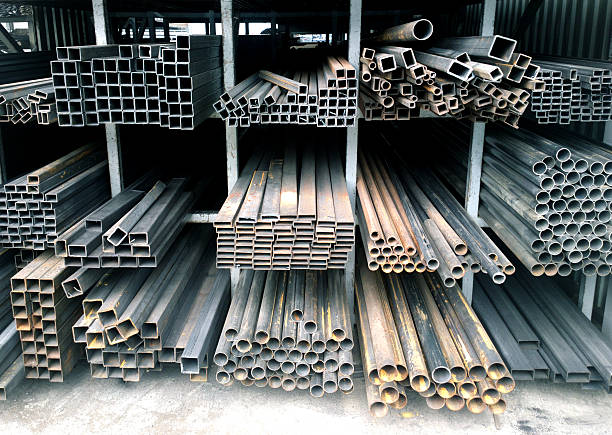
What is Mechanical Tubing?
Characteristics of Mechanical Tubing
Mechanical tubing is synthetic to tight tolerances and designed for programs where look, precision, and clean finishes are essential. It is usually used in the production of equipment, automobile additives, furniture, and appliances. Its manufacturing prioritizes precise outer and internal dimensions, smooth surfaces, and uniform wall thickness.
The material used for mechanical tubing is frequently cold-rolled metallic, which complements its dimensional accuracy and floor finish. Mechanical tubing typically undergoes extra rigorous first-rate control to fulfill precise tolerances demanded with the aid of industries that require precision-engineered additives.
Common Uses of Mechanical Tubing
Mechanical tubing is broadly used where precision and aesthetic characteristics are vital. Applications consist of hydraulic cylinders, automotive components, conveyor rollers, and commercial equipment. It is favored for conditions where structural power isn’t the only priority, however where the tubing desires to engage with different transferring parts or in shape inside a exceedingly described machine.
What is Structural Tubing?
Characteristics of Structural Tubing
Structural tubing is in general designed for load-bearing functions and is classified primarily based on its ability to withstand forces and hundreds over the years. It’s typically made the usage of hot-rolled steel and synthetic to standards that prioritize energy and sturdiness over appearance. Structural tubing is available in spherical, rectangular, and rectangular shapes and is used in construction, infrastructure, and framework programs.
The most essential high-quality of structural tubing is its capacity to guide weight and resist external stresses. It performs a essential position within the category of structural metal product, where consistency and power are vital for safety and overall performance.
Common Uses of Structural Tubing
Structural tubing is utilized in constructing frames, bridges, stadiums, towers, and industrial structures. It is essential in tasks where heavy masses and environmental exposure are concerns. The tubing frequently forms the skeleton of a structure, imparting each vertical and horizontal help and making sure balance beneath stress.
Differences Between Mechanical and Structural Tubing
Tolerances and Standards
Mechanical tubing is synthetic to a whole lot tighter dimensional tolerances than structural tubing. It is designed to meet ASTM standards which include A513, which defines precision and surface high-quality. Structural tubing, alternatively, adheres to requirements like ASTM A500, which specializes in yield strength, tensile strength, and elongation.
Strength vs. Precision
The biggest distinction lies in purpose: structural tubing is selected for its energy and sturdiness, while mechanical tubing is chosen for precision and clean finishes. Structural tubing can support vast weight and face up to wind, seismic activity, and other forces. Mechanical tubing, however, might not meet the equal electricity requirements but excels in certain manufacturing contexts.
Fabrication and Processing
Mechanical tubing is simpler to device and fabricate because of its steady internal and external dimensions. It also tends to be more conscious of further processing like drilling, reducing, or welding. Structural tubing, even as still viable, may additionally present more challenges in the course of fabrication because of its rougher end and much less uniform dimensions.
How to Choose the Right Tubing
Assessing Your Application Needs
Choosing between mechanical and structural tubing starts with a clear know-how of your mission’s desires. If the tubing is a part of a shape that have to undergo heavy masses or harsh situations, structural tubing is typically the higher choice. If the tubing goes to be used in a bit of device, where precision and look are important, mechanical tubing is possibly more suitable.
Budget and Cost Efficiency
Cost can be a determining thing. Structural tubing tends to be greater low cost while used in bulk or in big-scale construction projects. Mechanical tubing, due to its tight tolerances and subtle manufacturing procedure, may be more costly in keeping with unit. The higher price may be justified in applications requiring accuracy or in which the product is visible.
Industry-Specific Considerations
Construction and Infrastructure
In the development industry, structural tubing is often a go-to material as it meets constructing codes and requirements for energy and durability. It’s perfect for framework, help columns, and business systems in which the primary subject is stability.
Automotive and Machinery
In car manufacturing and mechanical device layout, mechanical tubing is greater customary. Its dimensional precision permits it to suit into assemblies with very little put up-processing, which saves time at some point of production.
Environmental and Load Factors
Performance Under Stress
Structural tubing gives better performance in environments where strain, stress, and external forces are at play. Whether it’s wind, load shifts, or temperature modifications, this tubing is constructed to resist deformation. Mechanical tubing, though durable, won’t perform as reliably beneath such pressure, mainly in load-bearing scenarios.
Longevity and Maintenance
Structural tubing, due to its robust nature, often requires less upkeep over time. It’s also more immune to environmental harm like corrosion while well dealt with. Mechanical tubing, relying on the material and end, may also require more common inspection and protection, particularly in dynamic systems.
Final Thoughts
Choosing between mechanical and structural tubing in the end comes down to capability. While each are crucial structural steel merchandise, their roles are pretty specific. Mechanical tubing excels in precision-based environments wherein accuracy and appearance count. Structural tubing, with the aid of contrast, is built for strength, patience, and protection in worrying environments.
Understanding the necessities of your venture will help you’re making the only and fee-green desire. Whether you’re constructing a excessive-upward thrust structure or designing custom machinery, deciding on the right form of steel tubing guarantees reliability and success.
FAQ
Can mechanical tubing be used for structural programs?
While mechanical tubing can technically be used in light structural packages, it is not designed for high-load or excessive-pressure environments. It is exceptional to use structural tubing for initiatives requiring durability and cargo-bearing electricity.
What is the main distinction in production among mechanical and structural tubing?
Mechanical tubing is synthetic to tight tolerances and often with cold-rolled metallic, giving it better finish and precision. Structural tubing is typically warm-rolled and produced with a focus on power and consistency in preference to appearance.
Is structural tubing more costly than mechanical tubing?
Not necessarily. While structural tubing may be greater value-powerful for large packages, mechanical tubing may be extra pricey per unit because of its specified manufacturing technique and tighter tolerances.
Can structural tubing be machined easily?
Structural tubing may be machined, however it might not offer the identical ease and end as mechanical tubing. For intricate machining, mechanical tubing is the favored desire.
Which is better for outdoor use?
Structural tubing is commonly better desirable for outdoor use due to its electricity and the choice to use defensive coatings. It holds up properly under environmental stress, making it perfect for exterior frameworks and industrial use.
