

Traveling to Bolivia is like stepping into a kaleidoscope of cultures, colors, and dramatic landscapes. From the glistening salt flats of Uyuni to the bustling markets of La Paz, the country gives a journey that unfolds on each winding street. But if you need the liberty to discover at your own pace, driving is the way to go. And earlier than you even consider getting at the back of the wheel, you’ll need one important file—an international driving permit in Bolivia. Without it, your avenue ride plans can be cut brief earlier than they even begin.
The Role of the International Driving Permit in Bolivia
An international riding permit is greater than only a translated model of your own home using a license—it’s an authentic journey document recognized in over 150 nations. For Bolivia, having one isn’t merely a proposal; it’s often a felony requirement. Whether you’re planning to rent a 4×4 to pass rugged mountain passes or cruise through small colonial cities, an IDP guarantees you can force legally and hopefully.
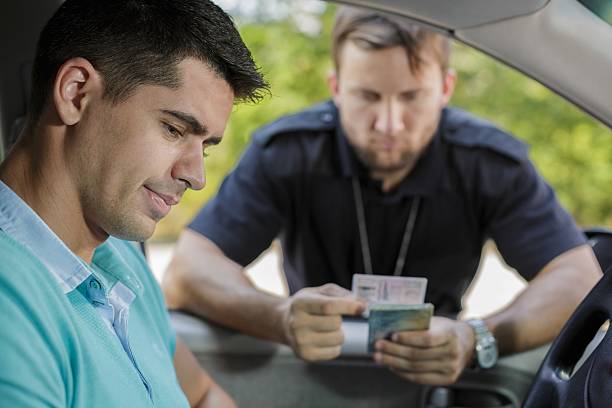
In Bolivia, avenue assessments are commonplace, specifically in rural areas. Police officials may additionally ask for your using files at any time, and offering an IDP lets you avoid misunderstandings or fines. It’s a small document that contains full-size weight on the subject of ensuring your trip is going easily.
Why Driving in Bolivia is Worth the Effort
Bolivia’s landscapes are as diverse as they are breathtaking. You can start your morning inside the cool Andean highlands, descend into lush Amazonian jungles by way of afternoon, and watch the solar set over a shimmering wasteland inside at nighttime. Public delivery exists, however it hardly ever takes you to the hidden gemstones that make Bolivia so unique.
Driving your self approach freedom—freedom to stop at a roadside market, to photo a herd of llamas grazing through the roadside, or to take that detour in the direction of a village competition you heard approximately from a local. But this freedom comes with responsibility, and having an international riding to allow Bolivia is a part of that obligation.
Understanding Bolivia’s Driving Conditions
Before you photo yourself cruising alongside smooth highways, it’s crucial to apprehend that Bolivia’s roads may be unpredictable. In urban areas like Santa Cruz or La Paz, you’ll discover paved roads and heavy traffic. But in rural regions, roads may be unpaved, winding, and occasionally poorly marked.
Weather also can change using conditions substantially. The wet season can flip dust roads into slippery, muddy tracks, even as excessive-altitude routes can challenge each of your riding competencies and your vehicle’s endurance. Having a global riding permit isn’t just about legality—it also signals that you’re prepared to handle a whole lot of using situations responsibly.
How an IDP Protects You Legally and Practically
One of the biggest blessings of an IDP is its multilingual translation of your motive force’s license. Bolivia has two authentic languages—Spanish and Quechua—alongside many indigenous languages. While many officers talk Spanish, your private home country. A .’s license may not be effortlessly understood. An IDP bridges this hole through presenting your records in a standardized, recognizable layout.
In the unlucky event of a coincidence, the IDP can be important in proving your riding credentials. Insurance corporations and local authorities are much more likely to procedure claims smoothly while you could give both your home license and a valid IDP.
Renting a Car in Bolivia—What You Need to Know
Most legitimate automobile apartment agencies in Bolivia will ask for each of your domestic driving force’s license and your international riding permit in Bolivia before handing over the keys. Without an IDP, your apartment request can be denied outright. Even if you manage to rent a vehicle without one, you threaten going through problems with regulation enforcement and coverage insurance.
Another realistic motive for wearing an IDP is peace of thoughts. Bolivia’s substantial landscapes mean you are probably some distance from principal towns for extended periods. The final element you need is to be stopped at a rural checkpoint and feature your experience behind schedule—or worse, cut quick—due to lacking documentation.
Tips for Driving Safely in Bolivia
While this isn’t a rustic where you’ll want to hurry from point A to point B, it is one in which vigilance is key. Roads may be shared with the entirety from buses and trucks to cyclists and roaming cattle. Mountain routes often have steep drops with minimum guardrails, so retaining consciousness is essential. Your IDP gains’t assist you keep away from potholes or tight switchbacks, but it will give you the prison clearance to navigate them.
Always take a look at your course ahead of time, and if feasible, are seeking advice from locals about street conditions. Some far flung areas may also require extra allowances or are probably inaccessible at some stage in certain seasons.
Conclusion
Your Bolivian journey should be about awe-inspiring perspectives, cultural immersion, and spontaneous discoveries—not approximately annoying whether or not you’ve got the right paperwork. A worldwide use of Bolivia is a small but important funding in making sure your adventure runs easily. It protects you legally, simplifies conversation with local authorities, and is frequently the figuring out component among riding freely or being stuck at the sidelines. So before you ebook that apartment car or map out your path, ensure an IDP is on the top of your tour checklist.
Frequently Asked Questions
1. Is an international driving permit mandatory in Bolivia?
Yes, in most cases. While a few condo agencies would possibly take delivery of the simplest of your domestic license, regulation enforcement can also nonetheless require an international driving permit in the course of roadside tests. Having one eliminates the chance of criminal complications.
2. Can I drive in Bolivia without an IDP if I have a valid license from my home country?
It’s volatile. Your home license by myself may not be recognized, specifically in rural or faraway regions. An international drive allows Bolivia to ensure your credentials are universally understood.
3. How long is an international driving permit valid in Bolivia?
Generally, an IDP is valid for twelve months from the date of difficulty, however your riding rights in Bolivia will even depend on the validity of your home license.
4. Do I need an IDP for short stays in Bolivia?
Yes, even for short visits. Roadside exams can happen everywhere, and without an IDP, you risk fines or being prohibited from persevering with your journey via vehicle.
