

Everyone is excited when moving to the UK to study. They get to meet new people, attend new classes, and have new opportunities to grow and develop. But writing essays can feel difficult at first.
Many international students feel confused when they get their first assignment.
The questions are written in a different style. The rules of writing may not be the same as back home. Some students struggle with language, while others are unsure of where to begin. This is completely fine because you are not alone in this. Thousands of students face all these issues every year.
The good news? You can learn how to write great essays step by step. This blog is made to help you. You’ll learn:
- How to read and understand essay questions
- How to plan before writing
- Where to find good research
- How to use simple language
- How to avoid mistakes like plagiarism
- When and where to get help
We’ll also share:
- Tables to help you organise ideas
- Charts to explain writing structures
- Tips that work
Essay writing does not need to be like an uphill task. When you are clear about the procedure, the writing becomes easy. You don’t need to be extraordinary; you need the willingness to learn. This blog will provide you with perfect guidance.
Effective Tips for Writing Essays
In this section, we have mentioned some tips that will help you in writing an outstanding essay. It is essential to understand some basic concepts before you begin writing. Furthermore, you can ask professionals who specialise in essay writing to assist you with your request.
Understand the Essay Question
The first and important step is to understand what the question is. Mostly, students start writing before even reading the question properly. This can lead to poor and wrong answers. Here is how to understand it:
Look for these parts:
- Topic
What is the essay about?
- Task
What do you need to do?
- Limit
Are there any specific areas or periods that interest you?
- Example:
- Question:
“Discuss the effects of social media on student learning.”
- Topic:
Social media
- Task:
Discuss (give both sides)
- Limit:
On student learning
- Tip:
Underline key words. Read it twice.
Make a Simple Essay Plan
Before you start writing, make a plan. A plan helps you stay on track. It also saves you time later.
Think of your essay like a small trip. Your plan is the map.
- A basic essay has 3 parts:
- Introduction
Start the topic
- Body
Explain your points (2–3 paragraphs)
- Conclusion
End the essay and repeat your main point.
Here’s a sample essay plan:
| Part | What to Write |
| Introduction | Say what the topic is and what you will say. |
| Body Para 1 | First point + example |
| Body Para 2 | Second point + example |
| Conclusion | Repeat your main idea in simple words. |
Start with short notes. Then turn them into sentences. A good plan means easier writing.
Do Proper Research
Good essays need good information. You should not guess, but you must research.
- Where to find information:
- School library books
- Trusted websites (.gov or .edu)
- Academic journals
- Teacher’s notes and handouts
- Take short notes as you read.
- Write the author’s name and the date you’ll need it for referencing later.
- Example:
If your topic is about climate change, search for real facts, data, and expert opinions. Do not copy from random blogs or unknown sites. Always double-check your source. If you still think doing this on your own is like an uphill task, then you may ask experts to write my research paper for me.
- Tip:
Many students search write my research paper for me when they feel stuck. But with the right steps, you can do it yourself, slowly and clearly. Research takes time, but it makes your essay strong and smart.
Use Easy and Clear Language
Good writing is simple writing. Don’t opt for big words to sound smart. Instead, use short, clear, and simple sentences that are easy to read.
- Do this:
- Use every day English
- Write one idea per sentence
- Keep your paragraphs short
- Use “I” or “we” only if your teacher allows it
- Example:
Instead of writing:
“The significance of this phenomenon is substantial.”
Say:
“This is very important.”
Short words are powerful. They help the reader understand quickly. Also, write in an active voice.
- Example:
- “The students completed the project.” (active)
- Not: “The students completed the project.” (passive)
Clear writing shows clear thinking. It also helps your teacher see that you have a good understanding of the topic.
Use a Good Essay Structure
A good essay has a clear shape. If the structure is strong, the essay is easier to read and understand.
Most UK essays follow this simple format:
| Part | What It Includes | Word Count (for a 1000-word essay) |
| Introduction | Topic + what you will discuss | 100–150 words |
| Body Para 1 | First point + evidence/example | 250 words |
| Body Para 2 | Second point + evidence/example | 250 words |
| Body Para 3 | Third point + evidence/example (if needed) | 250 words |
| Conclusion | Final message + repeat main idea | 100–150 words |
Each part must link clearly to the next. Opt for words like first, next, also, finally, and in conclusion.
Avoid Plagiarism
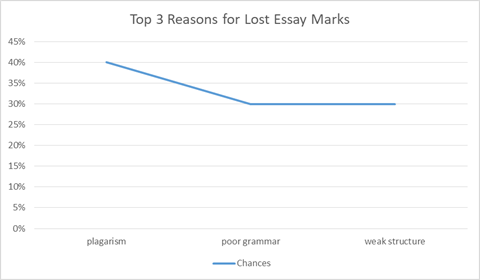
Plagiarism means copying someone else’s work without giving the actual credit. It is a serious mistake in the UK and can cause you to fail your essay. Always use your own words. If you use someone’s idea, give them credit. This is called referencing. When you ask someone, Do my essay writing for me, make sure to check the final draft to see if it is original or not.
- Use These Free Plagiarism Checkers:
| Tool Name | What It Does |
| Grammarly | Checks grammar + plagiarism |
| QuillBot | Helps rewrite in your words |
| Small SEO Tools | Finds copied text |
- Why Students Lose Marks
- Tip: Read. Understand. Then write in your own way. Even if your English is simple, it’s better than copying.
Edit and Proofread
Don’t quickly submit your essay after you are done writing. Take the time to edit and review your work. Even small mistakes can lower your marks.
- What to Look For:
- Spelling errors
- Wrong punctuation
- Long, confusing sentences
- Missing references
- Unclear ideas
Reading your essay out loud can help. You’ll catch mistakes you didn’t see before.
- Easy Proofreading Checklist
- Spelling is correct
- Sentences are short
- Paragraphs are clear
- All sources are cited
- Grammar looks good
You can ask any of your classmates or friends to read it. Sometimes others see things you miss.
Ask For Help When Needed
Writing an essay is no less than climbing uphill. However, you don’t need to do everything on your own. It is great to ask for help when needed. Many students do.
- Where to Get Help:
- Your teacher or tutor
- University writing centre
- A friend in your class
- Online writing tools and guides
If you’re feeling stuck, consider searching for a report writing service UK to gain ideas or feedback. Just ensure that you don’t copy and paste and always use your own words.
Frequently Asked Questions
- What if I am not clear about the essay topic?
Break the question down or ask your teacher to break it into smaller parts.
- How detailed should an essay be?
You should follow the instructions for word count given by your teacher.
- Can I ask any online tool to help me?
Yes, you can. However, please don’t copy and paste it. Use your own words.
Final Tips
Essay writing in the UK may feel difficult at first. However, it gets simpler over time. Here is a quick reminder of what you have read and learned in this blog:
- Read and understand the question
- Make a simple plan
- Do proper research
- Use easy and clear words
- Follow the right structure
- Don’t copy. Write in your own words
- Check your work before you submit it
- Ask for help when needed
Take one step at a time. Stay calm and clear. After following all the above-mentioned tips, you can do it in the best way possible.
