


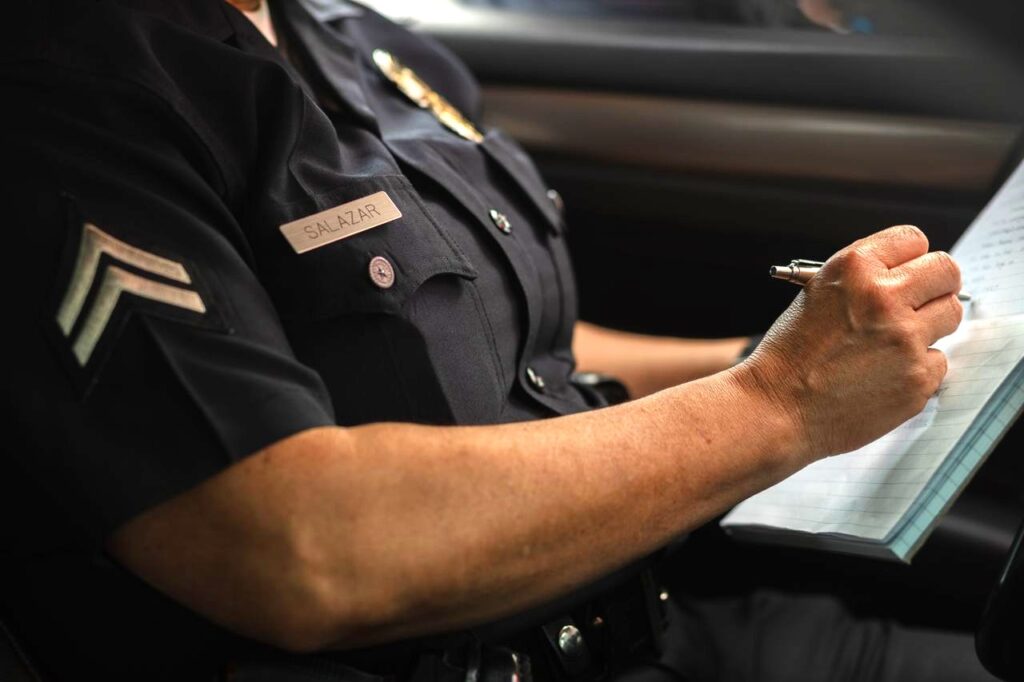
What would you do if the police asked to speak with you?
Most people think the best approach is to explain everything straight away. If you’ve done nothing wrong, surely clearing up the misunderstanding is the fastest way to move on.
In practice, that’s rarely how police interviews work.
Whether you’ve been arrested or contacted as part of an investigation, every conversation has the potential to become evidence. What you say, what you leave out, and even what you agree to can affect your position long after you’ve walked out of the station.
Here are eight of the most common mistakes people make during a police investigation, and how to avoid them.
1. Agreeing to an Interview Before Speaking to a Lawyer
The biggest mistake is treating a voluntary interview like an informal chat.
People often believe that if they’re innocent, they have nothing to lose by answering questions. The problem is that police aren’t interviewing you to help clear your name. They’re investigating an offence and collecting evidence.
I’ve seen people unintentionally place themselves at a location, confirm part of a timeline, or make small inconsistencies simply because they were nervous. None of those things seemed important at the time. Later, they became central to the case.
Before answering questions, seek the help of criminal lawyers. You’ll understand what the allegations are, what your rights are, and whether participating in an interview is actually in your interests.
2. Thinking the Officer Is Trying to Help You

A calm, friendly officer doesn’t mean the interview is working in your favour.
Investigators are trained to build rapport. You may hear things like:
- “Help me understand what happened.”
- “This is your chance to tell your side.”
- “It’ll look better if you cooperate.”
Those statements are designed to keep the conversation going. They are not promises.
Police don’t decide whether you’re convicted or what sentence you receive. Courts do.
Don’t make admissions because you think an officer can make the problem disappear. Once you’ve said something, it’s part of the evidence.
3. Accepting Everything You’re Told at Face Value
Police don’t have to reveal everything they know, and they don’t always tell you exactly how strong their case is.
During an interview, an officer might suggest someone has named you, or that forensic evidence places you at the scene. Sometimes that’s accurate. Sometimes it’s an interview strategy intended to see how you’ll respond.
Making decisions based on what you think police know is risky.
If you want legal advice about the evidence, get it from your lawyer—not across the interview table.
4. Guessing When You Don’t Remember

People hate silence. Under pressure, they start filling gaps in their memory.
That’s where trouble starts.
If you’re asked where you were last Tuesday at 9 pm and you genuinely don’t remember, don’t guess. Saying, “I think I was at the shops,” when you were actually somewhere else can later be portrayed as dishonesty.
If you don’t know, say you don’t know.
“I don’t recall” is a far better answer than an incorrect one.
5. Consenting to a Search Because It Feels Easier
Not every mistake happens during questioning.
Police may ask to search your phone, your car, your bag or your home. Many people agree simply because they don’t want to seem difficult.
Consent can give police access they might not otherwise have without a warrant or another lawful power. If they discover something unrelated, you’ve potentially created a new problem.
If you’re asked for permission to search your property, ask whether the search is being conducted under a warrant or another legal power. If the search depends on your consent and you’re not required to agree, you can politely refuse.
6. Believing You Have to Answer Every Question

One of the biggest misconceptions is that staying silent makes you look guilty.
Generally speaking, Australians have the right to remain silent when questioned about an alleged offence, although there are situations where you’re still required to provide identifying information.
Exercising that right isn’t an admission of guilt. It’s a safeguard that exists for a reason. Far more people create problems by talking too much than by saying too little.
7. Losing Your Temper
Police interviews are stressful. That doesn’t mean losing your cool helps.
Arguing, shouting or making threats won’t strengthen your position. It usually has the opposite effect.
You can be polite while firmly asserting your rights. Staying calm also makes it much easier to think clearly and avoid saying something you’ll regret later.
8. Signing Something You Haven’t Properly Read
Never assume a written statement accurately reflects what you meant.
Read every page carefully. If something is wrong, incomplete or misleading, don’t sign it. Once you’ve signed a document, it becomes much harder to argue later that it doesn’t represent what you intended to say.
If you’re unsure about any document, get legal advice first.
What Can You Safely Say?
If police want to question you, keep your responses to what you’re legally required to provide.
In most situations, you can:
- Provide your identifying details where the law requires it.
- Say, “I’d like to speak with a lawyer before answering any questions.”
- Say, “I’m exercising my right to remain silent.”
- Decline to discuss the alleged offence until you’ve received legal advice.
What Police Can’t Force You to Do

Police have broad investigative powers, but those powers have limits.
Generally, they cannot:
- Force you to answer questions about an alleged offence.
- Force a confession.
- Use violence, threats or oppressive conduct to obtain admissions.
- Make you sign a statement you don’t agree with.
- Prevent you from obtaining legal advice where you’re entitled to do so.
The exact rules differ between Australian states and territories, and there are circumstances where you’re legally required to provide identifying information or comply with lawful directions.
Before You Say Another Word
Never forget that police interviews are evidence-gathering exercises, not casual conversations with a seemingly nice officer. Knowing when to stay silent, when to ask questions, and when to get legal advice can make a significant difference to how a matter unfolds.
Disclaimer: This article provides general information only and is not legal advice. Criminal laws and police procedures differ between Australian states and territories. If you’re under investigation or have been charged with an offence, seek advice from a qualified criminal lawyer as soon as possible.
Author Bio: Carmina Natividad is a daytime writer for Catron Simmons Lawyers, a trusted Adelaide-based law firm offering expert legal services in family law, wills and estates, property settlements, and support from skilled criminal lawyers in Australia. She enjoys writing helpful and easy-to-digest content about legal topics, offering practical tips and insights to make navigating life’s tricky situations a little less stressful.

