


Timber flooring serves as a permanent stylish option which improves the aesthetic appeal and market worth of both residential and business buildings. The material establishes its popularity as an appropriate flooring solution because of its natural warmth and strong construction and ability to match various interior design styles. The selection process for timber flooring demands thorough examination of multiple factors which include wood species and finishing and the material’s ability to withstand use and its upkeep requirements. The essential tips you will learn help you create a decision which matches your current space and everyday activities.
Understand the Different Types of Timber Flooring
Knowing heavily on available options is important before deciding on timber flooring:
- Solid Timber Flooring: Solid construction from a single piece of hardwood-suggesting durability and lifespan-allowing it to be sanded and refinished to remove scratches, etc.
- Engineered Timber Flooring: Engineered timber functions as a stable moisture-resistant material which consists of a plywood base or high-density fiberboard base that has been covered with hardwood veneer.
- Laminate Flooring: No-genuine-wood laminate gives the appearance of real wood at a very affordable price-really.
Your decision will be determined by three factors which include your financial resources and the environmental conditions and your future predictions.
Consider the Room and Its Function
The needs of various spaces differ from each other. Most timber flooring options can be used in living rooms and bedrooms. The higher foot traffic in kitchens and entryways together with their moisture exposure makes these areas different from other spaces.
Engineered timber provides superior performance in areas which face changing humidity conditions because it demonstrates reduced expansion and contraction behaviour. The best wood species for high-traffic areas include oak maple and spotted gum because these materials deliver long-lasting performance.
Choose the Right Wood Species
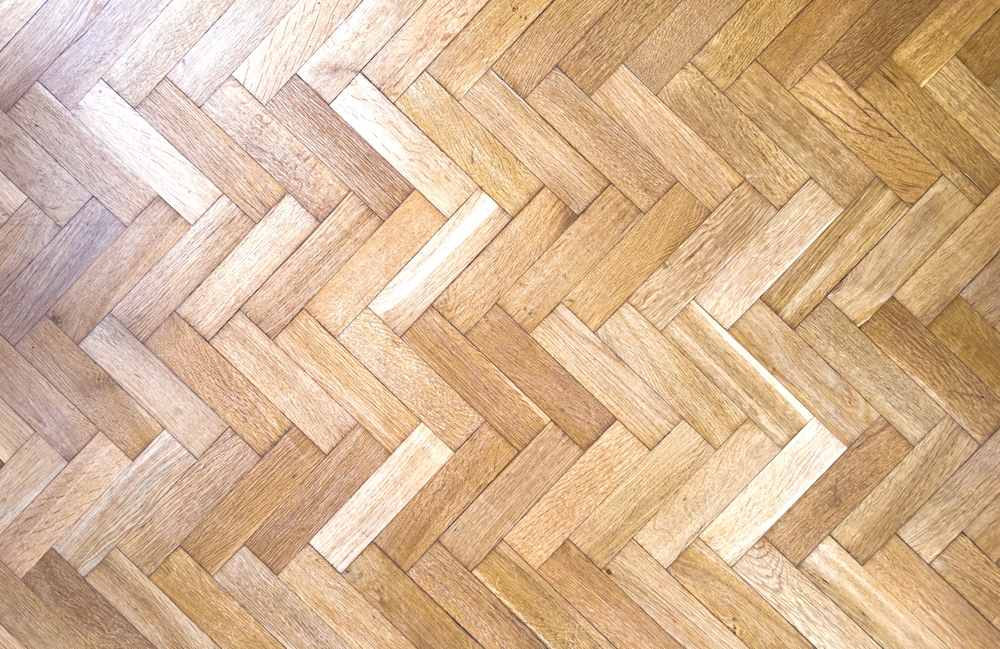
Every type of wood shows its features through different color patterns and distinct grain designs and specific hardness values. Light-colored timbers create an open and airy feel, while darker tones add warmth and sophistication. The interior design style of the space determines the wood species selection process.
The essential element that this situation depends on requires assessment through hardness testing. The Janka hardness rating measures a wood’s resistance to wear and dents. The use of harder timber helps to protect homes with pets and children from floor damage because it extends the flooring’s protective capabilities throughout its entire lifespan.
Select the Appropriate Finish
Yes, the appearance and maintenance of a timber floor are greatly influenced by its finish. Common finishes include:
- Matte Finish: provides an authentic appearance which effectively conceals scratches.
- Satin Finish: delivers a faint glow which requires minimal effort for its upkeep.
- Gloss Finish: produces a shiny look which makes scratches more visible than other finishes.
You can choose between two flooring options which are pre-finished boards that come ready for installation and site-finished floors which need sanding and sealing after their installation process.
Think About Maintenance Needs
Timber flooring needs ongoing maintenance to preserve its original beauty. The floor needs daily sweeping and vacuuming to remove dirt because these methods prevent scratches which would damage the wooden surface. The wood-safe cleaner should be used for mopping after the daily cleaning to maintain the floor’s fresh appearance. People who want flooring which requires little upkeep should choose engineered timber that comes with a strong protective finish. The natural wood material will sustain damage if it gets exposed to excessive water for extended periods.
Assess Installation Methods
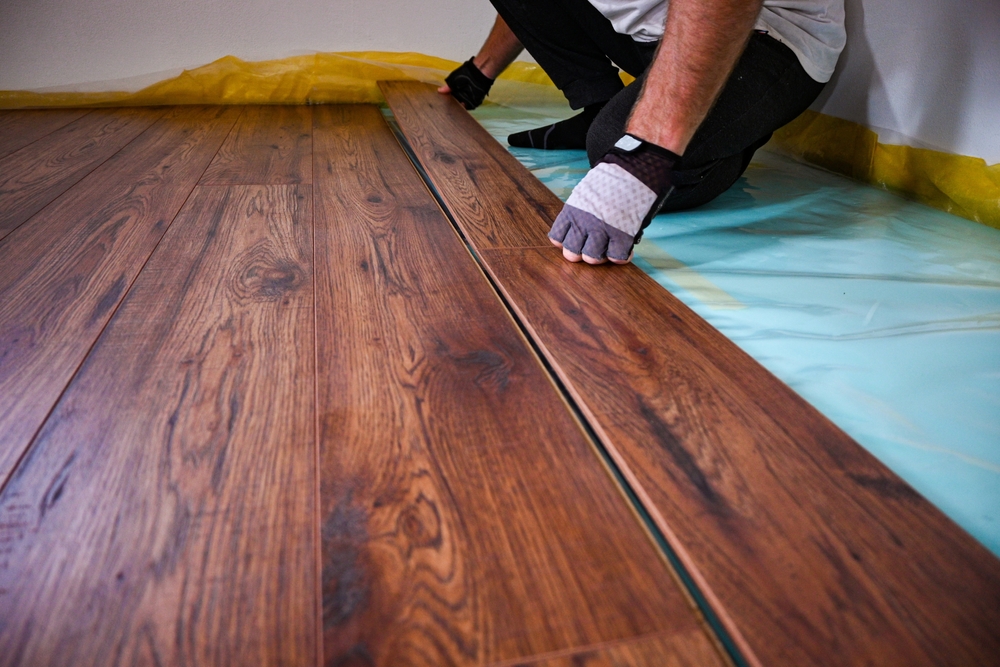
The different timber flooring types require different installation methods. The installation of solid timber requires nails or glue to secure the material while engineered flooring offers three installation options which include floating and gluing and nailing. The installation process by trained experts guarantees accurate alignment of flooring materials which leads to their long-lasting strength and stability throughout their lifespan.
Set a Realistic Budget
Timber flooring is an investment that can increase property value. The higher initial expense of solid hardwood becomes more economical through its extended lifespan. The total expense of a project requires you to evaluate both material costs and installation expenses together with ongoing maintenance costs.
Conclusion
Timber flooring should be chosen through three criteria which include aesthetic appeal and material strength and practical usage. The combination of timber types and wood species selection and room condition assessment and maintenance plan development enables you to create a flooring solution which improves any space. Timber flooring maintains its beauty and comfort and value through proper selection and maintenance for an extended period.

