


A drive belt may look like a simple rubber loop, but it plays a very important role in keeping machines and vehicles running smoothly. It helps power key parts and keeps everything moving in sync.
But here’s the big question many people ask: How long does a drive belt actually last?
The answer might surprise you. It depends on several factors, and sometimes a belt can wear out earlier than expected. In this detailed guide, we’ll explore the average lifespan, what affects it, warning signs to watch for, and how you can make it last longer.
Note:
If you are looking for high-quality Drive belt(Antriebsriemen) solutions and expert guidance, PIX Germany offers trusted products designed for durability and performance. For detailed information or support, Contact them to explore the right option for your needs.
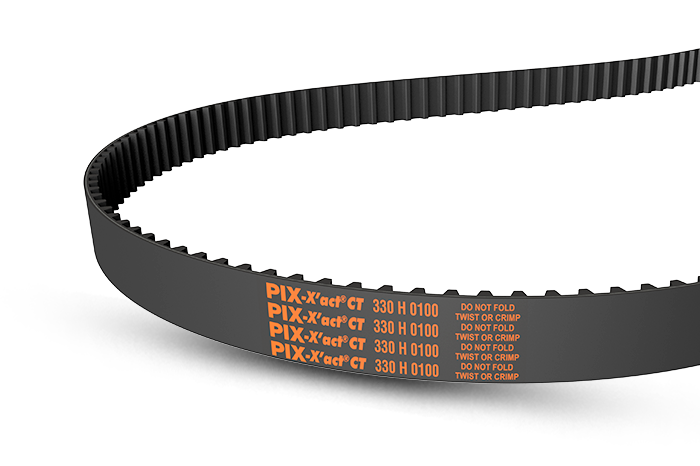
What Is a Drive Belt and Why Is It Important?
A drive belt connects different moving parts inside a machine or vehicle. It transfers motion from one part to another so that everything works together properly.
In many vehicles, it helps run important systems. Without it, the system may stop working correctly.
Why it matters:
- It keeps essential components running
- It supports smooth and quiet operation
- It helps maintain overall performance
- It prevents sudden breakdowns
When it fails, the problem can quickly grow bigger. That’s why understanding its lifespan is so important.
The Average Lifespan of a Drive Belt
Most modern belts are built to last a long time. However, there is no single number that fits every case.
Here’s a simple overview:
| Type of Usage | Average Lifespan |
|---|---|
| Normal daily use | 60,000 – 100,000 km |
| Heavy usage | 40,000 – 70,000 km |
| Light usage | Up to 100,000+ km |
| Industrial machines | Depends on hours of operation |
In general, many belts last between 5 to 7 years under normal conditions.
But here’s the catch — some fail much earlier. Why? Let’s look deeper.
What Affects the Lifespan?
1. Driving Habits
Frequent short trips, sudden acceleration, and heavy loads can increase stress on the belt. Smooth and steady operation helps extend life.
2. Climate and Temperature
Extreme heat or cold can weaken the rubber material over time.
- Hot weather can dry and crack the surface
- Cold weather can make it stiff and less flexible
3. Alignment and Tension
If the belt is too tight or too loose, it may wear unevenly. Poor alignment can also cause extra friction.
4. Quality of Material
Not all belts are made the same. Higher-quality materials usually last longer and resist wear better.
5. Maintenance Routine
Regular inspections can catch small problems before they turn serious.
Key point:
Neglecting simple checks is one of the biggest reasons belts fail early.
Warning Signs That a Belt Is Near the End
Sometimes the belt gives clear signals before it fails. Other times, the signs are small and easy to miss.
Here are the most common warning signs:
- Squealing or chirping noise
- Visible cracks on the surface
- Frayed or worn edges
- Slipping feeling during operation
- Loss of performance in connected systems
If you notice any of these signs, it’s important to check the belt soon.
What Happens If You Ignore the Problem?
This is where things can get serious.
A worn belt may suddenly snap. When that happens:
- The system may stop working instantly
- Other parts can get damaged
- Repairs may become more expensive
Many breakdowns happen because small warning signs were ignored.
A simple inspection could prevent a major issue.
How to Make a Drive Belt Last Longer
You cannot stop wear completely, but you can slow it down.
Here are practical steps to extend its life:
Regular Visual Checks
Look for cracks, wear, and surface damage. A quick check takes only a few minutes.
Keep Proper Tension
Too tight or too loose causes problems. Correct adjustment is important.
Replace at Recommended Intervals
Even if it looks fine, replacing it at the right time prevents sudden failure.
Avoid Overloading
Heavy loads create more stress and heat.
Keep Surrounding Parts Clean
Dust and debris can increase friction and speed up wear.
How Wear Develops Over Time
Wear doesn’t happen overnight. It develops in stages.
| Stage | What Happens | What You May Notice |
|---|---|---|
| Early Stage | Small surface wear begins | No clear symptoms |
| Middle Stage | Cracks and slight stretching | Occasional noise |
| Advanced Stage | Deep cracks and fraying | Constant noise, slipping |
| Failure Stage | Belt breaks | System stops suddenly |
The early stage is often silent. That’s why regular checks are important.
Can a Belt Last Longer Than Expected?
Yes, it can — under ideal conditions.
If the system runs smoothly, the environment is moderate, and maintenance is done regularly, the belt may last beyond average expectations.
However, relying on luck is risky. It’s always safer to follow recommended replacement guidelines.
Should You Replace It Early?
Some people wait until there are clear signs of failure. Others prefer preventive replacement.
Preventive replacement has advantages:
- Reduces risk of sudden breakdown
- Protects other connected parts
- Provides peace of mind
In many cases, replacing slightly early costs less than dealing with damage later.
Common Myths About Belt Lifespan
Let’s clear up a few misunderstandings:
Myth 1: If it looks fine, it’s fine.
Not always. Internal wear may not be visible.
Myth 2: Noise always means immediate failure.
Not necessarily, but it should never be ignored.
Myth 3: All belts last the same amount of time.
Usage and conditions make a big difference.
Final Thoughts: So, How Long Does It Really Last?
There is no single answer.
Most belts last between 60,000 and 100,000 kilometers or around 5–7 years, but actual lifespan depends on usage, climate, quality, and maintenance.
The real secret is simple:
Regular checks + proper care = longer life and fewer problems.
A small part can make a big difference. Paying attention today can prevent a major issue tomorrow.
Frequently Asked Questions (FAQs)
1. How often should I check the belt?
It’s good practice to inspect it at least once a year or during regular service visits.
2. Can I drive with a slightly worn belt?
If there are small signs of wear, it may still function, but it should be checked soon to avoid sudden failure.
3. Does weather really affect lifespan?
Yes. Extreme heat and cold can weaken the material over time.
4. Is replacement expensive?
The cost is usually reasonable, especially compared to damage caused by a sudden break.
5. Can a belt fail without warning?
Sometimes yes. That’s why preventive checks are important.
Connect on Social Media
Facebook: https://www.facebook.com/pixgermanygmbh/
Instagram: https://www.instagram.com/pixgermanygmbh/
YouTube: https://www.youtube.com/user/pixtrans
LinkedIn: https://www.linkedin.com/company/pixgermanygmbh/
Twitter (X): https://x.com/pixgermanygmbh
Google Maps: https://maps.app.goo.gl/Ls83bzangT1ipdQv5

