


Electrical safety is the foundation of every modern residential, commercial, and industrial infrastructure. As power consumption continues to rise with increasing automation and digitalization, the need for reliable circuit protection has become more critical than ever. One of the most essential protective devices in electrical systems is the mcb miniature circuit breaker. Designed to interrupt electrical flow during overloads or short circuits automatically, it safeguards equipment, wiring, and human lives.
Among the current ratings available, the 63 amp mcb is particularly important for applications requiring higher load-handling capacity. Understanding when and why to choose this rating ensures optimal protection, operational efficiency, and long-term safety.
What Is an MCB Miniature Circuit Breaker?
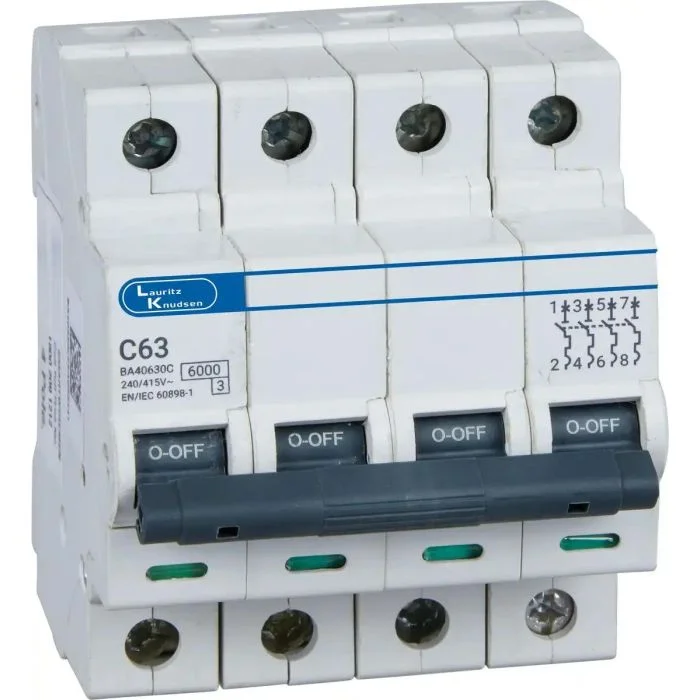
An mcb miniature circuit breaker is an automatically operated electrical switch designed to protect circuits from damage caused by excess current. Unlike traditional fuses that need replacement after a fault, an MCB can be reset manually once the issue is resolved.
It works using two primary mechanisms:
- Thermal protection for overload conditions
- Magnetic protection for short circuits
When excessive current flows through a circuit, the internal mechanism trips, cutting off the power supply instantly. This prevents overheating, fire hazards, and damage to connected devices.
The reliability, durability, and ease of operation of an mcb miniature circuit breaker make it an indispensable component in distribution boards across homes, offices, factories, and commercial complexes.
Importance of Circuit Protection in Modern Systems
Electrical circuits are constantly exposed to fluctuations due to varying load demands, faulty appliances, environmental conditions, or wiring issues. Without adequate protection, these fluctuations can lead to:
- Equipment damage
- Electrical fires
- Operational downtime
- Costly repairs
- Safety hazards
Installing a properly rated MCB ensures that the system disconnects automatically when abnormal current levels are detected. This proactive approach minimizes risks and enhances overall system reliability.
Understanding MCB Ratings
MCBs are available in different current ratings to suit various applications. Common ratings include 6A, 10A, 16A, 32A, 40A, and higher capacities such as 63A.
The current rating determines the maximum load the breaker can handle before tripping. Selecting the correct rating depends on:
- Total connected load
- Type of equipment
- Phase configuration
- Wiring capacity
- Safety regulations
Choosing an undersized breaker may cause frequent nuisance tripping, while an oversized one may fail to provide adequate protection.
This is where understanding the role of a 63 amp mcb becomes essential.
What Is a 63 Amp MCB?
A 63 amp mcb is a high-capacity circuit breaker designed to protect circuits carrying up to 63 amperes of current. It is typically used in systems with substantial load requirements, such as commercial establishments, industrial units, and large residential properties.
The 63 amp rating makes it suitable for:
- Main distribution boards
- Sub-main circuits
- Heavy machinery
- Large HVAC systems
- High-capacity lighting installations
Its robust design ensures consistent performance even under demanding conditions.
When Should You Choose a 63 Amp MCB?
Selecting a 63 amp MCB depends on the electrical load and application requirements. Below are scenarios where it is commonly used:
1. High-Power Residential Installations
Modern homes with multiple air conditioners, water heaters, ovens, and smart appliances often require higher load management. A 63 amp mcb can serve as a main breaker to manage the overall load safely.
2. Commercial Buildings
Office spaces, shopping complexes, and hotels typically operate heavy lighting systems, elevators, HVAC units, and computer networks. These applications require higher-capacity protection to ensure smooth operation.
3. Industrial Applications
Factories and production facilities often use motors, compressors, and machinery with substantial power requirements. A 63 amp mcb ensures safe power distribution and protects equipment from overloads.
4. Sub-Main Distribution Boards
In larger buildings, sub-distribution boards supply power to different sections. A 63 amp mcb is commonly used to manage these sub-circuits effectively.
Key Benefits of Using a 63 Amp MCB
1. Enhanced Safety
The primary purpose of an mcb miniature circuit breaker is safety. A 63 amp mcb provides reliable protection against overloads and short circuits, significantly reducing fire risks.
2. High Load Handling Capacity
With its 63A rating, it supports heavy electrical loads without compromising protection.
3. Durability
Designed for demanding environments, these breakers offer long service life and consistent performance.
4. Resettable Functionality
Unlike fuses, MCBs can be reset easily after resolving the fault, minimizing downtime.
5. Compact Design
Despite their high capacity, modern MCBs are compact and fit seamlessly into distribution boards.
Types of MCB Tripping Characteristics
MCBs are also classified based on tripping curves, which define how quickly they respond to overcurrent conditions. Common types include:
- Type B: Suitable for residential and light commercial use
- Type C: Ideal for moderate inductive loads like motors
- Type D: Designed for heavy industrial applications
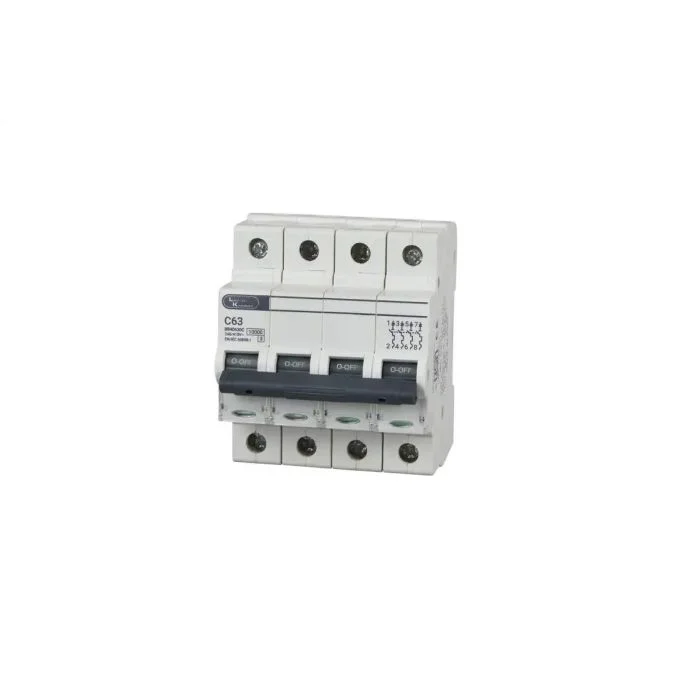
When selecting a 63 amp mcb, understanding the appropriate tripping curve ensures optimal performance.
Installation Considerations
Proper installation of an mcb miniature circuit breaker is critical for safety and efficiency.
Key Points to Consider:
- Ensure correct wiring connections
- Verify compatibility with distribution boards
- Follow electrical standards and codes
- Use appropriate cable sizes
- Engage qualified electricians
Incorrect installation may compromise protection and pose safety risks.
Maintenance and Inspection
Although MCBs are designed for durability, periodic inspection ensures optimal performance.
- Check for signs of overheating
- Ensure secure connections
- Test tripping mechanisms occasionally
- Replace damaged or aged units
Routine maintenance enhances reliability and extends service life.
MCB vs Fuse: Why MCB Is the Better Choice
Traditional fuses provide basic protection but must be replaced after every fault. In contrast, an mcb miniature circuit breaker offers:
- Reusability
- Faster response
- Consistent performance
- Greater safety
- Easier troubleshooting
These advantages make MCBs the preferred choice in modern electrical systems.
Energy Efficiency and System Stability
A well-selected 63 amp mcb contributes to energy efficiency by preventing power wastage due to faults. It ensures stable current flow and protects against voltage instability.
By maintaining balanced distribution, it supports the optimal performance of connected appliances and machinery.
Future Trends in Circuit Protection
As electrical systems evolve, circuit protection devices are becoming smarter and more integrated. Emerging advancements include:
- Smart MCBs with remote monitoring
- Integration with IoT systems
- Real-time fault detection
- Enhanced arc fault protection
These innovations aim to improve safety, predictive maintenance, and energy management.
The 63 amp mcb continues to remain relevant due to its adaptability and high-load compatibility.
Common Mistakes to Avoid
When selecting or installing a 63 amp MCB, avoid the following:
- Choosing incorrect current ratings
- Ignoring cable capacity
- Overlooking tripping curve requirements
- Using substandard products
- Skipping professional installation
Making informed decisions ensures long-term safety and operational efficiency.
Conclusion
The mcb miniature circuit breaker plays a vital role in protecting modern electrical systems from overloads and short circuits. As power demands increase across residential, commercial, and industrial sectors, selecting the right rating becomes essential. The 63 amp mcb is particularly suited for high-load applications, offering robust protection, durability, and reliability.
From safeguarding main distribution boards to supporting heavy machinery and commercial installations, its importance cannot be overstated. Proper selection, installation, and maintenance ensure optimal performance and long-term safety.
For reliable and high-quality circuit protection solutions, Lauritz Knudsen Electrical and Automation provides advanced electrical products designed to meet evolving power management needs. With a focus on safety, innovation, and durability, they support secure and efficient electrical infrastructure for modern applications.

