


Power networks across Ireland keep shifting – factories spread out, towns stretch wider, cleaner electricity flows into everyday supply. Hidden inside these changes sits something vital few notice – the transformer. It manages electric pressure, keeps current moving without waste, guards circuits when surges strike unexpectedly. Most never see it working, yet everything runs differently because it is there.
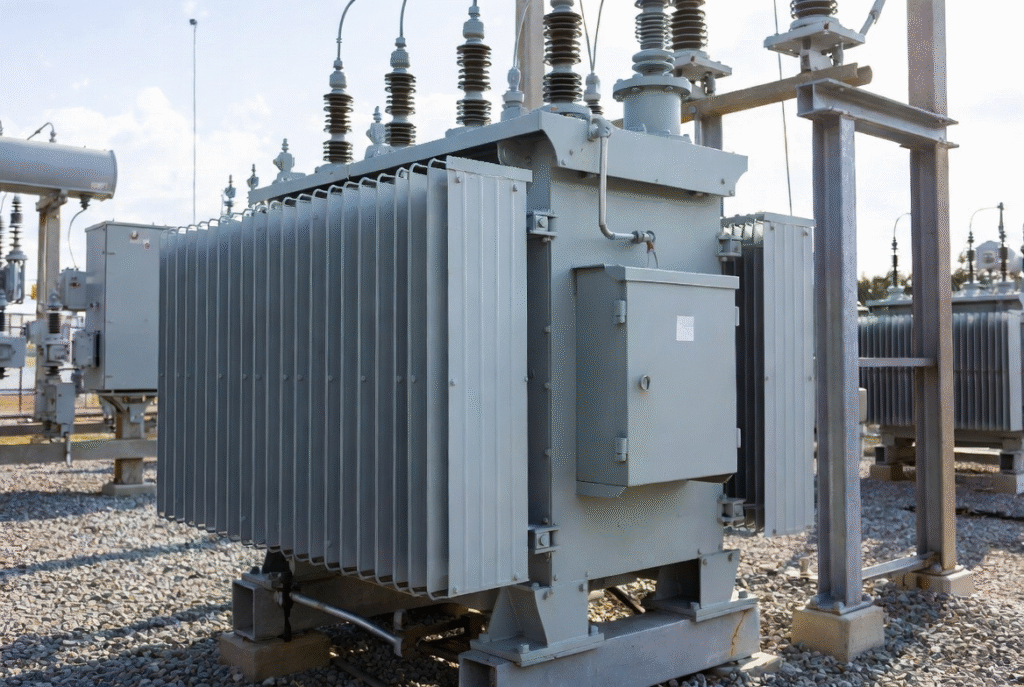
Transformers and Ireland’s Power Systems
From power plants to cities, energy covers vast stretches. What allows this flow isn’t magic – it’s careful control of electrical pressure. Voltage shifts happen thanks to devices that step it up or down. Without these adjustments, sending power far would be messy, risky, even impossible. These tools sit quietly at substations, doing their job without noise or fuss. They ensure what leaves the plant arrives usable where needed.
Heavy currents travel easier when pushed by big machines that boost electric pressure across Ireland’s grid. When power nears homes, those same machines lower the push so wires won’t overheat. Lose them, and wasted energy piles up fast – gear burns out just as quickly.
A dependable transformers manufacturing company for Ireland plays a key role in meeting these technical demands.Factories shape units ready for city grids just as much as distant lines. Weather changes? No problem – these systems push through rain, heat, dust alike. Built strong, they run without stopping where power is needed most.
Because makers grasp how Ireland runs its power network and future targets, their transformers help move electricity smoothly while strengthening systems over time.
The Rising Need for Powerful Energy Solutions
Fueled by tech advances, more people living here, also a rise in factory work, Ireland needs ever more power. When it comes to data hubs, production sites, even shifting vehicles to electric, steady electrical supply becomes essential.
Because of this shift, those designing systems now favor gear built to last while using less power. What makes these advanced units stand out is how they cut down wasted electricity, hold steady under load changes, yet keep people protected during daily use. These parts play a quiet but vital role inside large-scale electrical setups.
Right now, heavy-duty units from Power transformers Ireland start to matter most. When it comes to moving electricity across long distances, these big models manage intense voltages – forming the core of how entire countries share power.
Manufacturing Standards for Reliable Power Grids
Far beyond just putting together parts, building transformers demands precision. Following tight rules isn’t optional – designs need exact details. Tests come next, every time, without skipping steps. Materials? They have to match specs down to the smallest point. Safety hides in those specifics. Reliability shows up only when nothing is guessed.
Equipment built by transformer makers in Ireland needs to follow both local power network rules and global electric codes. Because voltage shifts, heat changes, and extended use are common, units have to stay reliable under stress. Meeting these requirements means lasting performance even when conditions get tough.
Transmission Transformers Help Big Energy Projects Across the Country
Big construction jobs need heavy-duty transformers. From power stations to wind farms, these units move vast amounts of electricity nationwide. What keeps grids running often starts with a single large transformer humming steadily at a substation. Across long distances, voltage must stay stable – this is where robust equipment proves essential. Without them, sending power from remote generation spots would fail. Even solar fields far from cities depend on their strength. Moving energy efficiently means using machines built for extreme demands. One weak link might slow everything down. These components bear the weight of entire supply chains. Their role? Quiet but nonstop.
When it comes to offshore wind farms, energy links between regions, or big industrial sites, stronger transformers become essential. Not every power setup handles such heavy demands – these do. Built tough because conditions out at sea or near massive plants push limits hard. Reliability isn’t just preferred here – it becomes non-negotiable. Even minor hiccups can ripple through entire systems. So design choices lean toward resilience first, always.
When conditions shift, power transformers across Ireland keep working steadily despite uneven supply from green energy. Built tough, they rely on smart cooling plus long-lasting insulation that resists heat and intense current. Their structure handles stress without failing under pressure.
Transformer design adjusted for renewable energy use
Facing strong Atlantic winds, Ireland pushes forward with bold clean energy targets. Because wind doesn’t blow steadily, linking it to the main electricity network creates fresh engineering hurdles. Just keeping voltage steady becomes harder when supply swings without warning. Still, progress continues despite these shifting demands on infrastructure.
Frequent shifts in renewable generation come from changing weather. So transformers face uneven demands – yet still keep voltage steady.
A shift in how power moves means any new transformer maker in Ireland needs gear ready to adjust. Flexibility drives engineers toward designs that bend rather than break under shifting loads. Better insulation shows up next – quiet but vital beneath the surface. Sensors keep watch nonstop, feeding data before issues grow. Each piece adapts, not just reacts, shaping a system alive to its own rhythm.
When sudden shifts happen in energy production, new tools give grid managers better control. Voltage swings become less likely because of smarter oversight. Instead of struggling with fluctuations, systems adapt faster. During fast transitions, stability improves through updated methods.
Nowadays, transformer systems keep changing because more countries are tying renewables into their power plans. Power networks adapt as green sources play bigger roles in how electricity moves across regions.
Durability and long operational life matter
A single transformer can keep working for decades, often lasting between thirty and forty years. Because of this lifespan, toughness matters most when designing them.
From deep inside, choices about what to build with come down to how well things handle heat, dampness, strong currents. Lasting power flow hides behind layers designed not to wear out even under heavy force.
Most transformers last longer when checked regularly. Because sensors spot tiny changes over time, crews can fix small problems long before anything breaks down.
Modern transformer production through engineering innovation
Fresh approaches shape how transformers are built today. With smarter materials in play, machines run more reliably over time. Digital tools track changes while work progresses, keeping results consistent. Crafted with tight control, each piece meets tougher standards than before.
Starting off strong, a transformers builder based in Ireland puts fresh ideas first – boosting how well things run while keeping them steady. Inside each unit, tiny digital detectors track heat, power flow, insulation health without delay. These readings pop up instantly, giving clear insight into what’s happening under strain.
With these insights, grid operators keep track of how transformers are doing while catching problems early. Because of that, fixes happen before failures, cutting delays and making systems run smoother.
Fine-tuned inside layers cut down wasted power when moving electricity, backing up how Ireland aims to use less energy overall.
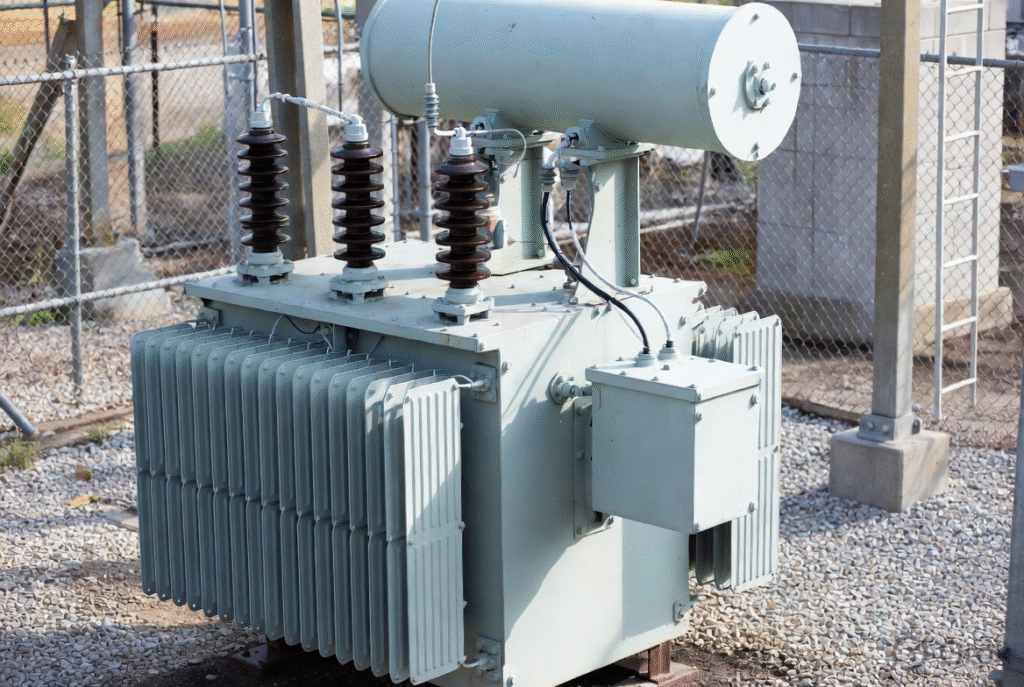
Helping Ireland Grow Its Energy Supply
Fueled by growing wind farms, Ireland’s power system keeps shifting under new pressures. When sunlight and turbines deliver more juice, the network must keep pace without stumbling. Heavy loads call for hardware that won’t quit mid-storm or melt in summer spikes. Lines stretching across counties depend on gear built to last through chaos and calm alike.
Because of this, those who design systems tend to choose strong transformers built to handle large loads. These choices help keep power flowing without breaks.
When needed, power transformers in Ireland handle the job of moving electricity over great distances without losing steady performance. Instead of short jumps, they link varied energy outputs together, spreading power smoothly from one area to another.
Conclusion
Power flows through Ireland thanks to machines that handle voltage shifts without frequent hiccups. When wind farms feed into the system, or factories draw more juice, these units quietly adjust to keep things moving. Stability across regions links back to how well each device manages load changes day after day. Energy moves step by step – from high-voltage lines down to homes – only because these components act as steady gatekeepers. Without them matching supply needs constantly, blackouts would hit harder and spread faster. Every flick of a switch traces its reliability to hardware working behind the scenes silently. Renewables rise in share, cities grow busier, yet lights stay on mainly due to unsung performance beneath substations.
Years go by without issues when solid build quality meets smart engineering. Because systems change over time, making transformers that last becomes more critical. Tough materials matter just as much as clever solutions inside. When demands shift, performance stays steady only if craftsmanship keeps pace.
Focusing on how things run, keeping operations secure, while weaving in new tech ideas – makers of transformers play a key role in Ireland’s ability to maintain steady power plus long-term environmental balance.
Frequently Asked Questions
What does a transformer do in an electrical power system?
A power unit shifts electrical pressure to help energy move smoothly across lines that carry it far and wide. When traveling far, the push gets stronger; near where people need it, the force drops gently. Homes, shops, workplaces – all receive a safer level once the system scales it down.
Why are transformers important for renewable energy projects?
When wind or sunlight shift, power output changes too. Because of this, keeping voltage steady matters a lot. Electricity from renewables must match grid needs precisely. That is where transformers come in – quietly adjusting levels behind the scenes. Without them, surges could disrupt supply. Even small mismatches risk instability across transmission lines. So each time clouds pass or winds drop, equipment works harder. Voltage control becomes essential under changing conditions. Grid operators rely on consistent performance despite nature’s unpredictability.
Power transformers usually run for decades before needing replacement.
Few machines last like a well-kept transformer – three decades easily, sometimes four. Watch it closely, fix things before they break, life stretches further.
What factors determine transformer reliability?
From day one, how well a transformer works ties closely to the care taken in making it. Insulation that holds up over time helps keep things running without surprise stops. Cooling methods matter just as much, especially under heavy loads. Getting it set right when putting it in place avoids early issues. Over months and years, regular checkups make sure small problems do not grow. Materials built strong from the start reduce stress later on. Even after assembly, checking each unit fully adds confidence before it powers anything.

