


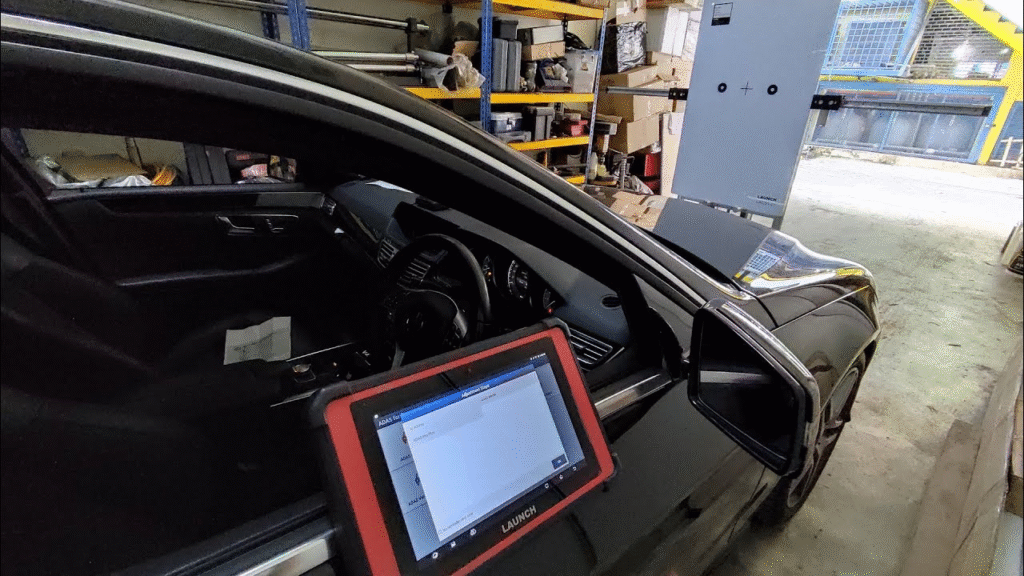
Modern vehicles rely on more than glass to maintain safety. Windshields contribute to roof support, airbag deployment, and overall cabin stability. During replacement, small misalignments can compromise driver-assistance systems. Cameras mounted near the windshield require ADAS camera calibration to function correctly, and even minor deviations in positioning may cause system warnings. Proper installation preserves the structural integrity of the vehicle while maintaining the accuracy of electronic safety features, ensuring protection in collision scenarios. Professional replacement is essential for safety-critical systems.
The Windshield’s Role in Vehicle Safety
The windshield acts as a structural component that strengthens the roof, stabilizes the cabin, and guides airbag deployment. In rollovers, the windshield supports the roof and prevents collapse, reducing injury risks. Airbags rely on a rigid windshield to deploy in a controlled manner. The glass also retains passengers during high-impact collisions and contributes to the overall balance of the vehicle cabin. Improper installation can weaken these protections, increasing the chances of injury. Maintaining the original alignment and integrity of the windshield is vital for the safety systems to function as designed.
Safety Systems Connected to the Windshield
Modern vehicles integrate multiple sensors and cameras into the windshield area. Forward collision warning, lane departure alerts, automatic emergency braking, traffic sign recognition, and rain or light sensors all depend on precise alignment. Misplaced sensors can reduce performance, trigger warnings, or create errors. Cameras need accurate positioning to detect lanes and obstacles. Rain and light sensors must align to read environmental conditions correctly. Any deviation affects system response, which can compromise safety. Proper installation and calibration maintain operational reliability and prevent malfunctions that could affect both driver and passenger protection.
Why Precision During Replacement Matters
Windshield replacement requires exact measurements and correct positioning. Adhesive curing, millimeter-level glass placement, and camera bracket alignment directly affect sensor angles and performance. OEM-quality glass maintains optical clarity, while low-quality replacements may distort camera vision. Incorrect positioning can trigger warning lights, false alerts, or system failure. Precision prevents operational errors in forward collision, lane-keeping, and automatic braking systems. Certified technicians follow manufacturer procedures to maintain alignment and adhesive integrity. Every detail, from bracket position to adhesive application, influences how safety systems respond in real-world driving conditions.
Common Problems After Improper Windshield Installation
- Driver assistance warnings appearing on the dashboard
- Lane-keeping systems reacting late or incorrectly
- Automatic braking is activating unexpectedly
- Distorted camera vision in poor weather
- Reduced sensor accuracy at night
Misaligned sensors or improperly installed glass can cause these issues. Dash warnings may appear even when systems are intact. Lane departure alerts may react too late or fail to respond. Automatic braking can trigger without reason, creating safety hazards. Distorted vision reduces the effectiveness of cameras in rain, fog, or low-light conditions. Nighttime sensor readings may be inaccurate. Each problem compromises the vehicle’s ability to protect occupants, highlighting the need for correct installation and calibration.
How Calibration Restores Safety System Accuracy
Calibration returns sensor and camera performance to factory specifications. Static calibration uses fixed targets to adjust alignment while the vehicle remains stationary. Dynamic calibration requires driving under specific conditions to fine-tune sensor response. Manufacturers set model-specific requirements to maintain system accuracy. Calibration ensures that forward collision warning, lane departure, and automatic braking systems function correctly. Proper recalibration prevents false alerts, unresponsive safety systems, and potential accidents. Technicians follow precise steps to verify alignment and confirm that all sensors communicate accurately with the vehicle’s electronic control units, preserving safety functionality.
Choosing Qualified Technicians for Windshield Replacement
Certified technicians are trained to handle sensor-sensitive installations. Proper tools reduce alignment errors, and following manufacturer procedures protects both structural and electronic safety. Low-cost or inexperienced services may skip critical steps, causing misalignment, sensor failure, or adhesive problems. Professionals verify that the windshield meets safety standards and conduct required calibration. Technician experience directly impacts system reliability and long-term performance. Following proper installation processes maintains both safety and vehicle value. Accurate installation and calibration prevent repeated repairs, false alerts, and compromised vehicle protection, keeping drivers and passengers safe in all scenarios.
Long-Term Safety Benefits of Correct Replacement
Correct windshield replacement preserves structural integrity and ensures sensors and cameras operate as designed. Proper installation maintains roof support, airbag function, and passenger retention during collisions. Recalibrated safety systems respond accurately to road hazards, minimizing the risk of accidents. Manufacturer procedures maintain adhesive strength, optical clarity, and bracket alignment. Vehicles with properly installed windshields retain original safety performance for years. Treating windshield replacement as a safety-critical task protects occupants and reduces future repair costs. Accurate installation reinforces both mechanical and electronic systems, providing consistent safety during everyday driving.
Conclusion
Windshield replacement directly affects both structural strength and advanced safety systems within modern vehicles. Accurate installation maintains roof support, airbag performance, and passenger protection during collisions. Proper alignment of sensors and cameras allows driver-assistance systems to respond correctly to road conditions. Calibration restores system accuracy and prevents operational errors that could compromise safety. Professional service, correct materials, and precise procedures protect long-term vehicle performance. Treating windshield replacement as a critical safety task helps maintain reliability, reduces risks, and supports consistent protection for drivers and passengers in daily driving conditions.

