


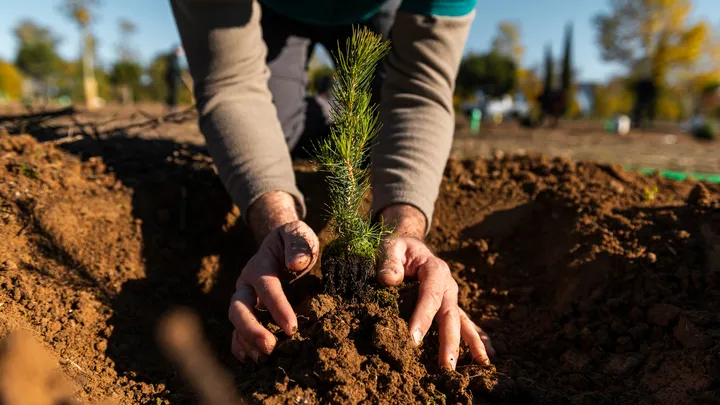
Conservation efforts hold strong importance for communities facing environmental pressure, economic strain, and social change. A Florida Environmental Nonprofit Organization often works as a bridge between natural protection and community development. These organizations protect forests, water systems, and wildlife while supporting local livelihoods. Community health connects directly with environmental quality, making its role central to long-term stability. Conservation work also supports responsible resource use, which helps maintain a balance between human activity and natural systems across different regions.
Conservation Groups and Their Mission
Conservation groups focus on protecting ecosystems, restoring damaged habitats, and supporting responsible resource use. Their mission centers on biodiversity protection, environmental stability, and public awareness efforts. Organizations operate at local, national, and international levels, each contributing through targeted projects. Cooperation with local authorities, schools, and community leaders helps align environmental work with public needs. Field activities often cover habitat restoration, wildlife monitoring, and waste control programs. These efforts build structured systems that support both environmental health and community progress.
Environmental Benefits for Local Communities
Healthy surroundings create direct benefits for communities. Conservation work improves air quality, water safety, and soil strength through restoration activities. Forest restoration projects help reduce erosion and support rainfall balance. Wildlife protection keeps ecosystems stable, which supports agriculture and fishing industries. Pollution control efforts reduce health risks linked to contaminated water and air. Natural resource protection also strengthens food security and reduces environmental hazards. These improvements create safer living conditions and support long-term ecological balance for surrounding populations.
Economic Impact and Job Creation
Conservation activities generate steady income opportunities for local populations. Eco-tourism brings visitors who support hotels, transport services, and small businesses. Field projects create jobs in wildlife monitoring, park maintenance, and environmental research. Training programs develop skills that help individuals work in sustainability sectors. Local markets benefit from increased activity linked to conservation projects. Financial stability improves when communities receive consistent employment from environmental initiatives. This economic structure supports long-term growth while maintaining responsible use of natural resources.
Education and Community Awareness
Environmental awareness programs play a strong role in shaping responsible behavior. Conservation groups organize workshops, school sessions, and public outreach activities to share knowledge about resource protection. Community members gain practical information about waste reduction, water conservation, and sustainable farming methods. Educational programs build awareness about the connection between human actions and environmental condition. Knowledge sharing strengthens responsibility toward natural resources. Awareness efforts also support long-term behavioral change that benefits both current and future community generations.
Social Empowerment and Community Engagement
Community participation remains a strong factor in conservation success. Local residents often take part in planning, fieldwork, and monitoring activities. This involvement builds trust between organizations and communities. Shared responsibility strengthens unity and encourages collective action. Community input improves project design and increases relevance to local conditions. Leadership roles within conservation programs provide residents with decision-making experience. Social bonds grow stronger through joint efforts, creating a cooperative environment that supports both environmental protection and community development goals.
Challenges Faced by Conservation Groups
Conservation organizations face several difficulties during project execution. Limited funding restricts the scale of environmental programs. Policy delays slow down implementation in certain regions. Conflicts arise between development projects and environmental priorities. Public resistance can occur where awareness remains low. Climate variability creates uncertainty in long-term planning. Resource shortages also affect field operations. These challenges require consistent planning, clear communication, and strong partnerships with local communities to maintain progress in environmental protection work.
Real-Life Examples of Community Impact
Conservation projects across different regions show measurable improvements in community conditions. Reforestation work restores degraded land and supports agriculture. Clean water initiatives reduce health problems linked to unsafe water sources. Wildlife protection programs support biodiversity recovery in damaged ecosystems. Eco-tourism projects improve local income and strengthen small business growth. Community-led conservation areas show strong results through shared responsibility. These examples highlight practical outcomes from environmental action and demonstrate how structured programs support both nature and human well-being.
How Individuals Can Support Conservation Efforts
Community members hold an important role in supporting environmental programs. Participation in local clean-up drives and tree planting activities strengthens project reach. Responsible waste disposal reduces environmental pressure on land and water systems. Support for eco-friendly products encourages sustainable markets. Donations to conservation projects help maintain long-term programs. Public involvement in awareness campaigns increases knowledge across communities. Small daily actions contribute to broader environmental protection goals. Collective participation improves overall effectiveness of conservation initiatives.
Conclusion
Conservation groups hold a significant place in community development by protecting natural systems and supporting local progress. Environmental stability connects directly with public health, economic strength, and social harmony. Their work creates cleaner surroundings, job opportunities, and stronger community relationships. Continued cooperation between organizations and residents supports long-term sustainability. Balanced interaction between human activity and nature remains essential for stable growth. Conservation efforts build a foundation that supports both present needs and future community well-being.
FAQs
What role do conservation groups play in communities?
They protect natural resources, support local economies, and promote responsible environmental practices that improve living conditions.
How do conservation programs support local economies?
They create jobs, support tourism, and help small businesses grow through environmental projects and sustainable activities.
Why is community participation important in conservation work?
Local involvement improves project effectiveness and builds stronger responsibility toward environmental protection.
What challenges affect conservation efforts?
Funding limits, policy delays, public resistance, and climate changes often slow down project progress.
How can individuals contribute to conservation work?
Participation in local projects, responsible resource use, donations, and awareness activities support environmental goals.

