


Platelets play a crucial role in the human body by helping blood clot and preventing excessive bleeding. When someone undergoes chemotherapy, major surgery, or suffers from a serious injury, their platelet count can drop to dangerously low levels. In such situations, timely transfusions can make the difference between life and death. This is why many people actively search for platelets donation near you, hoping to contribute to this vital cause. Unlike whole blood, platelets must be used quickly, which makes consistent donations incredibly important for hospitals and patients alike.
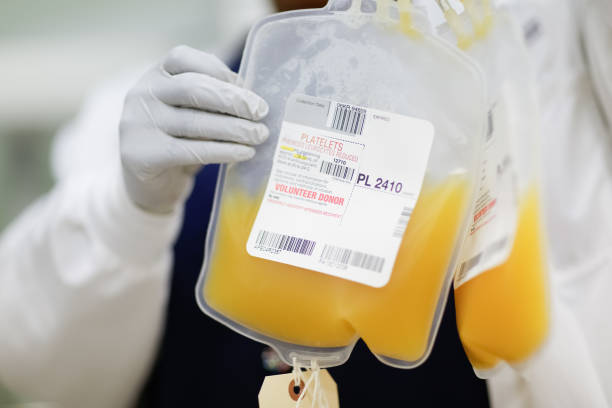
Platelet Donation Has Greater Impact Than Realized
Giving platelets means real help reaches people fighting cancer, long-term sickness, or serious injuries. Because these cells last just about five days, fresh supplies are always required. One visit can aid several individuals, since what’s gathered usually gets separated into smaller portions. Choosing to give nearby turns an ordinary decision into something far deeper. That move ties you to an ongoing effort keeping others alive when they need it most.
The Unique Way Platelets Are Donated
Giving platelets isn’t like giving blood the usual way. A device pulls out just the platelets, sending the rest of the blood back into you. Because of that setup, people can donate more often than with full-blood gifts. It takes extra time, true – still, nearly everyone finds it manageable. Some say it feels meaningful once they look up “platelet donation near me” and go ahead, knowing exactly who might benefit.
Getting Ready to Give Your Body
Water matters more than people think when donating. Try drinking plenty early – it keeps things steady inside you later on. Sleep helps too, especially if it comes easy the evening prior. Rest sets a quiet rhythm for what follows next morning. Food choices count just as much behind the scenes. Iron-heavy plates – think beans, greens, meat – do solid work quietly. Nutrients tucked into real meals build strength without noise. Picture this: knowing what to eat before giving blood actually makes a difference. Leafy greens show up strong, boosting stamina when it counts. Fruits step in with natural fuel, keeping things steady. Protein-packed dishes do their part by supporting key elements in your bloodstream. Each bite plays a role when the moment comes.
The Emotional Payoff From Supporting Other People
Something shifts inside when a person gives, deeper than just showing up. That quiet pride from helping another human being sticks around longer than most good deeds manage. Curiosity brings folks to search for places offering platelets donation nearby, yet many return simply because it feels right. A single contribution carries weight – silent, unseen, keeping life steady for those waiting desperately. Hope shows up in small bags, tied to strangers who may never meet.
Myths People Believe About Donating Platelets
Hesitation creeps in when myths shape views on donation. Painful? Unsafe? These ideas float around, even though they rarely match truth. Qualifications feel out of reach for some, like needing something rare or extreme. Yet plenty of ordinary, healthy adults qualify without issue. Show up, meet standard checks, and you might be ready to give. Trained staff watch every step, keeping things steady and secure. Safety isn’t added – it’s built in from the start. Truths laid bare tend to draw folks in. When prep lines up with knowing what meals help before giving blood, calm follows. Confidence grows when details click into place.
building a habit of giving
Every single donation counts more than you might think. These cells vanish fast – so showing up often keeps hope alive in hospitals. A pattern forms quietly, slotting into your days like any small act done again and again. At first someone just looks up where to give platelets nearby, then one trip leads to another. What builds slowly isn’t just inventory on a shelf – it’s lifelines stacked day by day.
Nutrition Helps Improve Donation Comfort
Most people overlook how food shapes their readiness to give blood. Still, what you eat matters just as much after giving. A meal built with care replaces what your body loses, without fuss. Choices like spinach, oranges, or chicken do quiet work behind the scenes. These items lift iron levels, boost absorption, and maintain strength. Knowledge shifts habits – simple plates become tools. Each bite aligns with purpose, quietly aiding someone else’s tomorrow.
The Bigger Picture A Simple Act With a Powerful Impact
One person giving platelets may feel minor. Yet the ripple spreads wider than it first appears. Every single contribution feeds into a web of support around people in fragile times. People who search for places nearby to give are stepping into a group effort. That collective motion keeps critical therapies within reach. The quiet work adds up where it matters.
Conclusion
Giving platelets might be among the strongest things someone can do right now to support another person. Not only does it show care, but also commitment – brought together through real steps anyone can take. With thoughtful preparation, daily health habits, and awareness of how vital each session is, results add up quietly over time. Starting with something like checking which meals help before blood donations, or simply looking into local centers, movement grows without fanfare. Lives shift because of that choice – sometimes seen, often unseen – pulling more people in just by happening.
FAQs
1. Platelet Donation Frequency?
Most people give platelets again after just a couple of weeks, though it depends on how they feel and what the rules say nearby.
2. Is platelet donation safe?
Fine health checks run throughout, handled by staff who know every step. Safety comes first, each move watched with care.
3. What should I eat before donating platelets?
Meals packed with nutrients matter – think iron, proteins, vitamins. When it comes to donating, water keeps things running without hiccups.
4. How long does platelet donation take?
Besides taking a bit more time – about ninety minutes to two hours – it goes further than giving blood the usual way. While standard donations wrap up quicker, this one stretches out just enough to make a deeper difference.

