


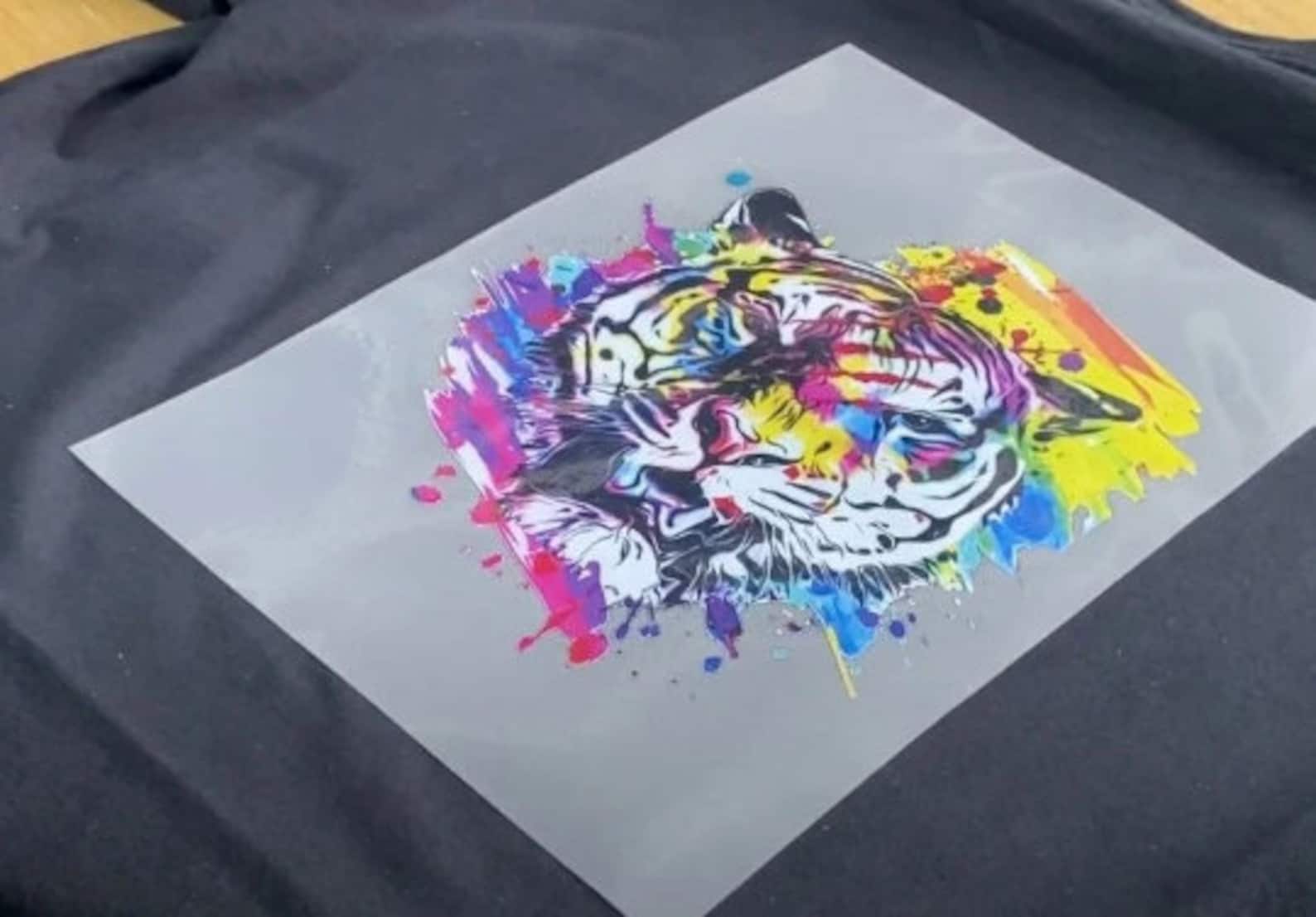
DTF transfers have become a reliable method for apparel printing due to strong color output, flexible texture, and long-lasting adhesion on fabrics. This printing technique supports detailed graphics on t-shirts, hoodies, uniforms, and promotional clothing. Businesses and individuals prefer it for consistent visual quality across repeated washes. The durability of DTF prints depends on application quality, fabric type, and washing habits. Custom DTF Transfers Apparel is widely chosen for producing long-lasting printed garments that maintain quality over time. Properly applied designs remain intact for a long period without cracking or peeling, helping extend garment lifespan effectively.
DTF Transfer Printing Process
DTF (Direct-to-Film) printing involves printing artwork on a special film using pigment-based inks. A fine adhesive powder is applied to the wet ink, followed by heat curing. The design is then transferred onto fabric using a heat press. This process creates a strong bond between ink and fibers, allowing flexibility and durability. Unlike traditional methods, DTF supports complex color gradients and fine detailing. The adhesive layer ensures the design stays attached even after multiple wash cycles without losing structure or clarity.
Why DTF Transfers Last After Washing
Strong adhesion between ink and fabric fibers plays a major role in wash resistance. The ink layer remains flexible, allowing natural fabric movement without damage. Heat-activated adhesive bonds firmly during pressing, locking the design into the material. High-quality pigment inks resist fading caused by detergents and water exposure. The print structure avoids thick plastic layers, reducing the risk of cracking. These combined factors allow DTF transfers to maintain appearance and durability even after repeated washing under normal care conditions.
Average Lifespan of DTF Transfers After Washing
DTF printed shirts generally last between 50 to 100 washes depending on quality and maintenance. Premium applications often maintain strong color and structure for up to three years of regular use. Mid-range prints may last between one and two years with moderate wear. Lower-quality applications may show early fading or lifting within a shorter period. Washing frequency, detergent strength, and drying methods significantly influence longevity. Proper maintenance practices help preserve print quality across extended use cycles.
Fabric Role in Print Durability
Fabric type influences how well DTF prints hold after washing. Cotton provides strong adhesion due to its natural fibers, allowing better ink absorption. Polyester blends offer durability but may require precise heat settings during application. Stretch fabrics demand flexible ink layers to avoid cracking during movement. Smooth textile surfaces help maintain sharper designs over time. Rough or heavily textured materials may reduce print clarity. Selecting suitable fabric ensures stronger bonding and longer-lasting visual performance of printed garments.
Printing Quality and Application Factors
Heat press settings directly affect durability of DTF transfers. Correct temperature ensures proper melting of adhesive powder into fabric fibers. Uneven pressure may lead to weak bonding and early peeling. Ink quality also plays a critical role in color retention and wash resistance. High-grade pigment inks provide better stability under repeated washing. Proper curing of adhesive powder strengthens the final bond. Poor application techniques reduce lifespan significantly, making quality control essential in professional printing production environments.
Washing Techniques for Longer Print Life
Gentle washing methods help extend the lifespan of DTF printed shirts. Cold water protects ink structure and reduces fading risk. Mild detergents prevent chemical damage to printed surfaces. Turning shirts inside out reduces friction between print and other garments. Hand washing offers additional protection for high-detail designs. Avoiding heavy wash cycles helps maintain adhesion strength. Separating printed clothing from rough fabrics also reduces wear. Consistent care practices preserve both color brightness and print integrity over time.
Drying and Ironing Care for DTF Prints
Air drying helps maintain print stability and prevents heat-related damage. High-temperature dryers may weaken adhesive bonds over time. Direct sunlight exposure can contribute to gradual fading of colors. Ironing directly on printed areas may cause surface distortion or melting. Using a protective cloth layer during ironing reduces risk of damage. Low-heat settings provide safer care for garments with detailed prints. Proper drying and ironing habits significantly contribute to long-term durability of DTF printed apparel.
Signs of Wear After Repeated Washing
Gradual wear may appear after extended use of printed shirts. Color fading is often the first noticeable change in heavily washed garments. Edge lifting can occur in areas exposed to constant friction. Fine details may lose sharpness after multiple wash cycles. Surface texture may soften over time due to fabric movement. These changes develop slowly when quality prints are used. Strong application methods and proper care reduce visible wear, maintaining overall appearance for longer periods.
Business Value of Durable DTF Printing
Durable DTF prints provide strong value for apparel businesses. Long-lasting designs improve customer satisfaction and reduce replacement costs. Consistent quality builds brand trust in custom clothing markets. Retailers benefit from reduced return rates due to print failure. High durability supports bulk production for uniforms, merchandise, and promotional items. Reliable wash resistance increases product lifespan, making it a cost-effective printing solution. Strong visual retention also improves brand visibility through repeated garment use in daily environments.
Conclusion
DTF transfers deliver strong durability and long-lasting performance when applied correctly and maintained with proper care. Their lifespan depends on print quality, fabric selection, and washing habits. With suitable maintenance, printed shirts can maintain vibrant colors and clear designs for years. Gentle washing, proper drying, and correct application techniques play a major role in extending print life. This printing method continues to be a reliable choice for both personal apparel and business branding needs.

