


Mathematics is one of the most important subjects for building logical thinking and problem-solving skills in children. In Class 3, students begin learning more advanced concepts such as multiplication, division, fractions, measurement, and geometry. At this stage, the right study materials can make learning easier and more enjoyable.
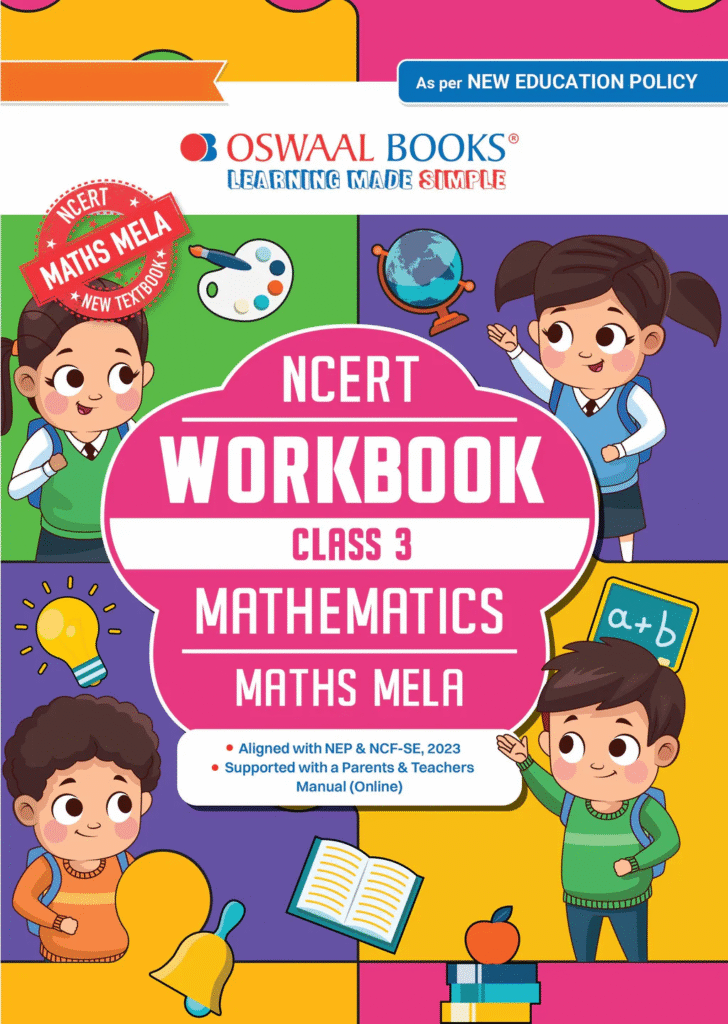
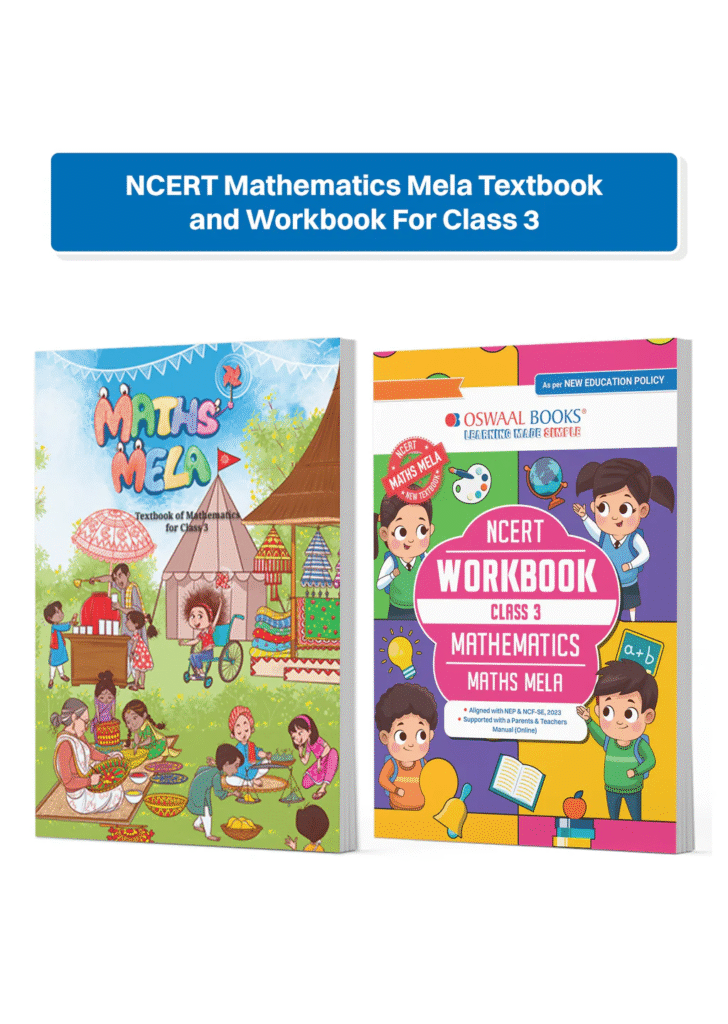
A well-structured class 3rd maths book CBSE helps students understand concepts clearly through examples and interactive exercises. Similarly, a thoughtfully designed maths workbook for class 3 encourages regular practice and improves confidence. With engaging activities and step-by-step explanations, children can develop strong mathematical skills from an early age.
Importance of Maths Learning in Class 3
Class 3 is an important stage in a child’s academic journey because it builds the foundation for higher-level mathematics. Children start moving beyond simple addition and subtraction to more detailed numerical operations and practical applications.
Learning maths at this level helps students improve reasoning abilities and analytical thinking. It also strengthens concentration and accuracy. When children understand concepts properly during their early years, they become more confident while solving complex problems in later classes.
Features of a Good CBSE Maths Book
Simple and Clear Explanations
Children understand concepts better when lessons are explained in simple language. A good maths book should break down difficult topics into smaller, manageable steps.
Activity-Based Learning
Interactive exercises make maths enjoyable for young learners. Activities such as puzzles, games, and visual problems encourage participation and reduce fear of calculations.
Colourful Illustrations and Examples
Visual learning helps children understand mathematical concepts quickly. Diagrams, charts, and colourful examples make lessons more engaging and memorable.
Practice-Oriented Approach
Regular practice is essential in mathematics. Books that include sufficient exercises after every chapter help students strengthen their understanding and improve speed.
Gradual Progression of Difficulty
The exercises should move from easy to advanced levels gradually. This method boosts confidence and encourages independent learning.
Topics Covered in Class 3 Maths Books
A comprehensive class 3rd maths book CBSE generally covers all major concepts prescribed in the CBSE curriculum. These topics help students build strong numerical and logical abilities.
Addition and Subtraction
Children learn multi-digit addition and subtraction using different methods and practical examples.
Multiplication and Division
Basic multiplication tables and division concepts are introduced with word problems and activities for better understanding.
Fractions
Students learn simple fractions through visual representations and relatable examples.
Measurement
Measurement concepts such as length, weight, and capacity help children understand practical applications of maths in daily life.
Time and Money
These chapters improve problem-solving skills by teaching children how to read clocks and perform money calculations.
Shapes and Geometry
Basic geometry introduces children to shapes, patterns, and spatial understanding through fun visual exercises.
Benefits of Interactive Maths Learning
Makes Learning Fun
Interactive learning methods transform mathematics from a difficult subject into an enjoyable activity. Games, puzzles, and visual exercises maintain student interest.
Improves Logical Thinking
Mathematics teaches children how to analyse problems systematically and arrive at solutions logically.
Enhances Concentration
Regular problem-solving activities improve focus and attention span in children.
Builds Confidence
When children solve problems successfully, they gain confidence in their abilities and become more willing to attempt challenging questions.
Encourages Independent Learning
Interactive books and workbooks motivate students to practise on their own without constant supervision.
Effective Strategies to Help Children Learn Maths Better
Encourage Daily Practice
Consistent practice is the key to success in mathematics. Short daily practice sessions are more effective than studying for long hours occasionally.
Use Real-Life Examples
Parents and teachers can explain maths concepts using real-life situations such as shopping, measuring objects, or calculating time.
Focus on Concept Clarity
Memorising formulas without understanding concepts can create confusion later. Children should first understand the logic behind every topic.
Appreciate Effort and Progress
Positive encouragement motivates children to keep practising. Celebrating small achievements builds confidence and interest in learning.
Avoid Fear of Mistakes
Children should be encouraged to learn from mistakes instead of fearing them. A stress-free environment improves learning outcomes significantly.
How CBSE Maths Books Support Exam Preparation
A well-organised class 3rd maths book CBSE not only improves conceptual understanding but also prepares students for school assessments effectively. Chapter-wise exercises and revision questions help students become familiar with different problem types.
Practice-based learning improves time management during exams. Students who solve worksheets regularly become faster and more accurate while answering questions. This reduces exam anxiety and increases confidence.
Additionally, books designed according to the CBSE curriculum ensure that children learn concepts systematically and remain aligned with classroom teaching.
Choosing the Right Maths Workbook for Better Learning
Selecting the right workbook is important because every child learns differently. Parents should choose books that balance theory, practice, and interactive learning.
A good maths workbook for class 3 should include:
- Step-by-step explanations
- Chapter-wise exercises
- Fun activities and puzzles
- Word problems for logical thinking
- Revision worksheets
- Simple and child-friendly language
Books with engaging content encourage children to practise more regularly, which leads to stronger mathematical understanding over time.
Role of Parents and Teachers in Maths Learning
Parents and teachers play a major role in shaping a child’s attitude toward mathematics. Supportive guidance can help children overcome fear and develop confidence in problem-solving.
Teachers can make maths interesting by using visual aids, storytelling methods, and classroom activities. Parents can support learning at home by creating a regular study routine and encouraging interactive practice sessions.
Open communication and patience are important because every child learns at a different pace. Positive reinforcement helps children stay motivated throughout the learning process.
Conclusion
Mathematics becomes easier and more enjoyable when children learn through interactive methods, regular practice, and concept-based exercises. The right study materials can help students develop strong analytical and problem-solving skills from an early stage. A thoughtfully designed maths workbook for class 3 improves confidence, accuracy, and learning consistency through engaging activities and structured exercises.
Similarly, a well-prepared class 3rd maths book CBSE supports both classroom learning and exam preparation effectively. Parents and teachers should choose resources that encourage curiosity and independent thinking. For quality educational support and innovative learning materials, Oswaal Books remains a trusted choice for young learners.
Read More – Best English Practice Workbook Ideas for Class 1 Students

