


We all love soaking up the warm sunshine on a lazy weekend outdoors. Catching those golden rays feels fantastic. Australians naturally love the beach. We must stay mindful of our changing bodies, though. Visiting a skin check clinic in Huntingdale helps a doctor look for early signs of trouble. The survival rate for melanoma changes drastically depending on when these issues are actually found. Catching things early means a much better outcome. Early-stage issues often just look like normal, everyday moles. This makes them incredibly difficult to spot. Artificial intelligence is now stepping in to change the medical game entirely.
The Mechanics of AI in Catching Cancer Early
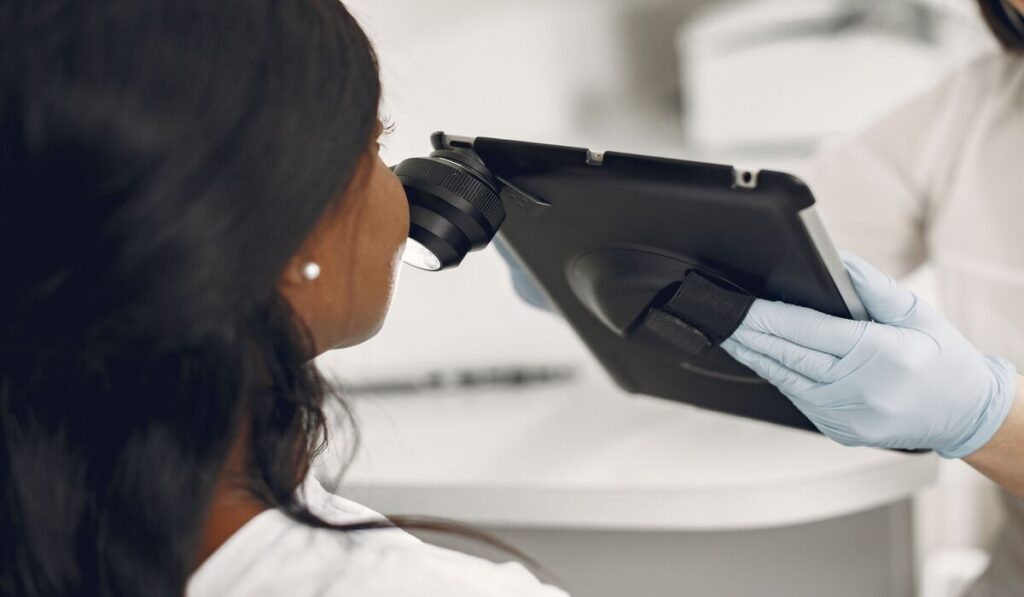
- Data-driven pattern recognition
Understanding how this technology works might seem complicated. It’s mostly pattern recognition from data. Developers train these artificial intelligence algorithms on massive databases. These databases hold millions of images showing healthy skin and developing cancers. - Microscopic analysis
Machine learning then identifies the earliest visual markers of concern at a microscopic pixel level. The system might notice asymmetrical growth. It spots subtle colour variations that usually escape human notice. It also picks up irregular border formations that hint at early cellular changes. - Beyond human capability
Human doctors are brilliant. But they get tired. A busy clinician might occasionally miss a newly forming spot. AI consistently analyses these micro features without human fatigue. It offers constant objectivity. It provides a powerful safety net beyond normal human capability.
Total Body Mapping: Creating a Baseline for Early Detection
- The traditional challenge
Remembering the exact size and shape of every single mole is virtually impossible. Doctors face this exact same traditional challenge when you visit them year after year. This is why you might seek out a bulk-build GP in Huntingdale for regular checks. Human memory is simply not built to track tiny changes across a whole body over long periods. - The AI solution
The AI solution to this memory problem is called total body photography. Special high-resolution cameras take incredibly detailed images of your entire skin surface. The process is completely painless and relatively quick. This creates a highly accurate baseline for future comparison. The computer remembers everything perfectly. - Automated tracking
Automated tracking then takes over during your next visit. The AI instantly compares your current images to the baseline pictures from previous years. It specifically highlights any brand-new lesions that might have appeared. It also flags millimetre-level changes in existing moles. These tiny shifts often indicate early cancer development. Catching these microscopic changes stops a serious problem before it truly begins. The technology entirely removes the guesswork for both you and your doctor.
Enhancing Clinic Workflows for Immediate Intervention
- Algorithmic risk scoring
Clinics in the modern world are extremely busy places. Doctors have to see many patients in one day and provide them with proper and quick diagnoses. Thanks to artificial intelligence, such pressure can be easily handled through risk scoring algorithms. Within seconds after a doctor looks at a mole, the software provides a probability score. - Reducing false negatives
This real-time analysis dramatically helps in reducing false negatives. Even highly subtle early-stage cancers are flagged for immediate biopsy rather than being dismissed as nothing. Doctors are perhaps less likely to ignore a slightly odd spot when the computer highlights a hidden risk. - Minimising unnecessary procedures
Minimising unnecessary procedures is another huge benefit that we often overlook. The sheer precision of these modern systems prevents doctors from unnecessarily cutting out completely harmless, benign moles. Patients waiting in the reception area might chat about other popular skin services. Some people just want to know the difference between dermal fillers and anti-wrinkle injections while they wait. The primary medical focus always remains on health, though. Streamlining this workflow means that high-risk patients get immediate specialist review.
Conclusion:
This is indeed an enormous shift in how skin health can be managed. In terms of the advantages of collaboration, this becomes obvious. The AI is not meant to take the place of the doctor. It simply means to increase the inherent capacity of the doctor to detect skin problems in their initial stage. The clinic is gradually shifting from a reactive space to a very proactive one where the earliest cellular detection is performed. This is a very big shift with major implications for public health care. The combination of human and machine learning would mean that many lives would be saved in the process.

