


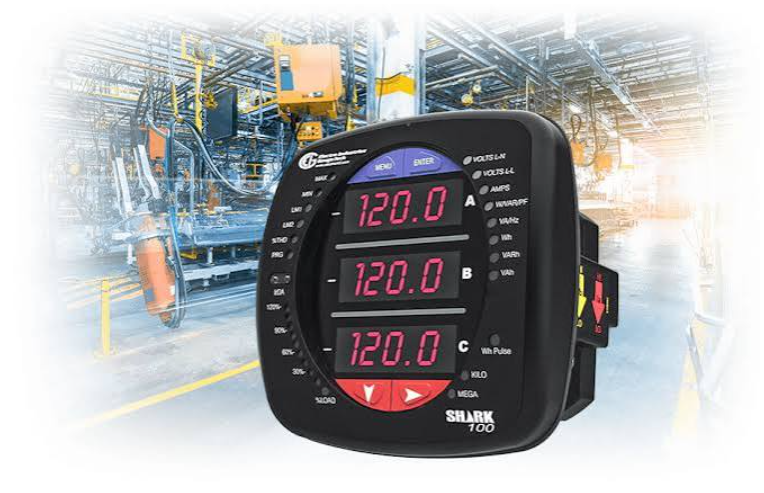
Efficient energy management is essential for organizations looking to reduce operating costs, improve equipment performance, and maintain reliable electrical systems. As facilities become more dependent on connected equipment and digital infrastructure, having real-time visibility into electrical performance is no longer optional. A Power Meter provides accurate measurements of electrical parameters, enabling facility managers to monitor energy consumption, detect abnormalities, and optimize system performance. When integrated with an EIG energy monitoring solution, organizations gain deeper insights that support smarter operational decisions and long-term reliability.
What Is a Power Meter?
A Power Meter is an electronic device that measures and monitors electrical parameters within a power distribution system. It provides real-time data that helps organizations understand how electricity is being consumed and how their electrical infrastructure is performing.
A power meter can measure:
- Voltage
- Current
- Active power
- Reactive power
- Apparent power
- Energy consumption
- Frequency
- Power factor
These measurements provide valuable information for improving energy efficiency and maintaining system health.
Why Energy Monitoring Matters
Modern commercial and industrial facilities rely on stable electrical systems to support continuous operations. Without accurate monitoring, small electrical issues can go unnoticed until they result in equipment failures or costly downtime.
Effective energy monitoring helps organizations:
- Reduce unnecessary energy consumption
- Detect equipment issues early
- Improve electrical reliability
- Support preventive maintenance
- Optimize operational efficiency
- Lower operating costs
Real-time visibility allows facility teams to respond proactively instead of reacting after problems occur.
How a Power Meter Improves Energy Monitoring
Installing a Power Meter provides continuous access to critical electrical data that supports informed decision-making.
Real-Time Performance Monitoring
Power meters continuously monitor electrical conditions throughout the facility.
This enables operators to:
- Track energy usage
- Monitor equipment loads
- Identify abnormal operating conditions
- Detect voltage fluctuations
- Monitor power quality
Real-time information supports faster corrective action.
Accurate Energy Measurement
Detailed consumption data allows organizations to identify where electricity is being used and where efficiency improvements can be made.
This helps:
- Reduce energy waste
- Allocate costs accurately
- Improve budgeting
- Support sustainability initiatives
Load Management
Monitoring electrical loads helps prevent overloaded circuits and supports better distribution of electrical demand across the system.
Balanced loading contributes to improved equipment performance and longer asset life.
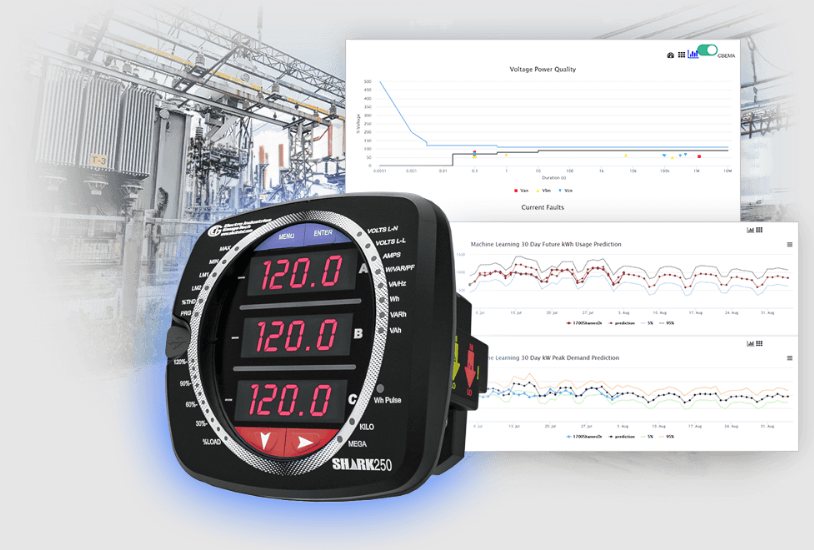
Improving System Reliability Through Continuous Monitoring
Reliable electrical systems depend on early detection of potential problems.
Power monitoring supports reliability by identifying:
- Voltage imbalance
- Harmonic distortion
- Unexpected load increases
- Equipment overload
- Power interruptions
- Poor power factor
Addressing these issues early reduces the likelihood of unexpected failures and production downtime.
The Role of EIG in Energy Intelligence
Modern facilities require more than individual measurements. An EIG energy monitoring solution combines advanced hardware, intelligent software, and analytics to provide a comprehensive view of electrical system performance.
By integrating data from multiple power meters, organizations can:
- Centralize monitoring
- Analyze historical trends
- Generate automated reports
- Receive real-time alerts
- Improve operational visibility
- Support data-driven maintenance planning
This integrated approach transforms raw electrical data into actionable intelligence.
Applications Across Multiple Industries
Power monitoring solutions support a wide variety of industries.
Manufacturing
Manufacturers use power meters to monitor production equipment, optimize energy consumption, and reduce unexpected downtime.
Commercial Buildings
Facility managers monitor electrical systems to improve energy efficiency across:
- Office buildings
- Shopping centers
- Hotels
- Educational institutions
Data Centers
Continuous monitoring helps maintain stable electrical conditions for critical IT infrastructure.
Power quality monitoring minimizes the risk of service interruptions.
Healthcare Facilities
Hospitals rely on dependable electrical systems to support sensitive medical equipment and patient care.
Power monitoring helps maintain continuous operation.
Utilities and Infrastructure
Utilities use advanced monitoring solutions to improve grid visibility, optimize energy distribution, and enhance service reliability.
Key Features to Consider
Selecting the right power monitoring solution involves evaluating several important capabilities.
High Measurement Accuracy
Accurate readings are essential for reliable analysis and operational decision-making.
Real-Time Data Access
Immediate visibility enables faster identification of abnormal electrical conditions.
Advanced Reporting
Automated reports simplify energy management and compliance documentation.
Scalability
Choose solutions that can expand as facilities grow or operational requirements change.
Communication Capabilities
Integration with building management systems and energy management platforms improves overall operational efficiency.
Best Practices for Effective Energy Monitoring
Organizations can maximize the value of power monitoring by following these recommendations:
- Install meters at critical distribution points.
- Monitor energy usage continuously.
- Review historical trends regularly.
- Set alerts for abnormal electrical conditions.
- Perform routine equipment inspections.
- Use analytics to support preventive maintenance.
Consistent monitoring helps improve both efficiency and system reliability.
Future Trends in Power Monitoring
Energy management technology continues to evolve rapidly.
Emerging trends include:
- Artificial intelligence-driven analytics
- Predictive maintenance
- Cloud-based monitoring platforms
- Remote asset management
- Automated fault detection
- Advanced power quality analysis
These innovations enable organizations to improve operational performance while supporting sustainability goals.
Conclusion
A Power Meter is an essential tool for improving energy monitoring, optimizing electrical performance, and maintaining reliable operations across commercial and industrial facilities. By providing accurate, real-time electrical data, power meters help organizations identify inefficiencies, reduce downtime, and make informed operational decisions. When integrated with an EIG energy monitoring solution, businesses gain deeper visibility into system performance and actionable insights that support long-term reliability and efficiency. Electro Industries/GaugeTech continues to deliver integrated Energy and Power Quality Monitoring Solutions that combine advanced technology, artificial intelligence, and deep industry expertise to help organizations improve reliability, efficiency, and sustainability.

