


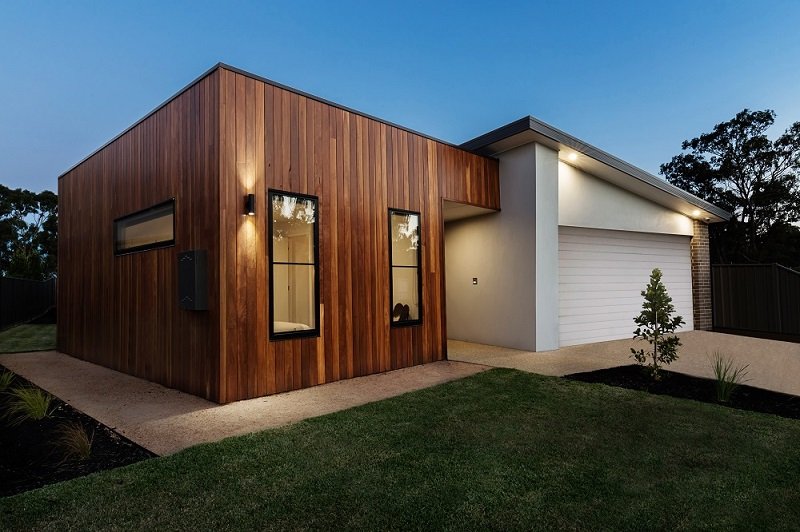
A home’s exterior plays a big role in how it looks, how it holds up, and also the general architectural personality. Picking the right external cladding can help shape a distinctive face of the building, and at the same time add an extra layer between the house and all the outdoor conditions. Architectural cladding Melbourne options are on offer across lots of materials, profiles, colours, and textures, so homeowners and designers have more room to move when they are putting together modern residential properties.
Enhance Residential Exterior Design
Architectural cladding can basically change the whole vibe of a home. Clean lines, contemporary profiles, and carefully chosen finishes can do this in a way that feels right with the property’s architectural style, and not just “covering” it up.
Cladding can be put over the full façade, or it can be used kind of selective on feature walls, upper levels, entrances, extensions and other architectural bits too. By pairing cladding with timber, brick, concrete, stone or even glass, the residential design ends up having more depth and that extra visual interest, and overall, the outcome looks a bit more balanced.
Durable Protection for Melbourne Homes
Residential properties get hit by changing weather all year, like rain, wind, sunlight, and that temperature up and downs, little by little. Over time this can slowly mess with external building surfaces. A properly chosen and professionally installed cladding system, can add an extra protective layer to the building envelope, so it’s not just sitting there taking everything head on.
Picking the right cladding material is key, but it’s not one-size-fits-all. It should be matched to the property’s location, its architectural needs, the level of exposure outside and the general wall setup. With proper guidance, homeowners can get a clearer idea of which cladding options may actually fit their specific project.
Versatile Cladding Options
Modern architectural cladding is kind of offered in a lot of styles, and it’s not always just one look. Homeowners can usually pick metal panels, standing seam profiles, textured finishes, plus horizontal or vertical arrangements, and then there are other contemporary designs too.
Also, installation patterns matter, because they can make the overall look feel like totally different thing. For example, vertical cladding tends to underline the height of a home, while horizontal profiles can give a wider visual impression. And sometimes it’s the same materials and the same colors just arranged, set in a different way and suddenly the whole facade looks almost brand new. And feature cladding, is often used around entrances or certain sections, to form an architectural focal point, which is kind of the main visual pull.
Suitable for New Homes and Renovations
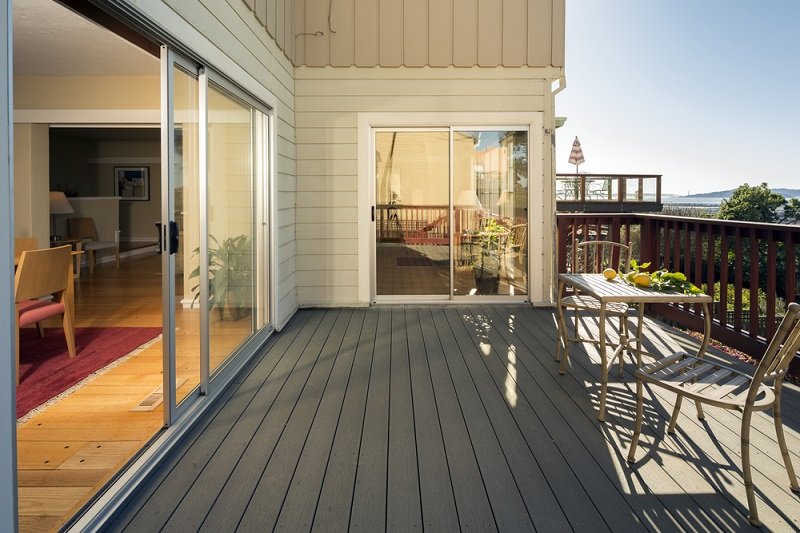
Architectural cladding can be rolled into new residential construction and also used for renovation work. For a newly built home, cladding can be treated as part of the overall façade design from the start, really.
During renovations it gives a chance to refresh an ageing exterior, and bring in a more modern look, yes. It may even be employed to support extensions and additions, so the new sections blend in properly with the existing property.
Improve Curb Appeal
A carefully designed exterior can make a pretty strong first impression, and yeah, it matters more than people think. Architectural cladding gives homeowners a kind of flexible way to bring in colors, surface feel, pattern, and that more modern finishing touch on the property’s façade.
Picking a finish that matches the roof, window frames, doors, the garden set up, and the nearby material mix helps the whole exterior look connected, like nothing is random. With professional installation, the end result can look even better too, since panels and those architectural details are positioned properly, and lined up just right, not sort of off by a bit.
Practical and Manageable Maintenance
Maintenance needs for architectural cladding kind of depend on the material type, the finish level, how it was actually installed, and also the nearby setting like moisture and air quality. A lot of today’s cladding systems can be handled by routine inspections and straightforward cleaning, nothing too dramatic.
Homeowners should check the outside faces regularly for grime and damage, corrosion, loose parts, or other obvious, little issues you can see. Also, sticking to the manufacturer’s cleaning and upkeep directions helps keep the cladding system’s look, and its day-to-day performance intact, for longer.
Professional Cladding Installation
Quality materials have to be installed in a correct way, otherwise you don’t really get the dependable result you expect. You need accurate measurements, and then suitable fixings, appropriate joints, flashing, plus proper drainage details, and also make sure it matches, or is compatible with the existing wall system those points matter during the installation process a lot.
The more experienced architectural cladding professionals can look at the property, sort of take it in, then work according to the chosen system, and the architectural design that was selected. When it is installed properly it can help create a neat appearance, while also supporting the long-term performance of the building envelope.
Choose Reliable Architectural Cladding Melbourne
Picking architectural cladding is a big decision, especially for homeowners who are starting a new build or doing an exterior renovation. If it’s chosen right, it can bring that sleek, modern look and also give practical protection plus long-term functionality, without needing too much attention later on.
Because there’s such a broad selection of profiles, materials, and finishes out there, architectural cladding Melbourne can be adjusted for different home styles and each project’s own needs. When homeowners select the right material, think through the façade layout, and use skilled installers, they end up with an exterior that looks good and holds up well, for many years to come.

