


Ordering the all-rounder packaging material which are the removal boxes is usually the first thing people think about when planning a move and often the only thing right up until packing day, when it becomes clear that a stack of identical boxes doesn’t actually cover everything sitting around the house. A successful move requires various types of packaging, and knowing which item belongs in which category distinguishes a smooth packing day from one spent improvising with whatever’s closest.
Removal Boxes: The Foundation of Any Move
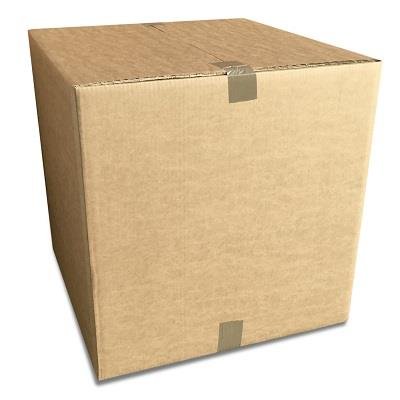
Removal boxes are the backbone of almost every house move, and getting this part right starts with understanding that “removal box” isn’t one single product.
Matching Strength to What’s Going Inside
Single wall removal cardboard boxes suit lighter, bulkier belongings, while double wall boxes are built for anything heavier or more fragile, including books, kitchenware, and anything likely to sit underneath other boxes during transit or storage. The mistake most people make is buying one strength for the entire move, when the right approach is to match strength to weight, room by room.
Sizing for Real World Packing
Removal cardboard boxes come in a genuine range of sizes precisely because a single size forces awkward compromises, such as either too much wasted space around lighter items or overstuffed boxes that become too heavy to lift safely. Having two or three sizes on hand, rather than one, makes the actual packing process considerably faster.
Golf Club Boxes: Solving the Shape Problem, Not Just the Size Problem
Every move eventually turns up something that doesn’t fit into a standard box regardless of which size is chosen, and golf clubs are one of the clearest, most common examples.
Why Standard Boxes Fail Here
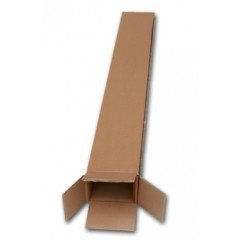
A regular box is either too short to hold clubs properly, forcing them in at an angle with wasted space around them, or oversized to the point of wasting van space that’s genuinely valuable on moving day. Neither outcome protects the clubs well, nor makes efficient use of the packaging itself.
What Makes a Dedicated Box the Better Choice
Golf club boxes, built as tall and narrow single wall fluted cardboard boxes, are shaped specifically for this problem and suited to golf clubs, umbrellas, cricket bats, and anything else long, thin, and genuinely awkward in standard sizing. Choosing the right shape here, rather than the right size, is the actual decision that matters.
Plastic Carrier Bags: A Category Often Overlooked
Removal cardboard boxes and specialist boxes cover almost everything, but nearly every move concludes with a collection of loose items that don’t warrant their box: shoes hastily pulled from a cupboard, toiletries from a bathroom cabinet, and miscellaneous items that were never intended to be packed until the very end.
Why Bags Solve a Problem Boxes Don’t
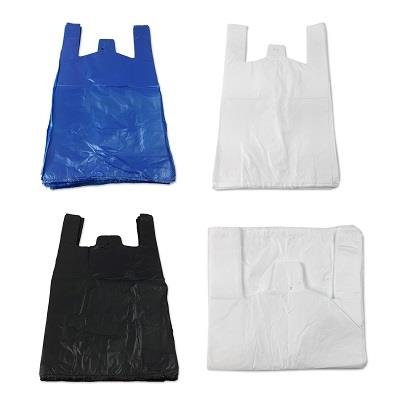
Plastic carrier bags are genuinely the right tool for this specific moment, as they are fast to fill, easy to carry in bulk, and suited to items that don’t need structural protection so much as they need to be gathered quickly and moved. Trying to find or assemble a proper box for every small, last-minute item wastes time a move rarely has to spare in its final hours.
Choosing the Right Strength
Not every carrier bag needs to be the same grade. Heavier items benefit from a sturdier bag, while lighter items are fine in a standard grade. By having a mix of bag strengths available, you can apply the same logic used for removal boxes to prevent bags from splitting under the weight they were not designed to hold.
Building a Packing Plan That Actually Matches the Move
The households that pack most efficiently are not those that purchased the most materials; rather, they are the ones that determined, before packing day began, which category each item actually belonged to.
A Simple Way to Sort Before You Start
Walk through the house and sort belongings into three groups: general items suited to standard removal cardboard boxes, awkwardly shaped items needing a specialist box like a golf club box, and loose last-minute items better suited to a carrier bag than a box nobody has time to assemble properly. This ten-minute exercise prevents most of the scrambling that turns moving day into something harder than it needs to be.
Sourcing It All from One Place
Once the plan is clear, sourcing everything from a single, established supplier of packaging that UK households already trust tends to be simpler and more cost-effective than piecing an order together from several different sellers; this approach is particularly useful if a shortfall is discovered mid-pack and something needs to arrive quickly. Households already trust tend to be simpler and more cost-effective than piecing an order together from several different sellers, which is particularly useful if a shortfall is discovered mid-pack and something needs to arrive quickly rather than being an afterthought ordered too late.
Summing Up
To sum up, a move goes wrong less often because of missing boxes and more often because every item was assumed to need the same kind of packaging. Different types of packaging materials address specific issues such as general volume, awkward shapes, and last-minute speed; planning for all these in advance, instead of discovering the gaps on packing day, is what truly ensures a smooth move from start to finish.

