


Electric vehicles are becoming an increasingly practical choice for daily transportation, creating a growing need for convenient and accessible charging infrastructure. Charging is no longer limited to public locations, as drivers can also charge vehicles at homes, workplaces, commercial properties, and dedicated charging hubs. A home ev charging station can make everyday charging more convenient, while an electric car charging station franchise can create opportunities to expand charging access across different locations. Understanding their different use cases can help EV owners, businesses, property managers, and entrepreneurs plan charging infrastructure according to their specific requirements.
Convenient Charging at Home
One of the simplest applications of EV infrastructure is charging a vehicle at home. For people who use their electric car regularly, having a dedicated charging point can make daily charging much easier.
A home ev charging station allows an EV owner to charge the vehicle while it is parked, often overnight or during other periods when the car is not being used.
Common advantages include:
- Convenient charging without visiting a public station
- Easy integration into daily routines
- Charging while the vehicle is parked
- Greater control over charging schedules
- Reduced dependence on nearby public infrastructure
For many EV owners, home charging can become a regular part of their routine, much like charging a phone overnight.
Supporting Daily Commuting
People who use EVs for commuting often follow predictable travel patterns. They may leave home in the morning, travel to work, and return in the evening.
This makes residential charging particularly useful because the vehicle can be charged during periods when it is not needed.
For example:
- The vehicle returns home after work.
- The owner connects it to the charger.
- Charging takes place while the vehicle remains parked.
- The vehicle is ready for the next day’s journey.
This simple routine can reduce the need to make separate trips specifically for charging.
Supporting Apartment and Housing Communities
Not every EV owner lives in an independent house. Apartment buildings and residential communities also need practical charging arrangements as EV adoption grows.
Property managers can consider shared charging infrastructure for residents. This may involve designated parking spaces, multiple charging points, and systems for managing access.
Important considerations can include:
- Number of residents with EVs
- Available electrical capacity
- Parking arrangements
- Charging schedules
- Installation requirements
- Future demand
Planning early can help residential communities prepare for increasing EV ownership.
Charging at Workplaces
Workplaces can also become useful charging locations. Employees may leave their vehicles parked for several hours during working hours, providing enough time for charging.
Employers and commercial property managers can consider charging facilities as part of workplace infrastructure.
Potential benefits include:
1. Employee Convenience
Workers can charge their vehicles while they are at work.
2. Longer Parking Periods
Vehicles often remain parked for several hours, creating a practical charging opportunity.
3. Workplace Sustainability
Charging infrastructure can support broader efforts to encourage electric mobility.
4. Visitor Support
Charging facilities can also be useful for customers, clients, or visitors who drive EVs.
Supporting Commercial Properties
Shopping centers, hotels, offices, restaurants, and other commercial properties can use charging infrastructure to provide an additional service to visitors.
The basic idea is simple: people can charge their vehicles while they are already using the property.
For example, a customer visiting a commercial location for an extended period may be able to charge the vehicle during that visit.
This creates a practical connection between EV charging and everyday activities.
Creating Public Charging Networks
While home and workplace charging can cover many regular trips, public charging infrastructure remains important for longer journeys and people without convenient residential charging.
Public charging locations can be established in areas such as:
- High-traffic roads
- Parking facilities
- Commercial zones
- Travel routes
- Urban centers
- Transport hubs
A wider network can make EV ownership more practical by giving drivers additional options when they are away from home.
Creating Business Opportunities Through Charging Franchises
As demand for EV charging infrastructure grows, entrepreneurs may explore opportunities to operate charging locations.
An electric car charging station franchise can provide a structured way for an entrepreneur to enter the charging infrastructure sector, depending on the business model, location, investment requirements, and applicable agreements.
A potential franchise setup may involve:
- Selecting an appropriate location.
- Assessing local EV demand.
- Evaluating electricity availability.
- Installing charging equipment.
- Managing day-to-day operations.
- Maintaining the charging infrastructure.
- Monitoring usage and performance.
The exact requirements can vary depending on the charging network and business arrangement.
Using Charging Stations at High-Traffic Locations
Location is one of the most important factors in charging infrastructure. A station placed where EV drivers naturally stop can potentially receive more usage than one in an inconvenient location.
Potential locations include:
1. Highways
Useful for drivers making longer journeys.
2. Commercial Areas
Drivers can charge while shopping or completing other activities.
3. Office Districts
Useful for employees and business visitors.
4. Residential Areas
Can support people who do not have convenient private charging.
5. Parking Facilities
Longer parking periods can provide an opportunity for charging.
Careful location planning can improve accessibility and utilization.
Supporting Long-Distance Travel
One challenge for EV drivers is planning longer journeys around available charging points. A well-connected charging network can make such travel easier.
Public charging stations can provide drivers with opportunities to recharge along their routes rather than depending entirely on charging at their starting point.
This is particularly important for:
- Intercity travel
- Highway journeys
- Business travel
- Tourism
- Commercial transportation
Reliable charging availability can contribute to greater confidence among EV drivers.
Supporting Fleet Operations
Businesses operating multiple electric vehicles may have different charging requirements from individual EV owners.
Delivery vehicles, service vehicles, company cars, and other fleet vehicles may follow planned schedules. Charging infrastructure can therefore be organized around vehicle usage.
Fleet managers can consider:
- Number of vehicles
- Daily travel distances
- Return times
- Charging duration
- Available parking
- Electricity capacity
- Vehicle schedules
A well-planned charging system can help keep vehicles ready for their next assignments.
Managing Charging Demand
As more EVs use charging infrastructure, managing electricity demand becomes increasingly important. Multiple vehicles charging simultaneously can create higher demand on electrical systems.
Charging management can help distribute charging activity according to available capacity and operational requirements.
For example, charging can potentially be scheduled based on:
- Vehicle departure time.
- Required battery level.
- Available electrical capacity.
- Number of connected vehicles.
- Charging priorities.
This can make better use of available infrastructure and reduce unnecessary demand peaks.
Expanding Charging Infrastructure Through Franchising
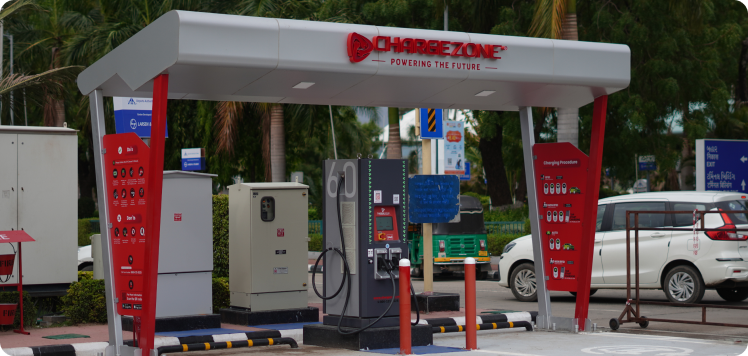
For entrepreneurs, an electric car charging station franchise can represent a potential way to participate in the expanding EV infrastructure market.
However, opening a charging location requires more than installing chargers. Entrepreneurs need to evaluate the complete business model.
Key areas to assess:
Location: Is the site convenient and accessible to EV drivers?
Demand: Are enough EVs likely to use the location?
Electricity: Does the site have adequate electrical capacity?
Investment: What are the installation and operating costs?
Maintenance: How will equipment be maintained?
Operations: Who will manage customer support and station availability?
Careful evaluation can help entrepreneurs understand the practical requirements before making an investment.
Supporting EV Adoption
Charging availability can influence people’s willingness to consider an electric vehicle. Potential buyers may hesitate if they believe charging will be difficult or inconvenient.
Expanding charging infrastructure can help address this concern by providing more charging choices.
Residential, workplace, commercial, and public charging can each serve different needs.
Together, these options can create a more complete charging ecosystem where drivers have multiple ways to keep their vehicles powered.
Making Home Charging More Efficient
Residential charging can also benefit from thoughtful planning. Before installation, homeowners should consider where the charger will be placed and whether the existing electrical infrastructure can support it.
Important considerations include:
- Parking location
- Cable accessibility
- Electrical capacity
- Charging requirements
- Installation safety
- Future EV ownership plans
These factors can help ensure that the charging setup is practical for everyday use.
Supporting the Future of Electric Mobility
EV charging infrastructure will likely become increasingly important as electric vehicle adoption expands. The infrastructure needs to support different types of users, from individuals charging overnight to businesses operating larger vehicle fleets.
A home ev charging station can provide convenient residential charging, while public charging networks can support drivers during longer journeys. Businesses can also explore charging infrastructure as an additional service or investment opportunity.
The key is to build charging infrastructure around real user needs rather than treating every location in the same way.
Choosing the Right Charging Approach
There is no single charging model that works for everyone. An EV owner may need residential charging, while a fleet operator may require several chargers at a dedicated facility. Similarly, an entrepreneur may need to evaluate whether a public charging location has enough demand to support a viable business.
Before choosing an approach, consider:
- Charging frequency
- Vehicle usage
- Available parking
- Electricity capacity
- Installation requirements
- Location accessibility
- Expected future demand
- Operating and maintenance needs
Understanding these factors can help individuals and businesses make more practical infrastructure decisions.
Conclusion
Electric vehicle charging infrastructure has many uses, from making everyday residential charging convenient to supporting workplaces, commercial properties, public travel, and fleet operations. A home ev charging station can simplify regular charging, while an electric car charging station franchise can offer entrepreneurs a structured opportunity to participate in the expanding EV infrastructure market. ChargeZone focuses on building a connected EV charging network supported by charging technology and data and software capabilities. As electric mobility continues to grow, accessible and well-planned charging infrastructure can play an important role in making EV transportation more convenient, practical, and scalable.

