


We will walk you through everything you need to know about keeping your roof in top shape. You’ll discover the most common roofing repairs problems affecting Glen Iris homes, learn how to spot warning signs before they become major headaches, and get practical maintenance tips for every season. We’ll also cover repair costs, help you decide when to DIY versus calling in the pros, and share what to look for when choosing a local roofing repairs contractor. Let’s get started on protecting your home from the top down.
Common Roofing Repairs Problems in Glen Iris
Weather-Related Damage: From Melbourne’s Storms to Summer Heat
Melbourne’s weather is famously unpredictable, and Glen Iris homes bear the brunt of it. Strong winds can lift tiles, heavy rain finds its way into the smallest gaps, and hail can cause significant damage in minutes. Summer heat isn’t much kinder either intense UV exposure causes materials to expand, contract, and eventually crack over time.
Terracotta and Concrete Tile Issues
Many Glen Iris homes feature traditional terracotta or concrete tile roofs, which are durable but not indestructible. Over time, these tiles can crack, chip, or become dislodged. You might also notice pointing and bedding deterioration that’s the cement work along the ridges and hips of your roof.
Metal Roofing Repairs Concerns
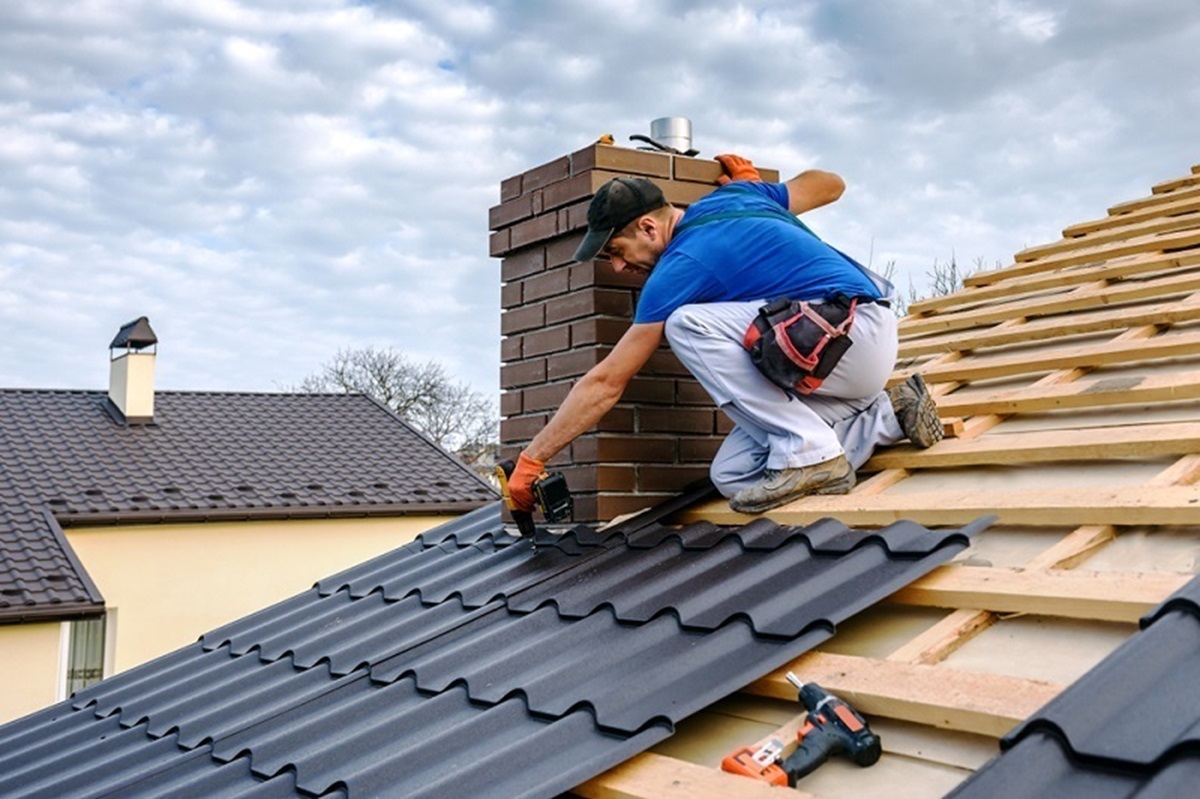
Metal roofs are popular throughout Glen Iris for good reason they’re lightweight, durable, and excellent at shedding water. However, they’re not maintenance-free. Rust is the primary enemy, especially around screw fixings and areas where the protective coating has been scratched or worn away.
Guttering and Downpipe Problems
Your gutters and downpipes are essential parts of your roofing repairs. When they’re blocked with leaves, debris, or even tennis balls from the neighbours’ kids, water backs up and can seep under your roofing repairs materials. Sagging gutters, rust spots, and loose brackets are common issues that worsen over time.
How Do I Know If My Needs Roofing Repairs?
Visible Warning Signs You Shouldn’t Ignore
Start with a visual inspection from ground level. Look for cracked, broken, or missing tiles, sagging sections, and rust patches on metal roofs. Check your ridge capping for gaps or crumbling cement work. Any visible daylight through your roof space when you’re in the attic is a clear sign something’s wrong.
Interior Signs of Roof Damage
A musty smell in certain rooms can also suggest hidden water damage. Don’t ignore these warning signs, as catching problems early prevents expensive structural roofing repairs.
When to Call a Professional Roofer
If you notice multiple warning signs, experience a leak during rain, or your roof is over 20 years old, it’s time to call in a professional. Similarly, after any significant storm or hail event, a professional inspection gives you peace of mind and identifies damage you might miss from the ground.
Essential Roof Maintenance Tips for Every Season
Pre-Winter Roof Preparation
Before winter arrives, clear your gutters and downpipes of all debris. Check your roof for any damaged or loose tiles and have them replaced. Inspect flashing around penetrations and ensure your roof space has adequate ventilation to prevent condensation issues during the colder months.
Post-Storm Inspection Checklist
After any significant storm, do a visual check from ground level. Look for:
- Displaced or broken tiles
- Debris accumulation in valleys and gutters
- Damage to aerials, satellite dishes, or solar panels
- Lifted flashing or ridge capping
- Any new gaps or holes
If you spot damage, document it with photos for insurance purposes and arrange professional roofing repairs promptly.
Annual Maintenance Tasks Every Homeowner Should Know
Create a yearly maintenance routine that includes gutter cleaning in autumn and spring, a visual roof inspection, checking for moss or lichen growth, and ensuring your roof space ventilation is working properly. Keep records of any maintenance performed this documentation proves valuable if you ever need to make an insurance claim or sell your home.
Can I Repair My Roof Myself or Should I Hire a Professional?
DIY Maintenance Tasks You Can Safely Do
From ground level, you can safely clean accessible gutters using appropriate ladders, inspect your roof visually, and clear debris from around downpipes. You can also check your roof space from inside your home.
Why Professional Roofing Repairs Are Worth It
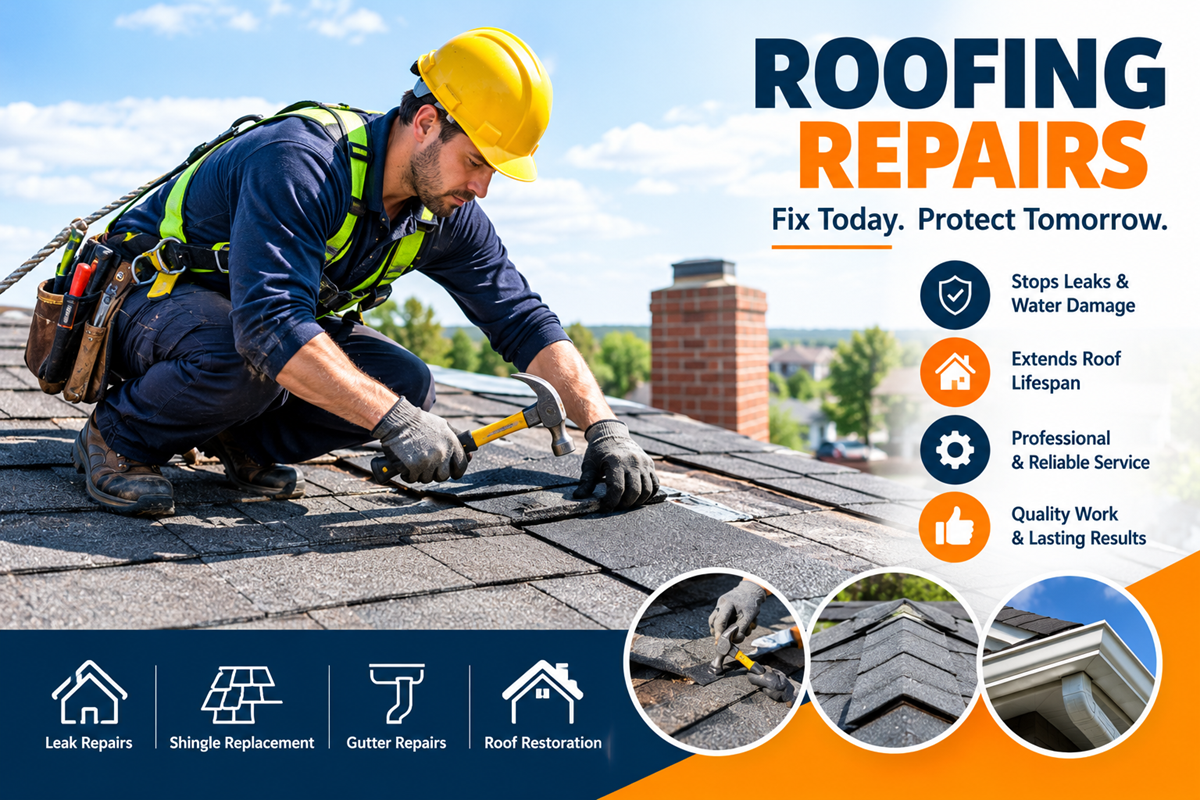
Roof work is dangerous, and falls from heights cause serious injuries every year. Professional roofers have proper safety equipment, training, and insurance. They also know how to identify problems you might miss and have access to quality materials and tools.
Licensing and Safety Requirements in Victoria
In Victoria, roofing repairs work over a certain value requires a licensed contractor. This protects you and ensures work meets building standards. Always verify a contractor’s licence through Consumer Affairs Victoria before hiring them.
How Often Should You Have Your Roof Inspected?
Recommended Inspection Frequency
Most roofing repairs experts recommend professional inspections every two to three years for newer roofs and annually for roofs over 15 years old. After severe weather events, arrange an additional inspection regardless of your roof’s age.
What a Professional Roof Inspection Includes
A thorough inspection covers the roof surface, flashings, valleys, ridge capping, gutters, downpipes, roof space condition, ventilation, and structural integrity. You should receive a written report detailing any issues and recommended roofing repairs.
Conclusion
Your roof works hard to protect everything and everyone beneath it. From Melbourne’s wild storms to blistering summer heat, it faces constant challenges. By staying on top of regular maintenance, addressing roofing repairs promptly, and working with qualified professionals when needed, you’re investing in your home’s long-term health and value.
The key takeaways? Don’t wait for visible leaks to take action. Regular inspections catch small problems before they become expensive disasters. Know what you can safely handle yourself, but don’t hesitate to call in the experts for anything beyond basic maintenance. And when choosing a contractor, prioritise quality and reliability over the lowest price

