


Horse Healing Experiences are changing the way people approach recovery and mental clarity, pairing the quiet presence of horses with real emotional work. Here’s why it’s nothing like your standard yoga class or spa day, and why that difference actually matters.
So here’s the thing nobody tells you about wellness culture — most of it is performance. You’re hitting a step count, nailing a pose, finishing the meditation streak before bed so the app gives you a little checkmark. Fine, whatever, it works for some people. But then there’s this other thing, this weirder thing, where you stand next to an actual horse and realize none of that performance matters to it one bit. I didn’t get it either until I tried it myself.
It’s Not About Performance, It’s About Presence
Every wellness activity I can think of has a goal baked in somewhere. Perfect your form. Breathe a certain way. Finish the class without checking your phone (good luck with that one). There’s pressure even in the stuff that’s supposed to relax you, which is a little absurd when you sit with it.
A horse isn’t grading you. It doesn’t care if your breathing technique is textbook or if you’ve got good form doing anything. What it does care about — and will absolutely clock immediately — is whether you’re actually calm or just pretending to be. You cannot fake it around a horse. They know. And once that sinks in, something in you just… stops performing.
Horses Mirror What You’re Actually Feeling, Whether You Like It Or Not
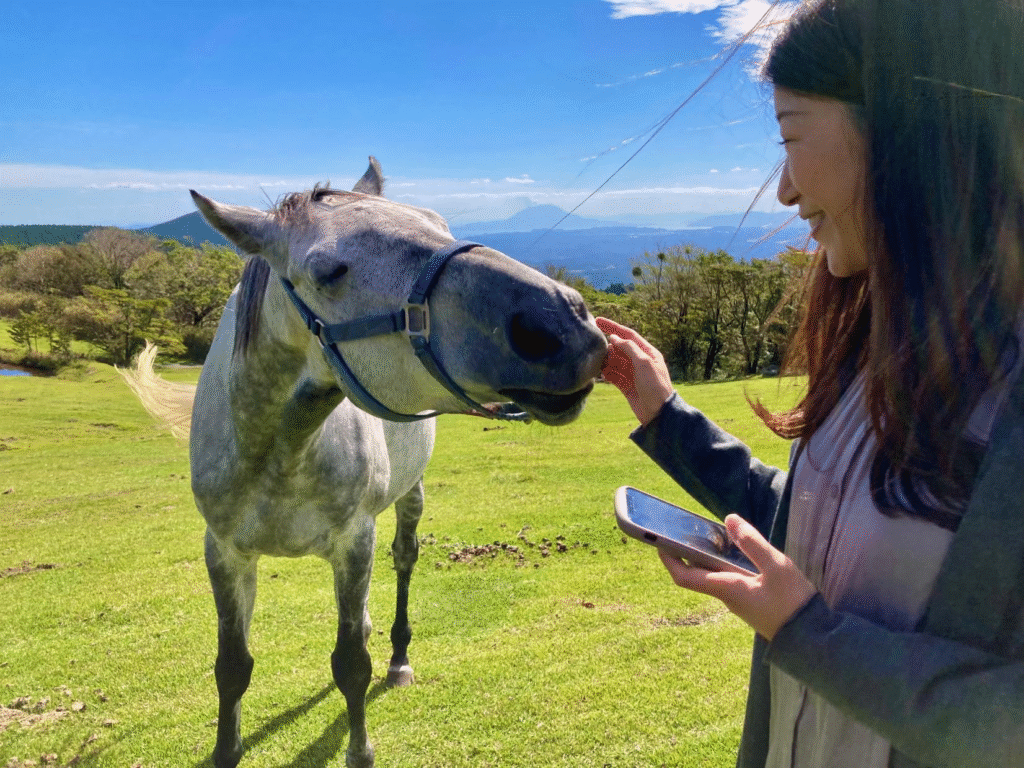
This is the part that catches people off guard the first time, every time. You walk in thinking you’re totally fine, and the horse just won’t come near you. Not out of spite. It’s picking up on something you haven’t even admitted to yourself yet — maybe it’s that email you’re dreading, or a fight you’re still replaying in your head.
That mirroring thing is really the whole point. A yoga instructor isn’t going to call you out mid-pose. A massage therapist won’t either. But a horse standing there, ears twitching, shifting its weight away from you, becomes this blunt, silent feedback loop you can’t argue with. Most people find it unsettling at first. Then, weirdly, kind of a relief.
There’s No Script, Which Is Honestly Terrifying At First
Most wellness stuff comes with a script. Inhale four counts, hold, exhale. Follow the app voice. There’s comfort in that, I get it — you just follow instructions and your brain gets to switch off a little.
Horse work doesn’t hand you a script. Maybe you’re told to just stand there and groom the horse, or lead it around some cones without a rope even. No clear steps. That’s uncomfortable for a lot of people at first, and then it becomes the whole value of the thing — you’re forced to actually be present instead of just following along like you’re on autopilot.
Your Body Moves, But It’s Not a Workout and That’s Kind of the Point
There’s a physical side to this nobody talks about enough. Leading a horse around, brushing it down, walking next to it in a field — none of that is a workout exactly, but you’re moving, you’re outside, your nervous system is doing something different than it does at a desk.
Compare that to a spin class where the entire point is your heart rate hitting a certain zone on a screen. With horses, the physical part is almost an accident. You’re not counting anything. You’re paying attention to the animal, and somewhere in there your shoulders come down from around your ears without you noticing it happened.
Trust Gets Built the Slow, Annoying, Real Way
Earning a horse’s trust takes actual time. You can’t rush it in fifteen minutes the way you might power through a quick stretch routine before work. Horses are prey animals, bottom line — they notice hesitation, fear, inconsistency, all of it, immediately.
So building that trust means showing up the same, grounded way, over and over, session after session. That teaches something most wellness activities skip right past — how trust is actually built. Not through one good talk or one solid workout, but through repeated, boring, consistent honesty. A lot of people say this changes how they deal with people too. Not a small thing to walk away with.
It Reaches Trauma That Talk Therapy Sometimes Can’t Touch
I want to be careful here because talk therapy genuinely helps people, no argument. But some trauma just doesn’t live in words. It lives somewhere in the body, and trying to talk your way to it can feel like grabbing smoke.
Equine-assisted therapists will tell you clients process things standing near a horse that never came up in an office with a couch and a box of tissues. There’s less pressure to have a breakthrough moment or say the right thing. The horse becomes this neutral focal point, and the real work happens sideways, almost by accident, while you’re just brushing its mane.
Being Outside Changes More Than People Expect
Most of this happens in barns, pastures, open fields — not a studio with mirrors and a sound system. That setting shift alone does something. Dirt on your boots, hay smell, actual wind. Sounds small. It’s not.
There’s solid research already on nature lowering cortisol and lifting mood, and horse healing work stacks that on top of the animal connection itself. So you’re getting two things working on you at once, which is probably part of why people describe feeling “reset” after a session in a way a 45-minute studio class rarely pulls off.
The Relationship Doesn’t End When the Session Does
A spin class ends and you’re out the door, maybe you half-remember the instructor’s name. Horse work tends to stretch out over weeks, months even, especially with ongoing programs. You start recognizing the horse’s moods — the one who’s grumpy on windy days, the one who nickers when it sees you coming.
That ongoing bond creates a kind of accountability hard to get anywhere else. You’re not just showing up for yourself anymore, you’re showing up because something is kind of expecting you. It stops being a box to check on a wellness app and starts being an actual relationship that pulls you back, even on the days you’d honestly rather skip it.
You Practice Staying Calm in Real Time, Not In Theory
Most wellness advice teaches regulation as theory. Breathe this way when stressed. Journal when anxious. Fine ideas, sure, but they live in your head until you need them.
A horse demands it right now. Walk in jittery and anxious, the horse reacts immediately, full stop, and suddenly you have to actually regulate yourself in that exact moment — not think about it later over coffee. That real-time loop builds something closer to muscle memory for calm. It sticks in a way reading about breathing techniques just doesn’t.
It Reaches People Who Shut Down in Traditional Therapy Settings
Not everybody does well sitting across from a therapist, talking, being looked at directly while they try to find words for hard things. Kids especially. Teens. People with certain trauma histories. It can feel too exposed, too much pressure, honestly kind of intimidating for a lot of folks.
Horse work sidesteps a chunk of that resistance because there’s literally an animal in the room to focus on instead of just your own discomfort. It softens the entry point. That’s a big reason equine programs have grown so much over the last decade or so — veteran support groups, trauma recovery, youth programs, all leaning into it.
Conclusion
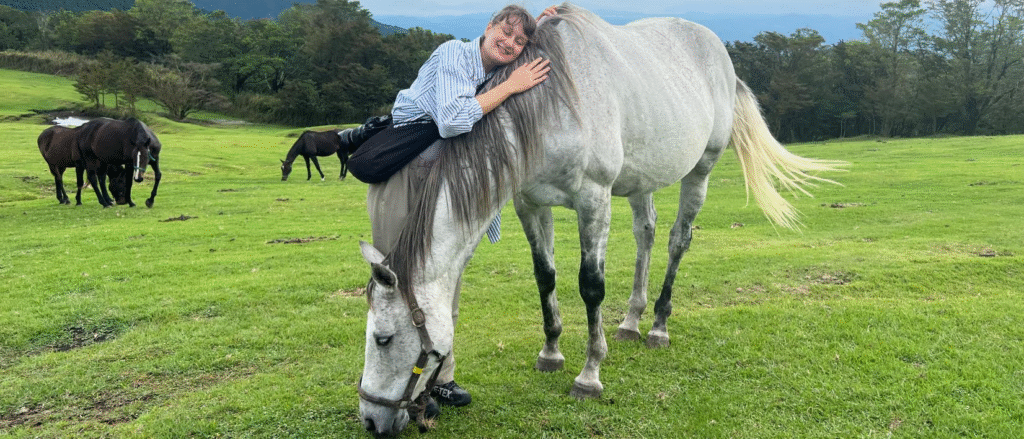
So what’s the actual takeaway here? A horse healing experience isn’t trying to replace therapy or your gym membership or your meditation app, it’s doing something none of those things fully do on their own. It mixes honest feedback, real movement, fresh air, and an actual bond into one thing that keeps surprising people who show up skeptical. If you’ve burned through the usual wellness routines and you’re still stuck, honestly, go stand in a pasture for an hour and see what happens. Sometimes the healing that actually works isn’t human at all, and that’s fine.
FAQs
What is a horse healing experience exactly?
It’s a therapeutic or wellness practice built around interacting with horses — grooming, leading, just being near them — meant to build emotional awareness and trust, usually with a facilitator guiding things along.
Do I need to know how to ride?
Nope. Most of this work happens on the ground, not in the saddle, so no riding background needed at all.
Is there actual research behind this stuff?
Yes, there’s a growing body of research on equine-assisted therapy, especially for trauma, anxiety, and PTSD, showing real improvements in emotional regulation.
How’s a horse healing experience different from regular therapy?
It adds a physical, in-the-moment element talk therapy doesn’t really offer. The horse reacts to your actual state right then, which gives you feedback no office conversation can.
Who actually benefits from this?
Honestly, most people do in some way, but it’s especially useful for trauma, anxiety, grief, or anyone who struggles to open up in a typical talk therapy setup.

