


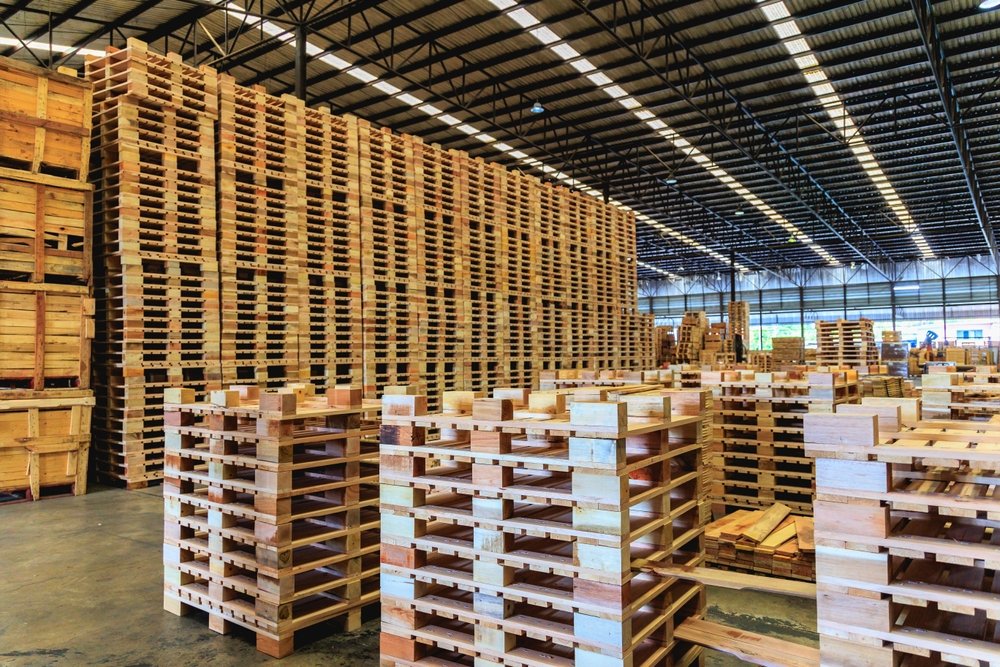
Efficient logistics and warehousing depend on reliable systems for storing, handling, and transporting goods. Among the most practical solutions are timber pallets, which provide a stable platform for moving products through warehouses, distribution centres, manufacturing facilities, and transport networks. Choosing the right timber pallets Sydney businesses can rely on can help improve handling efficiency while supporting safer and more organised operations.
From standard pallets to customised solutions, businesses should consider factors such as load capacity, dimensions, timber quality, durability, and intended use before selecting their pallet supply. The right choice can contribute to smoother warehouse workflows and better protection for goods during storage and transportation.
Why Timber Pallets Are Important for Logistics
Timber pallets are widely used throughout supply chains because they provide a practical base for storing and moving products. Their straightforward construction makes them compatible with common material-handling equipment such as forklifts and pallet jacks.
Simplify Product Handling
Palletizing products allows multiple items to be grouped into a single manageable load. This can make loading, unloading, stacking, and transportation more efficient. Using consistent pallet dimensions can also help businesses establish organised handling procedures across their warehouses.
Support Safe Storage
A suitable pallet can keep products raised from the warehouse floor, helping businesses organise stock and handle goods more effectively. However, pallets should always be selected and used according to their intended load capacity and storage conditions.
Improve Transport Efficiency
Palletised goods can be moved more efficiently between suppliers, warehouses, distribution centres, and customers. Businesses can choose pallet dimensions that work with their transport and storage systems to help maximise available space.
Choosing the Right Timber Pallets Sydney for Your Business
Not every pallet is suitable for every application. Before ordering timber pallets, consider how they will be used and what they need to support.
Consider Load Requirements
Load capacity is one of the most important factors when selecting pallets. Businesses should understand the weight of the products being stored or transported and whether the pallets will be moved, stacked, or placed on warehouse racking.
Consider:
- Static load capacity
- Dynamic load capacity
- Racking load capacity
- Product weight distribution
- Frequency of handling
Always follow the supplier’s specifications and avoid using pallets beyond their rated capacity.
Choose Appropriate Dimensions
Pallet dimensions should complement the products being transported as well as the warehouse layout and handling equipment. Standard-sized pallets may be suitable for many operations, while businesses with specialised products may require custom dimensions. A correctly sized pallet can provide better product support and reduce unnecessary space.
Assess Timber Quality
The condition and construction of timber pallets can influence their performance. Look for pallets manufactured with suitable timber and secure components. For used pallets, inspect boards, blocks, runners, nails, and other structural components for damage before putting them into service.
New vs Used Timber Pallets
Businesses often choose between new and used timber pallets depending on their operational requirements and budget.
Benefits of New Timber Pallets
New timber pallets can provide consistent dimensions and condition. They may be appropriate for businesses that need predictable performance, frequent handling, or pallets designed to specific specifications. They can also be useful where appearance, cleanliness, or uniformity is an important consideration.
Benefits of Used Timber Pallets
Used pallets can offer a cost-effective option for appropriate applications. However, their condition can vary, so each pallet should be inspected for structural integrity before use. Businesses should consider the intended load, handling conditions, and expected service life when deciding whether used pallets are appropriate.
How Timber Pallets Improve Warehouse Operations
A well-planned pallet system can contribute to a more organised and efficient warehouse.
Better Inventory Organisation
Using consistent pallets can make it easier to organise products into designated storage locations. Palletised stock can also simplify movement between different areas of a warehouse.
Easier Forklift Handling
Suitable pallet designs provide access points for forklifts and pallet jacks, allowing workers to move loads without individually handling every product. Businesses should ensure their chosen pallet design is compatible with the equipment used on-site.
More Efficient Space Utilisation
Appropriate pallet dimensions can help businesses make better use of warehouse floor space and storage systems. When pallets are compatible with racking and stacking arrangements, businesses can develop more consistent storage processes.
Timber Pallets for Different Industries
Timber pallets are used across many industries because they can be adapted to different product and handling requirements.
Manufacturing and Industrial Businesses
Manufacturers often need pallets to move raw materials, components, machinery parts, and finished products. Heavy-duty pallet designs may be suitable for applications involving substantial loads.
Retail and Distribution
Retailers and distribution businesses can use pallets to consolidate packaged products for warehouse storage and delivery. Consistent pallet sizes can simplify movement through distribution networks.
Construction and Building Supplies
Construction businesses may use timber pallets for transporting building materials, tools, packaged products, and other supplies. The appropriate pallet should be selected according to the weight and dimensions of the materials.
Agricultural and Produce Businesses
Agricultural businesses may use pallets to move packaged produce and other goods. Hygiene, moisture exposure, product requirements, and transport conditions should be considered when selecting pallets for these applications.
What to Look for in a Timber Pallet Supplier
Choosing a dependable supplier is an important part of maintaining a consistent pallet supply.
Product Range and Availability
A reliable supplier should be able to provide pallet options suited to different applications. Check whether they offer standard sizes, heavy-duty options, used pallets, or custom solutions where required. Consistent availability can be particularly important for businesses with high pallet turnover.
Clear Product Specifications
Before ordering, ask for information about pallet dimensions, construction, load capacity, timber type, and intended use. Clear specifications can help ensure the pallets are suitable for your warehouse and transportation requirements.
Delivery and Supply Requirements
Consider delivery locations, lead times, minimum order quantities, and ongoing supply arrangements. Businesses that use large numbers of pallets may benefit from establishing a regular supply schedule.
Custom Pallet Solutions
Some products cannot be safely or efficiently transported using standard pallet sizes. If your goods have unusual dimensions or weight requirements, ask whether custom timber pallet solutions are available.
Maintaining Timber Pallets for Longer Use
Proper handling and regular inspection can help businesses get better value from their pallet supply.
Inspect Pallets Before Use
Check pallets for cracked boards, broken components, loose nails, excessive wear, mould, rot, or other signs of damage. Remove unsafe pallets from circulation rather than taking unnecessary risks.
Store Pallets Correctly
When pallets are not in use, store them in a dry and suitable area where possible. Protecting timber pallets from unnecessary moisture and harsh environmental exposure can help maintain their condition.
Repair or Replace Damaged Pallets
Some pallets may be suitable for professional repair, while others should be replaced. Decisions should be based on structural condition and intended use. Do not use a pallet if its ability to safely support the intended load is uncertain.
Timber Pallets and Sustainable Business Practices
Timber pallets can also form part of a more responsible material-management strategy when they are used efficiently.
Reuse Suitable Pallets
Where a pallet remains structurally sound, reusing it can help reduce unnecessary disposal and the demand for replacement pallets. Businesses can establish inspection procedures to determine whether pallets should be reused, repaired, or removed from service.
Recycle End-of-Life Pallets
Damaged timber pallets may have recycling or recovery options depending on their condition and local facilities. Timber components can potentially be repurposed rather than immediately sent to landfill.
Choose the Right Quantity
Over-ordering pallets can create unnecessary storage requirements. Reviewing usage rates and inventory levels can help businesses maintain an appropriate pallet supply without accumulating excessive unused stock.
Important Considerations for Transport and Export
Businesses involved in interstate or international transportation should consider the requirements associated with their supply chain.
Check Export Requirements
Wood packaging material used in international trade may be subject to phytosanitary requirements. ISPM 15 establishes international measures for certain wood packaging materials, including requirements relating to treatment and marking. If pallets are intended for export, confirm the destination country’s requirements and ensure the pallets meet applicable standards.
Protect Goods During Transportation
The pallet is only one part of a secure transport system. Businesses should also consider appropriate wrapping, strapping, load distribution, and other methods of stabilizing goods. Products should be positioned and secured according to their characteristics and the transportation conditions.
Avoid Common Timber Pallet Purchasing Mistakes
A few simple checks can help businesses avoid unnecessary costs and operational problems.
Don’t Choose Based Only on Price
The cheapest pallet may not provide the best value if it has poor durability or is unsuitable for the intended application. Consider quality, load capacity, service life, and replacement costs.
Don’t Ignore Pallet Compatibility
Ensure pallets work with forklifts, pallet jacks, racking systems, warehouse dimensions, and transportation arrangements.
Don’t Use Damaged Pallets
Damaged pallets can create risks for workers, products, and handling equipment. Inspect pallets regularly and remove those that are no longer structurally suitable.
Conclusion
Reliable timber pallets can play an important role in efficient logistics and warehousing. By providing a stable platform for storing, handling, and transporting goods, they can help businesses organise inventory and streamline material movement.
When choosing timber pallets Sydney, businesses should consider load capacity, pallet dimensions, timber quality, intended application, storage requirements, and supplier reliability. Comparing new and used options can also help businesses find a solution that balances performance and budget.
With appropriate selection, regular inspection, responsible handling, and reliable supply, timber pallets can support efficient warehouse operations and dependable logistics processes.

