


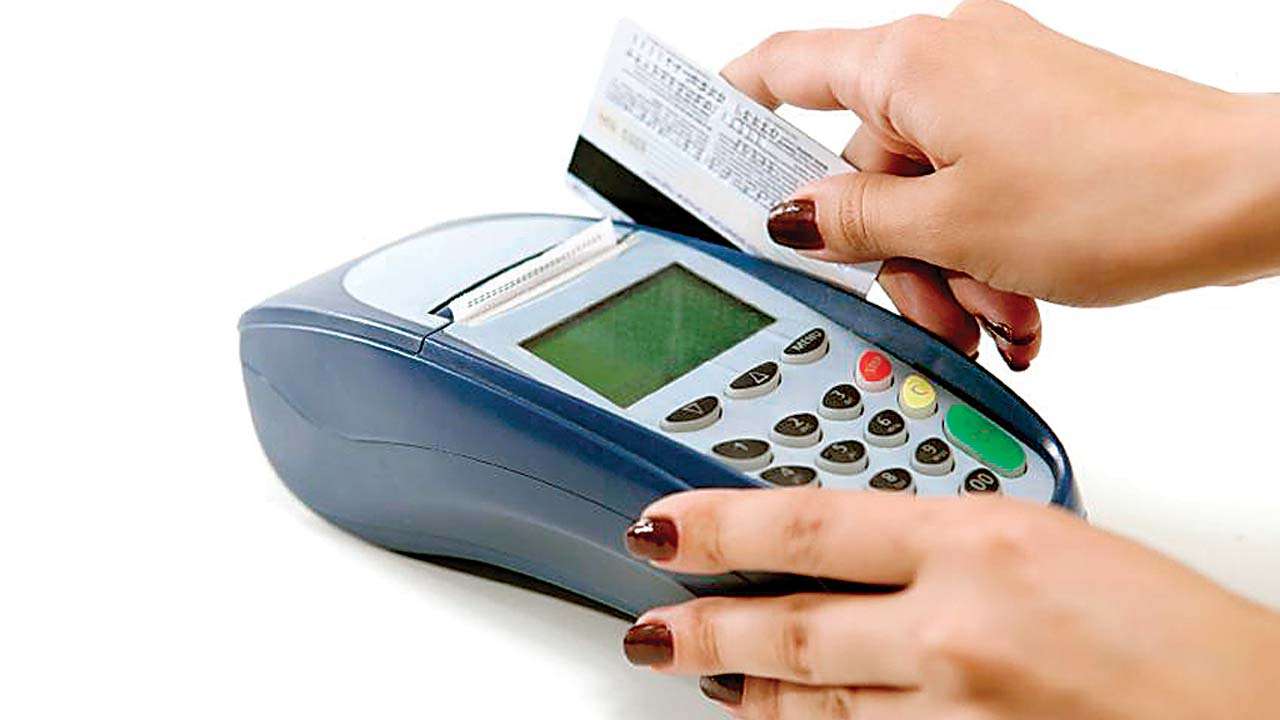
Being an owner of a retail outlet, e-commerce website, or store, you will soon learn that there is more than one way of completing a transaction, and not all of them are equal. The inequality of payment methods for the merchant is in the costs associated with each process. The credit card processing rates and the liability related to the rates can see a lot of variation based on the type of payment method you choose. Processing rates will be significantly higher if the payment falls in the CNP (card not present) category. But even if the customer has the card on them, the way the information is shared with the POS terminal can also impact the transaction’s fees.
What is a Card Swipe Transaction?
If they accept payments through cards at each sales terminal, you will find an EMV enabled or a mag stripe card reader. This reader is used to get information through the card of the cardholder to proceed with the transaction. For swipe transactions, the card’s magnetic stripe is used to transfer the data of the card into the POS terminal of the shop electronically. The consumer or the merchant swipes the card through the reader, or it can also occur using an e-wallet. To perform the transaction using an e-wallet, the NFC feature of a phone using a service such as Apple pay is placed near the shop’s NFC-enabled sales terminal. In both transactions, the card’s information is present at the spot of the purchase. It is available to the merchant for the transaction.
What is a Keyed-in Transaction?
When the card is not present for a service or good(s) purchase, the merchant has to enter the card’s credentials manually. Sometimes even if the card is available, there may be a possibility that the information needs to be keyed in manually. In any case, the merchant has to manually enter the 16 digits of the card and the CVC code at the back of the card to perform the transaction; it is categorized as a keyed-in transaction.
Other reasons why merchants perform keyed-in transactions are because the sales terminal was not available at the time of purchase or if the purchase has been made over the phone. The customer or the merchant could not be present to access the data of the card electronically.
Disadvantages of Keyed-in Transactions
First of all, the cost of a keyed-in transaction, regardless of the merchant service payment processor you are signed up with, is always higher than transactions done by swiping the card in the card reader of the POS terminal. The reason is the risk involved in card-not-present CNP transactions. Even if the card is present and the information is manually entered in the store’s sales terminal, the transaction will be termed as a card, not the current transaction.
The payment process currently has no means to verify whether the card was present or used by the person authorized to use the card. Therefore the chance of it being a fraudulent purchase becomes much greater than that of a transaction in which the user swiped a card. Therefore, to cover for fraud protection and potential chargebacks, the payment processors charge a little more to process the payment. One way to reduce the costs a little bit is to note the customer’s address in case they return and use the AVS (address verification service) to verify the cardholder.
Secondly, there are liability issues associated with keyed-in transactions. EMV compliance protects merchants from liabilities such as fraud and chargebacks. But in the case of a keyed-in transaction, the liability shifts back to the merchant. Therefore, for any fraud or chargeback, the merchant would be responsible for compensating for the losses.
Advantages of Keyed-in Transactions
The prime benefits of keyed-in transactions are that they become means for customer convenience. If a customer has forgotten their card at home or their card is not functioning correctly, allowing them to make their purchase by keying in their credentials is a way to help them out. This can serve for better customer relations and reputation as a merchant. This is especially beneficial when a regular customer has trouble with their card, and you are a small business. This can be a massive boost to your firm’s reputation. Keyed-in transactions allow the customer to perform the purchase and not even be present for it.
Advantages of Card Swipe Transaction
For card swipe transactions, the customer has to have the card on them and pass it through the card reader of the sales terminal. This makes the transaction way safer and more reliable than that of a keyed-in transaction. Swiping a card to perform a transaction also compensates for errors. Humans can very easily make typos or press incorrect numbers when entering the credentials of the card. Credit card terminals that electronically take in that information are much less likely to fall prey to such trouble.
The fee of the transaction is much lesser as it’s a safer method. If the transaction is EMV compliant, the merchant’s liability to fraud and chargebacks shifts to the payment processor. The lesser fee is based upon the card’s presence. The fact that the card’s information was electronically transferred to the sales terminal verifies the card’s authenticity. Therefore, it is much less likely that the payment would be fraudulent.
The payment processors charge higher for payments involving a higher risk of fraud or cash backs because it adds to their work, and they would charge you for their services wherever possible. It is the business model of payment processors to exploit every chance of making money from your business; therefore, it is up to you to make sure you give as few chances as possible. You can do that by using extremely portable software and hardware, such as the Clover Go, to perform transactions on-site to make sure you stack up against your profits as high as possible.

