


Every new parent quickly learns that baby skin needs a completely different level of care than adult skin. It’s thinner, more sensitive, and far more prone to dryness and irritation. That’s why baby oil remains one of the most essential baby products in any nursery, alongside staples like baby rash cream. But with so many options on the market, how do you know which baby oil and rash cream are actually right for your baby? This guide from WBM MART walks you through everything you need to know before you buy.
Why Baby Oil Is a Nursery Essential
Baby oil isn’t just a nice-to-have item on your shopping list — it plays a real role in your baby’s skin health. Newborn skin has a naturally weaker moisture barrier compared to adult skin, which means it loses hydration faster and is more susceptible to dryness, flaking, and irritation, especially in changing weather conditions.
A good baby oil helps by:
- Locking in moisture after bath time, when skin is most prone to water loss
- Softening and soothing dry patches, common in newborns during the first few months
- Providing a gentle massage medium, which supports bonding and can help with better sleep
- Creating a light protective barrier against everyday friction from clothing and diapers
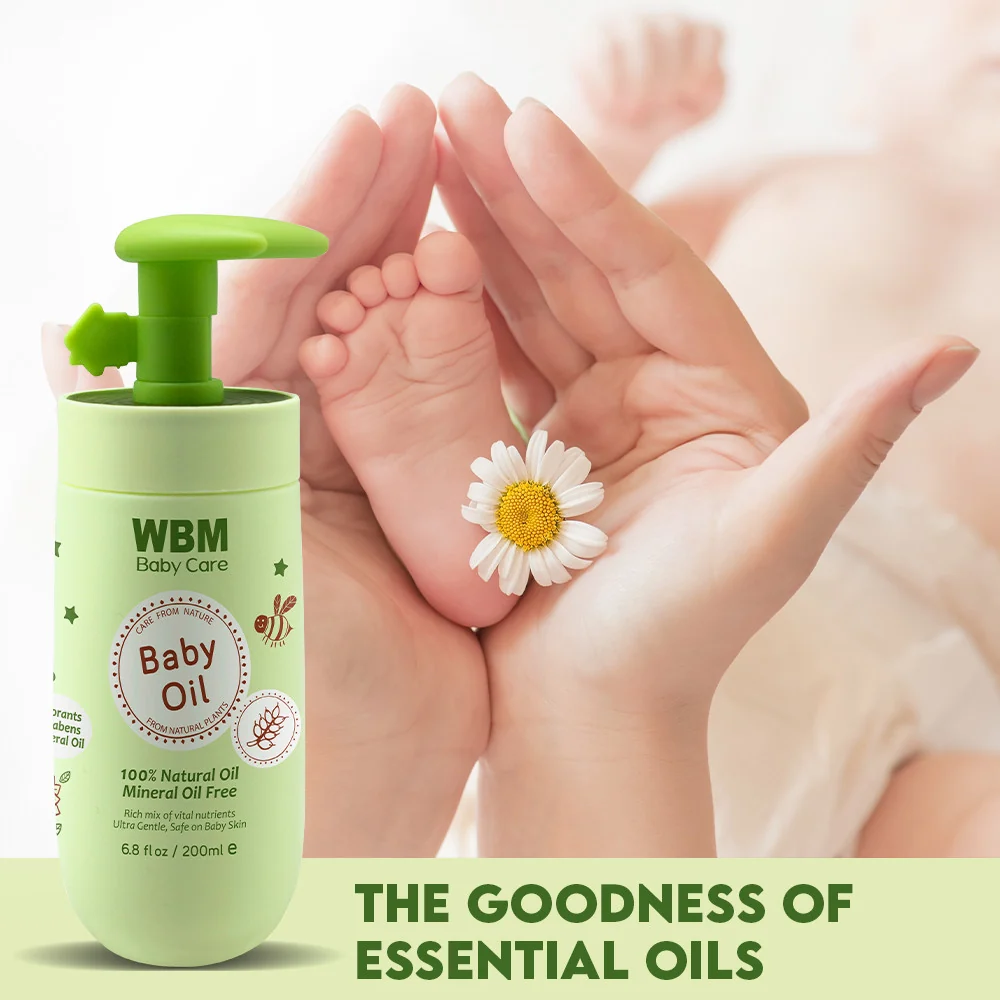
At WBM MART, baby oil consistently ranks among the top baby products purchased by new parents, right alongside essentials like baby rash cream and gentle cleansers.
What to Look for When Buying Baby Oil
Not all baby oils are formulated the same way, and choosing the right one matters more than people realize. Here’s what to check before adding one to your cart:
- Mineral oil vs natural oils: Some baby oils use refined mineral oil, which is generally considered safe and non-comedogenic, while others use natural oils like almond, coconut, or olive oil. Both have their place, but sensitive-skinned babies may respond better to lighter, natural formulations.
- Fragrance-free or lightly scented: Heavily fragranced oils can sometimes trigger irritation on sensitive baby skin. Fragrance-free or hypoallergenic options are usually the safer choice for daily use.
- Dermatologically tested labeling: Look for oils that are specifically tested and formulated for infant skin, not repurposed adult body oils.
- Non-greasy absorption: A good baby oil should absorb reasonably well without leaving skin excessively greasy or clogging pores.
- Packaging and hygiene: Bottles with secure, spill-proof caps help maintain hygiene, especially important for products used multiple times a day.
How to Use Baby Oil the Right Way
Using baby oil correctly makes a noticeable difference in how effective it is:
- After bath time: Apply a small amount to slightly damp skin to help seal in moisture more effectively than applying to completely dry skin.
- For massage: Warm a small amount between your palms before gently massaging your baby’s arms, legs, and torso, avoiding the face and any broken skin.
- Spot treatment: For dry patches on elbows, knees, or heels, a light layer of baby oil can help soften rough skin over time.
- Avoid overuse: A little goes a long way. Excessive application can clog pores or feel uncomfortably greasy for your baby.
Understanding Baby Rash Cream: Your Baby’s Skin Protection Partner
While baby oil focuses on moisture and softness, baby rash cream serves a very specific purpose: protecting and healing skin affected by diaper rash. Diaper rash is one of the most common skin concerns in infants, caused by prolonged exposure to moisture, friction, and irritants in urine and stool.
A quality baby rash cream typically works through one or more of these approaches:
- Barrier protection: Ingredients like zinc oxide form a physical barrier between the skin and moisture, reducing further irritation.
- Soothing agents: Ingredients such as aloe vera or panthenol help calm already-irritated skin.
- Healing support: Some creams include mild, baby-safe ingredients that support faster skin recovery.
Unlike baby oil, which is often used preventively and for general skincare, baby rash cream is typically applied at the first sign of redness or irritation, and consistently during diaper changes until the rash clears.
Baby Oil vs Baby Rash Cream: When to Use Which
New parents often wonder whether these two products can be used interchangeably. The short answer is no — they’re designed for different jobs:
- Use baby oil for daily moisturizing, massage, and general skin softness on healthy skin.
- Use baby rash cream specifically for diaper areas showing redness, irritation, or early rash signs.
- Avoid layering baby oil under rash cream in the diaper area, as oil can sometimes reduce the barrier cream’s effectiveness by preventing proper adhesion to the skin.
Keeping both baby products on hand, but using them for their intended purposes, gives your baby the most effective care.
Building a Complete Baby Skincare Routine
Baby oil and rash cream work best as part of a broader, gentle skincare routine. A simple daily approach many parents follow includes:
- A mild, tear-free baby wash during bath time
- Gentle pat-drying, leaving skin slightly damp
- Baby oil applied to arms, legs, and torso for moisture and massage
- Baby rash cream applied to the diaper area at every change, or as needed for irritation
- Soft, breathable clothing to minimize friction on treated skin
Consistency matters more than using a large number of products. Sticking to a few well-chosen baby products tends to work better than switching frequently between brands.
Why Shop Baby Products at WBM MART
As a trusted mart for everyday essentials, WBM MART offers a curated range of baby products, including baby oil and baby rash cream, chosen with quality and safety in mind. Instead of navigating multiple stores or uncertain online listings, parents can find trusted, baby-safe skincare essentials in one place. Whether you’re setting up a nursery for the first time or restocking daily basics, WBM MART aims to make it simple to find reliable baby oil, rash cream, and other essential baby products.
Frequently Asked Questions (FAQs)
Is baby oil safe to use every day?
Yes, most baby oils are formulated for daily use, especially after bath time. However, it’s best to use a light layer and monitor your baby’s skin for any signs of irritation.
Can I use baby oil on my baby’s face?
It’s generally best to avoid applying baby oil directly on the face, particularly near the eyes and mouth, since facial skin is more sensitive and prone to clogged pores.
What causes diaper rash, and can baby rash cream prevent it?
Diaper rash is usually caused by prolonged moisture, friction, or irritation from urine and stool. Applying baby rash cream at each diaper change can help prevent and treat mild rash by creating a protective barrier.
Can I use baby oil and baby rash cream together?
It’s better to use them separately based on purpose — baby oil for general moisturizing on healthy skin, and rash cream specifically in the diaper area, since oil can interfere with the barrier cream’s effectiveness.
How do I choose the right baby oil for sensitive skin?
Look for fragrance-free, dermatologically tested baby oils with minimal ingredients, and consider natural oil-based formulas if your baby has particularly reactive skin.
Where can I buy reliable baby oil and baby rash cream in one place?
You can find a trusted selection of baby oil, baby rash cream, and other baby products through WBM MART, making it easier to shop quality essentials without guesswork.
Conclusion
Caring for a baby’s delicate skin comes down to using the right products, the right way. Baby oil helps maintain daily moisture and softness, while baby rash cream plays a targeted role in preventing and healing diaper rash. Understanding when and how to use each one helps parents build a simple, effective skincare routine without unnecessary trial and error. For parents looking for dependable baby oil, baby rash cream, and other essential baby products, WBM MART offers a trusted, convenient mart experience designed to support your baby’s health from day one.

