


A lot of people fall in love with the idea of tiny living first. The cozy photos, the minimal lifestyle, the whole “freedom from big mortgages” thing. I get it. But then reality shows up. Permits, inspections, zoning rules… yeah, the unsexy stuff. That’s where a code approved tiny home becomes the difference between a dream and a headache. If your tiny house isn’t built to local tiny house code, you might not legally live in it. Some counties won’t even let you park it. That’s why people start looking for an experienced ADU builder or exploring properly designed Tiny House kits. Because the truth is simple. If the structure isn’t approved, you’re fighting the system from day one.
Understanding Tiny House Code Before You Build Anything
Tiny homes sound simple, but the rules around them definitely aren’t. Building codes vary wildly depending on the state, the county, even the neighborhood sometimes. Some areas follow the IRC appendix for tiny homes. Others treat them like accessory dwellings or small cabins. And that changes everything. Ceiling heights, stair design, egress windows, insulation standards. Miss one requirement and you’re rebuilding things later. Not fun. A code approved tiny home is designed from the start to pass inspections. That’s why many people work with an ADU builder who already understands local permitting. They’ve dealt with inspectors before. They know what flies and what gets rejected.
The Role of an ADU Builder in Tiny Home Projects
A good ADU builder isn’t just someone swinging a hammer. They’re part guide, part problem-solver. Accessory Dwelling Units and tiny homes share a lot of overlap, especially in urban areas where cities are encouraging backyard housing. An experienced builder understands setbacks, utility connections, and foundation requirements. Stuff that DIY builders don’t always think about until it’s too late. And yeah, some folks still build tiny houses themselves. Totally possible. But having someone who understands the system can save months of frustration. Sometimes longer. Especially when you’re trying to get a code approved tiny home permitted legally.
Tiny House Kits: A Shortcut That Still Needs Planning
Tiny House kits get a lot of attention these days. And honestly, they can be great. Pre-designed framing packages, engineered plans, simplified builds. For many buyers it removes the intimidation factor. But here’s the catch people forget: not every kit automatically meets local building codes. Some are designed as cabins. Some are meant for off-grid use. Others assume rural zoning. If you’re planning a permanent residence, the kit still needs to meet tiny house code requirements in your area. That’s where working with an ADU builder again makes sense. They can adjust plans, modify layouts, or handle the permits so your kit actually becomes a legal home.
Tiny House Trailers vs Foundations: The Big Decision
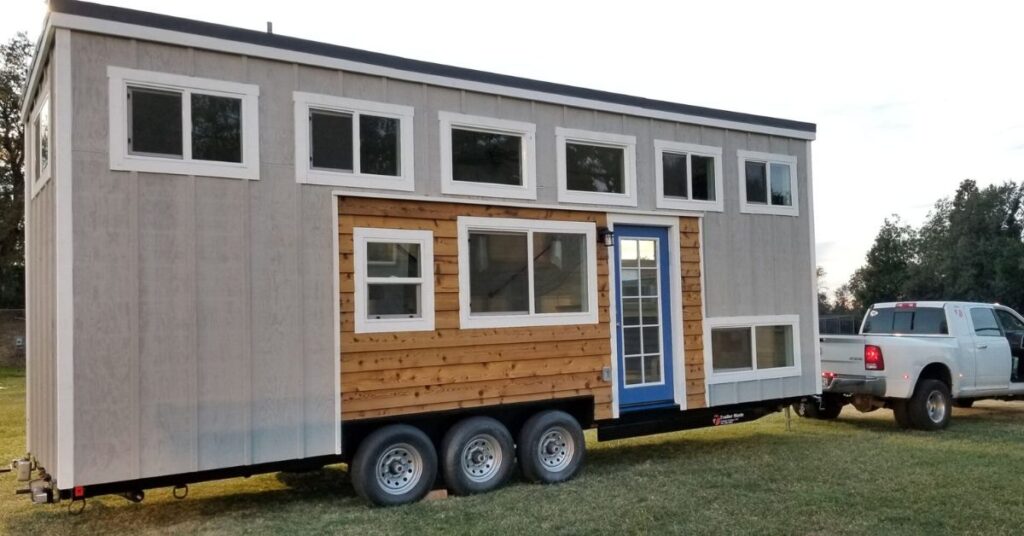
This is where the tiny house world splits into two camps. Homes on wheels and homes on foundations. A Tiny House Trailer gives you mobility, technically speaking. You can relocate, travel, maybe even avoid some zoning problems. But trailers also fall into a weird legal gray zone. Many cities classify them as RVs, not homes. That means you can’t always live in them full-time. A foundation-built code approved tiny home usually avoids that issue. It’s treated more like a small house or ADU. Which makes insurance, financing, and utilities way easier. Less romantic maybe, but a lot more practical.
Zoning Laws: The Thing Nobody Talks About Enough
Zoning is the quiet gatekeeper of tiny housing. Even if your structure meets building code, zoning laws decide where it can actually exist. Some cities allow backyard ADUs but not standalone tiny homes. Others require minimum square footage. A few progressive towns welcome tiny communities, but they’re still rare. That’s why experienced ADU builders spend a lot of time dealing with planning departments before construction even starts. It’s not glamorous work, but it matters. A properly placed code approved tiny home fits into local zoning from day one. That means fewer surprises and way fewer angry letters from the city later.
Why Legal Tiny Homes Hold Their Value Better
Here’s something people rarely think about when they start tiny living. Resale. A legally permitted code approved tiny home behaves more like traditional real estate. Buyers feel safer. Banks sometimes finance them. Insurance companies understand what they’re covering. Compare that with an unpermitted tiny house on a random trailer… the market gets smaller fast. People hesitate. But when the home is built by a professional ADU builder, inspected, and recorded properly, it carries credibility. It’s not just a cool experiment anymore. It’s a legitimate housing option.
Conclusion: Tiny Living Works Best When You Build It Right
Tiny homes absolutely can change someone’s life. Lower costs, simpler living, less space to maintain. There’s real freedom in that. But the best tiny homes aren’t the ones that look perfect on Instagram. They’re the ones that are legal, durable, and built to last. A code approved tiny home backed by solid planning, good design, and maybe a knowledgeable ADU builder just removes so many future problems. Permits get approved faster. Inspections pass easier. And you can actually relax in the home you built. Which, honestly, is the whole point of going tiny in the first place.

