


Modern manufacturing is rapidly evolving with the integration of automation, robotics, and advanced industrial technologies. Companies across industries are constantly seeking solutions that improve productivity, accuracy, and efficiency. Among the most important components that support automation systems are pneumatic clamping solutions and the pneumatic gripper for robotic arm systems. These technologies play a crucial role in workholding, material handling, and robotic automation processes.
By utilizing compressed air to operate mechanical components, pneumatic systems provide reliable and efficient performance in manufacturing environments. Understanding how pneumatic clamping and a pneumatic gripper for robotic arm function can help industries optimize their automation strategies and achieve better operational outcomes.
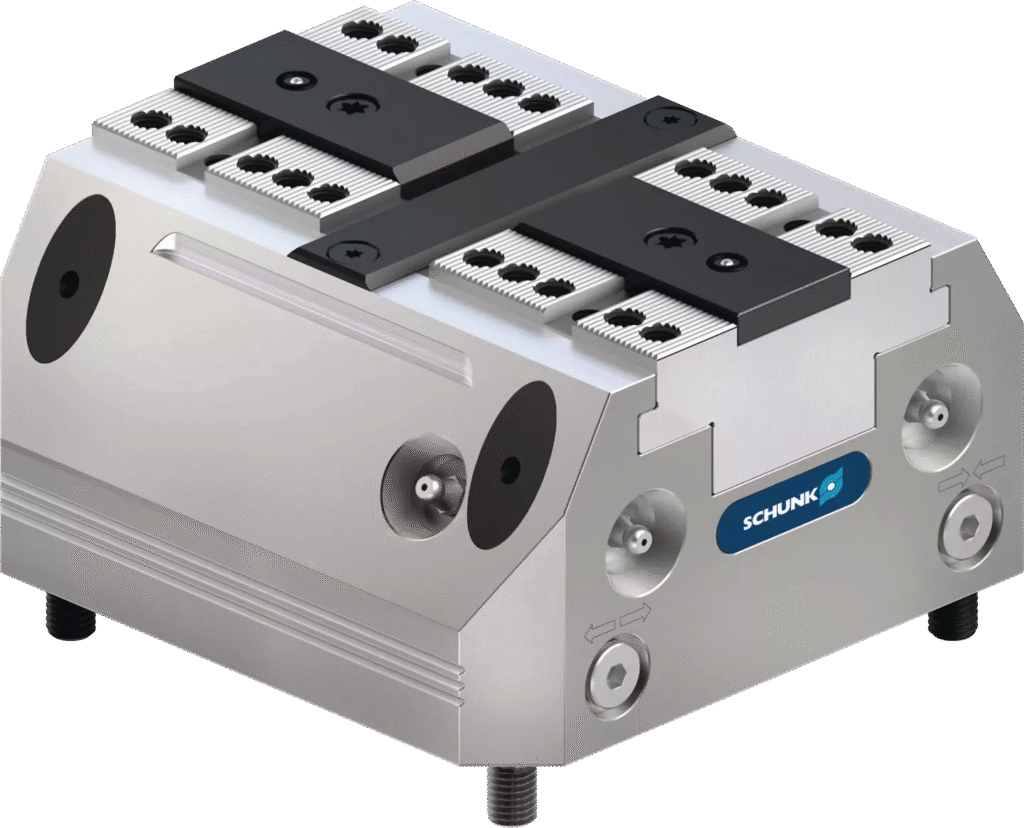
Understanding Pneumatic Clamping in Manufacturing
Pneumatic clamping refers to the use of compressed air to hold or secure a workpiece during machining, assembly, or manufacturing operations. This system uses pneumatic cylinders or actuators that generate force to clamp parts firmly in place.
In many industrial processes, accurate positioning and secure holding of components are essential. Pneumatic clamping ensures that workpieces remain stable during operations such as milling, drilling, welding, and inspection. This prevents movement or misalignment that could affect the quality of the finished product.
Compared to manual clamping methods, pneumatic systems offer faster operation and consistent clamping force. As a result, they are widely used in automated production lines and precision manufacturing environments.
Key Benefits of Pneumatic Clamping Systems
Manufacturers choose pneumatic clamping systems for several reasons that directly contribute to improved production efficiency.
Faster Production Cycles
One of the major advantages of pneumatic clamping is the ability to perform quick clamping and unclamping operations. This reduces downtime between manufacturing steps and increases overall productivity.
Consistent Clamping Force
Unlike manual systems, pneumatic clamps provide consistent pressure on the workpiece. This uniform force helps maintain precision and ensures high-quality manufacturing results.
Improved Operator Safety
By automating the clamping process, pneumatic clamping reduces the need for manual handling of heavy or sharp components. This improves safety for workers on the production floor.
Compatibility with Automation Systems
Pneumatic systems integrate easily with automated machines, sensors, and robotic systems. This compatibility makes them ideal for modern smart factories and high-speed production lines.
Applications of Pneumatic Clamping
The versatility of pneumatic clamping allows it to be used across a wide range of industries and manufacturing applications.
CNC Machining
In CNC machining processes, components must remain securely fixed to ensure precise cutting operations. Pneumatic clamps provide stable workholding that supports accurate machining.
Welding and Assembly
Manufacturing operations such as welding and assembly require consistent positioning of parts. Pneumatic clamping systems hold components firmly in place during these processes.
Quality Inspection
During inspection and measurement procedures, workpieces must remain stable. Pneumatic clamps help ensure accurate evaluation of components.
Automotive Manufacturing
The automotive industry relies heavily on pneumatic clamping systems for tasks such as body assembly, component machining, and automated production.
Understanding the Pneumatic Gripper for Robotic Arm
While clamping systems secure workpieces, robotic grippers handle and manipulate components within automated environments. A pneumatic gripper for robotic arm is a device that uses compressed air to open and close gripping jaws, allowing robots to pick up, hold, and move objects.
In automated manufacturing facilities, robots are commonly used for tasks such as material handling, packaging, assembly, and machine loading. A pneumatic gripper for robotic arm enables these robots to interact with objects efficiently and accurately.
These grippers are designed with durable materials and precise mechanisms to ensure reliable operation even in demanding industrial environments.
Advantages of the Pneumatic Gripper for Robotic Arm
A pneumatic gripper for robotic arm provides several important benefits for modern manufacturing operations.
High-Speed Operation
Pneumatic grippers operate quickly, making them ideal for high-speed automation tasks such as pick-and-place operations.
Reliable Performance
Compressed air systems offer dependable performance with minimal mechanical complexity. This makes a pneumatic gripper for robotic arm highly reliable in industrial environments.
Lightweight Design
Many pneumatic grippers are lightweight, which helps maintain the speed and efficiency of robotic arms during operation.
Precision Handling
A well-designed pneumatic gripper for robotic arm ensures accurate handling of components, reducing the risk of product damage during automated processes.
Read also: Industrial Automation with Hydraulic Workholding and Hydraulic Clamping Devices
Applications of Pneumatic Grippers in Automation
The pneumatic gripper for robotic arm is widely used in automated manufacturing systems where precise and efficient material handling is required.
Pick-and-Place Operations
Robots equipped with pneumatic grippers are commonly used to pick items from one location and place them in another, particularly in packaging and assembly lines.
Machine Tending
In machine tending operations, robots load and unload components from machines such as CNC equipment. A pneumatic gripper for robotic arm enables safe and efficient handling of parts.
Assembly Processes
During automated assembly, robotic grippers handle small components and position them accurately for installation.
Packaging and Logistics
Industrial robots with pneumatic grippers are frequently used in packaging facilities to sort, stack, and package products.
Choosing the Right Pneumatic System
Selecting the appropriate pneumatic clamping system or pneumatic gripper for robotic arm depends on several factors.
Workpiece Size and Shape
The dimensions and geometry of components determine the type of clamp or gripper required.
Required Clamping or Gripping Force
Manufacturers must ensure that the system provides sufficient force to hold or handle components securely.
Production Speed
High-speed production lines may require faster pneumatic systems to maintain operational efficiency.
Environmental Conditions
Industrial environments such as high temperatures, dust, or moisture may require specially designed pneumatic components.
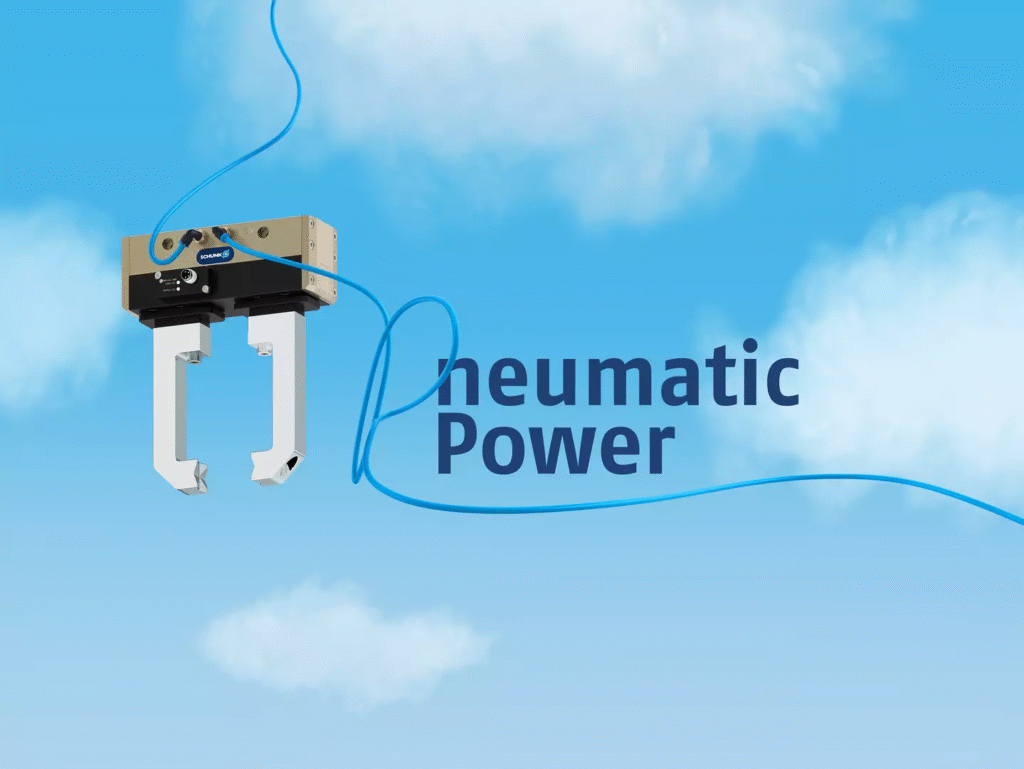
The Role of Pneumatic Systems in Industry 4.0
The rise of Industry 4.0 has introduced smarter manufacturing technologies that integrate automation, data analytics, and intelligent machines. In these advanced systems, pneumatic clamping and pneumatic gripper for robotic arm technologies play a critical role in ensuring seamless automation.
Modern factories increasingly rely on robotics and automated equipment to improve productivity and reduce operational costs. Pneumatic systems support these advancements by providing reliable, fast, and efficient mechanical operations.
In addition, smart sensors and control systems can now monitor pneumatic components, allowing manufacturers to track performance and perform predictive maintenance. This reduces downtime and improves the overall efficiency of automated systems.
Conclusion
Automation and robotics have become essential components of modern manufacturing. Technologies such as pneumatic clamping and the pneumatic gripper for robotic arm play a key role in ensuring precision, efficiency, and reliability in industrial operations.
From securing workpieces during machining to enabling robotic systems to handle materials accurately, these pneumatic solutions help manufacturers achieve higher productivity and better product quality. As industries continue to adopt advanced automation technologies, the importance of reliable pneumatic systems will continue to grow.
Companies like Schunk are recognized for providing innovative automation solutions, including advanced gripping and clamping technologies that support modern manufacturing processes and help industries achieve greater efficiency and precision.

