


Being patient, getting the right amount of rest, and taking care of your surgical wound daily will all greatly influence the speed at which you heal after having surgery, as well as the chance for you to develop an infection and how bad your scar will be. Even though no two surgeries are the same, employing safe post-surgical wound care in Dallas provides the body with optimal conditions to heal more quickly and more comfortably. Knowing how to clean, protect, and observe your wound goes a long way to help make your recovery experience smoother.
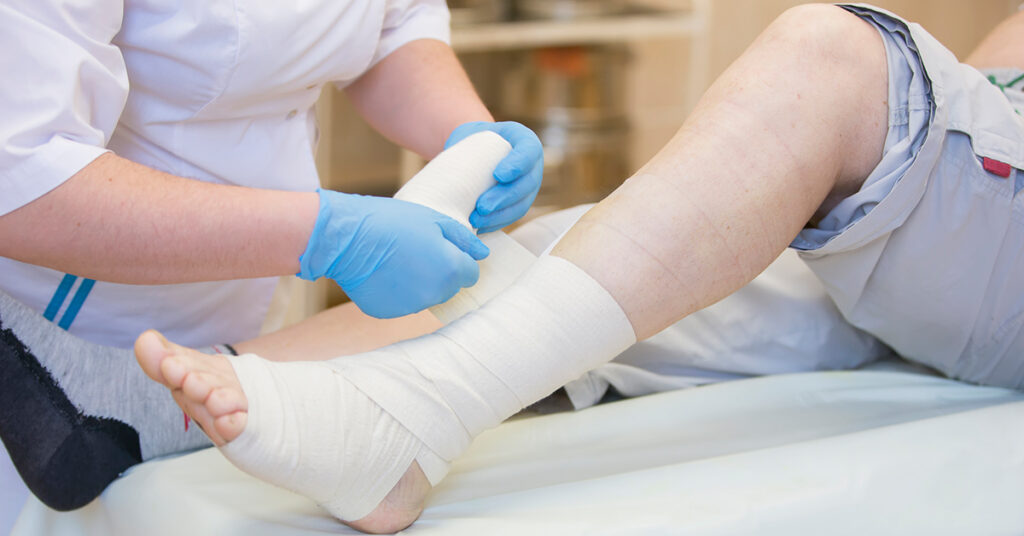
Keep the Wound Clean and Dry
Cleaning the surgical wound properly is the single most important thing you can do to provide post-surgical wound care. A wound that is clean will not generate bacteria on or around it, which reduces your chances of developing an infection. Use only the recommended cleaning solutions or medications provided to you by your surgeon, as using a cleaning solution or medication other than those recommended can irritate your skin and delay your healing. Unless your doctor specifically tells you that soaking your wound in water is permitted, you should try not to do so. When there is a lot of trapped moisture in the area of your incision, it creates an environment where bacteria can grow; therefore, keeping your wound dry is just as important to ensure proper healing.
Follow the Dressing Change Instructions Carefully
The purpose of a surgical dressing is to keep the wound clean from dirt, germs, and unintentional irritation. Changing the dressing on a regular and proper schedule will assist in assuring a successful and healthy healing process. Your health care provider will provide you with instructions on how often to change a dressing. Some wounds will require a daily change, while others will require less frequent changes. As instructed, sterile gauze, adhesive tape, or pads for the wound area should be used for the dressing materials. Never reuse a dressing as it may contain bacteria. When you are changing the dressing, always assess the condition of the wound for excessive redness, swelling, discharge, or odor. These signs may indicate that the wound is infected and should be reported to a health care professional as soon as possible.
Eat Nutrient-Rich Foods for Better Healing
A well-balanced diet with plenty of protein, vitamins, and minerals will promote faster healing of the wound. Protein serves as the building block for the tissue; Vitamin C will help strengthen your immune system and create collagen. Foods that will help you heal after surgery include eggs, fish, lean meats, nuts, fruits, green leafy vegetables, and dairy products. It is also crucial to drink lots of water to keep the body hydrated. Staying hydrated will assist the body in moving nutrients around within the body and prevent dehydration. Avoid foods high in sugar, processed snack foods, and alcohol, as they may slow the healing process. Eating a balanced diet will give your body the energy and nutrients required for effective surgical recovery.
Avoid Excessive Movement and Strain
Although moderate exercise may promote circulation, an excessive amount of exercise may place additional stress on your surgical site and thus impede healing. It is important to avoid lifting heavy items, bending over frequently, or doing vigorous exercise until you have been cleared by your physician. Sudden movement or pressure around the site of incision could cause reopening of the wound and/or bleeding from the surgical site. Your healthcare provider may recommend limited activity for a period of time, depending on the specific type of surgery performed. However, most surgeons will encourage light walking, as this will enhance blood circulation and minimize the chance of a blood clot developing.
Monitor for Signs of Infection Daily
After surgery, it is common to have mild to moderate redness and/or swelling in the area of the incision, but if either becomes progressively worse, you will need to contact your physician. Symptoms of infection include increased level of pain, heat around the incision, yellowish or greenish discharge from the incision, fever, and foul-smelling odor coming from the incision. If you experience a sudden increase in the amount of swelling or bleeding from your incision, it is very important that you contact your physician immediately. By monitoring your recovery on a daily basis, you will be able to catch minor issues before they become major complications. Taking pictures of your incision every few days may also help with tracking healing and providing your physician with useful information during reevaluation appointments.
The Final Thoughts
The way in which you care for your wound includes: keeping your wound clean, using the correct technique when changing dressings, eating properly, taking prescribed medications, getting enough rest, and evaluating your wound regularly for signs of infection. The completion of the above list is essential in enhancing your body’s capacity to heal after surgery. Your surgeon should provide you with specific post-operative instructions, which you should follow faithfully; however, the general principles of wound care will assist in reducing the possibility of complications or an unexpected delay in your ability to recover as anticipated.

