


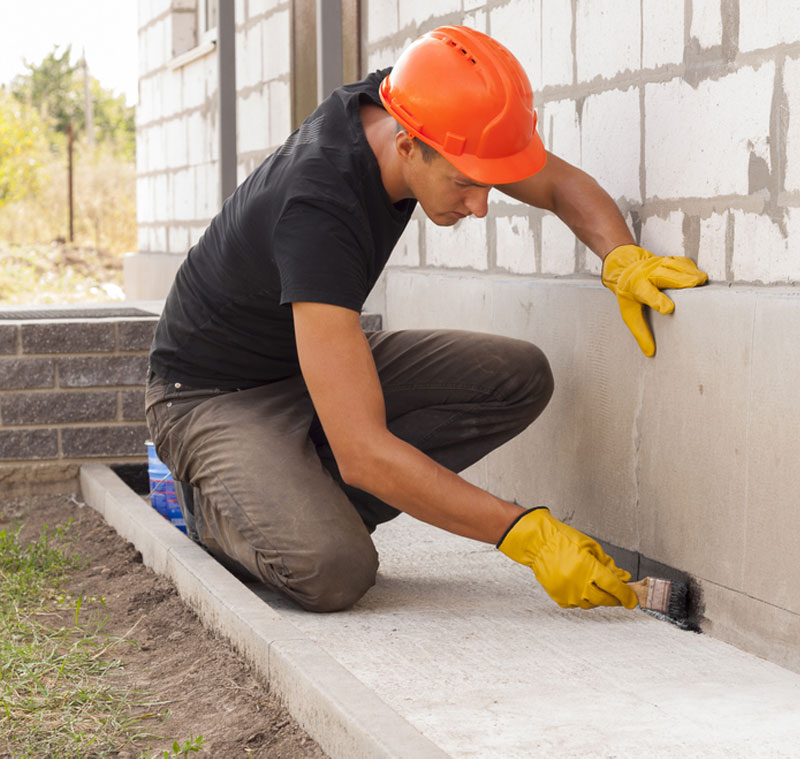
Maintaining masonry structures is vital for both homes and commercial properties. Weather conditions, moisture, and age can gradually weaken brick and stone surfaces. Engaging a New Jersey masonry contractor for routine checks can prevent minor issues from turning into expensive repairs. Timely attention to visible cracks, loose mortar, or water damage helps maintain structural integrity and preserves property value, ensuring the building remains safe and aesthetically appealing.
The Most Common Masonry Problems
Cracked bricks, deteriorating mortar joints, water intrusion, spalling, and leaning walls represent frequent masonry challenges. Each issue poses a risk to the building’s stability. Cracks can expand over time, while water infiltration accelerates decay. Identifying which problem exists allows proper repair techniques to be applied, whether it involves brick replacement, mortar repointing, or sealing water entry points. Routine evaluation prevents these issues from escalating.
Signs That Masonry Damage Should Not Be Ignored
Visible warning signs include wall cracks, missing mortar, loose bricks, white staining, bowing walls, and water leaks. Ignoring these indicators may lead to severe structural damage. Cracks wider than a quarter inch, or stair-step patterns in brickwork, often indicate foundation movement. White staining or efflorescence signals moisture penetration. Prompt inspection and repair reduce long-term maintenance costs and maintain the building’s structural strength.
Main Causes of Masonry Deterioration
Harsh weather, freeze-thaw cycles, and moisture penetration are primary factors in masonry wear. Poor drainage and foundation movement worsen damage over time. Using low-quality construction materials can also shorten a structure’s lifespan. Identifying the root cause is crucial for effective repairs. Addressing environmental and structural issues, like redirecting water away from foundations or reinforcing walls, protects masonry surfaces and extends their functional life.
How to Inspect Masonry for Early Damage
Property owners can monitor brick walls, chimneys, retaining walls, patios, and foundations for early signs of damage. Check for hairline cracks, shifting bricks, spalling surfaces, or water seepage. Observing mortar joints for erosion provides insight into structural integrity. Regular inspections allow small issues to be treated before they worsen, reducing the likelihood of costly repairs and preserving safety. Routine visual checks maintain building longevity.
Effective Repair Methods for Common Masonry Issues
Repointing damaged mortar joints restores stability and prevents water intrusion. Cracked or broken bricks should be replaced to maintain wall strength. Sealing water entry points protects against moisture damage. Chimney crowns and caps require repair to avoid leaks and internal deterioration. Leaning or bulging walls must be reinforced to prevent collapse. Addressing foundation-related cracks stops progressive structural failure, keeping masonry structures safe and durable.
Importance of Hiring a Professional Masonry Expert
Professional contractors possess the experience, tools, and knowledge to identify hidden issues. They can assess damage accurately and implement long-lasting repairs safely. Attempting repairs without expertise may lead to improper fixes or further deterioration. Engaging a qualified New Jersey masonry contractor ensures compliance with building codes, reliable repair methods, and structural longevity, protecting both the property and its occupants.
Preventive Maintenance Tips for Masonry Structures
Regular cleaning prevents dirt and mold buildup on masonry surfaces. Applying sealants limits water penetration. Gutter maintenance and improved drainage reduce moisture exposure. Annual inspections identify minor damage early. Prompt attention to minor cracks, loose bricks, or mortar erosion prevents costly repairs. Maintaining landscaping to direct water away from walls and foundations strengthens masonry and helps sustain appearance and durability.
Conclusion
Identifying masonry issues early and applying correct repair techniques safeguards both residential and commercial buildings. Timely repointing, brick replacement, water sealing, and professional interventions maintain strength and appearance. Routine inspections and preventive care protect structural integrity, avoid expensive damage, and extend the life of masonry structures. Engaging experienced New Jersey masonry contractors guarantees lasting results and ensures properties remain safe and visually appealing.
FAQs
How often should masonry inspections occur?
Conduct annual inspections to identify minor damage early and prevent further deterioration.
What causes white staining on brick walls?
White staining, or efflorescence, results from moisture drawing salts out of masonry.
Can damaged mortar be repaired without replacing bricks?
Yes, repointing eroded mortar restores stability while keeping existing bricks intact.
When should a chimney be repaired?
Repair is necessary if cracks, water leaks, or crown deterioration appear.
Why hire a professional masonry contractor?
Professionals provide accurate assessments, proper repairs, and ensure long-term structural safety.

