


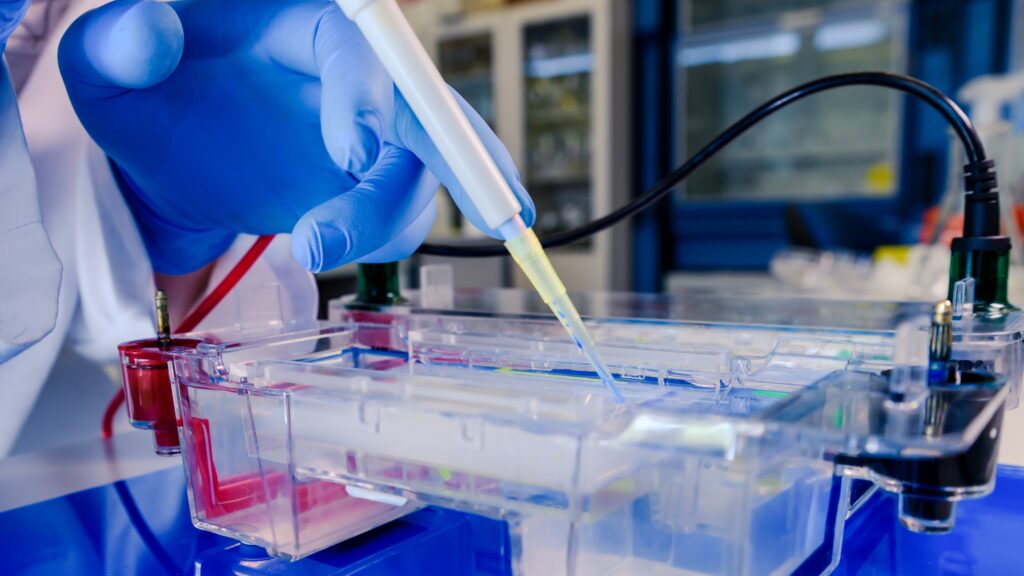
When you’re working in antibody research or biopharmaceutical development, achieving high purity is not just a goal—it’s a requirement. Contaminants, nonspecific proteins, and inconsistent yields can compromise your results and slow down your workflow. That’s where Protein G column technology becomes essential. By choosing the right purification method, you can significantly improve both the quality and reliability of your antibody preparations.
Understanding the Role of Protein G in Purification
Protein G is a bacterial cell wall protein known for its strong and selective binding affinity to the Fc region of immunoglobulin G (IgG). When you use a column packed with Protein G resin, you create a highly specific environment where antibodies bind efficiently while unwanted proteins are washed away.
This specificity is what makes Protein G Column Antibody Purification so effective. Unlike less selective methods, Protein G columns minimize background interference and allow you to isolate antibodies with exceptional clarity. As a result, you gain more confidence in downstream applications such as ELISA, Western blotting, or therapeutic development.
Why You Should Use Protein G Columns
If you want consistent, high-quality purification results, Protein G columns offer several advantages:
High Binding Specificity: Protein G targets IgG subclasses with precision, reducing contamination.
Improved Yield: Efficient binding ensures you recover more of your target antibody.
Scalability: Suitable for both small lab experiments and large-scale production.
Reproducibility: Standardized protocols lead to consistent outcomes.
When you implement this method correctly, you can streamline your workflow and eliminate many common purification challenges.
Step-by-Step: How You Ensure Purity
To get the most out of your purification process, you need to follow a structured approach:
Sample Preparation
Start by clarifying your sample through centrifugation or filtration. Removing debris early prevents column clogging and improves binding efficiency.
Column Equilibration
Equilibrate the Protein G column with an appropriate buffer. This step ensures optimal pH and ionic conditions for antibody binding.
Antibody Binding
Load your sample onto the column. Protein G selectively binds to IgG molecules, allowing other proteins to pass through.
Washing
Wash the column thoroughly to remove nonspecific or weakly bound contaminants. This is where purity begins to take shape.
Elution
Elute your antibody using a low pH buffer. This disrupts the Protein G-IgG interaction and releases your purified antibody.
Neutralization and Storage
Immediately neutralize the eluate to maintain antibody stability, then store under recommended conditions.
By carefully executing each step, you ensure that your final product is both pure and functional.
How Purity Impacts Your Results
You might wonder why purity matters so much. The answer lies in application sensitivity. Impurities can:
- Interfere with antigen-antibody interactions
- Produce false positives or inconsistent data
- Reduce therapeutic effectiveness
With Protein G Column Antibody Purification, you significantly reduce these risks. You’re not just purifying antibodies—you’re protecting the integrity of your research.
Choosing the Right Partner for Better Results
While the technique itself is powerful, the quality of your materials and support system also plays a major role. Working with a reliable provider ensures you get optimized protocols, high-performance resins, and expert guidance.
For example, you can explore advanced solutions from Protein G Column Antibody Purification for high-purity IgG isolation to improve your lab outcomes.
Additionally, partnering with Lytic Solutions, LLC for professional protein purification support gives you access to tailored services that align with your research needs. This can make a noticeable difference in efficiency and reproducibility.
Common Mistakes You Should Avoid
Even with a strong method like Protein G purification, mistakes can affect your results. Be mindful of:
Incorrect pH levels: This can weaken binding or damage antibodies
Overloading the column: Leads to reduced efficiency and lower purity
Insufficient washing: Leaves contaminants behind
Delayed neutralization: Can denature your antibody
Avoiding these pitfalls helps you maintain consistency and achieve better outcomes every time.
When Should You Use Protein G Over Protein A?
You may be deciding between Protein A and Protein G. While both are widely used, Protein G is often preferred when:
- You are working with a broader range of IgG subclasses
- Your antibodies have weaker affinity for Protein A
- You require higher binding efficiency under varying conditions
By selecting Protein G, you gain flexibility and improved performance in many experimental setups.
Final Thoughts
When you prioritize purity, you elevate the quality of your entire research process. Protein G column purification gives you a reliable, efficient, and scalable method to isolate antibodies with precision. By following best practices and choosing the right support, you can consistently produce high-purity antibodies that meet your exact requirements.
FAQ: Protein G Column Antibody Purification
What makes Protein G better for antibody purification?
Protein G offers strong and selective binding to IgG, especially across multiple subclasses, resulting in higher purity and better recovery compared to less specific methods.
Can you reuse a Protein G column?
Yes, you can reuse it multiple times if you properly clean, regenerate, and store the column according to recommended protocols.
What pH is used for antibody elution?
Typically, a low pH buffer (around pH 2.5–3.0) is used to elute antibodies, followed by immediate neutralization.
Is Protein G suitable for all antibodies?
Protein G works well with most IgG antibodies, but binding affinity may vary depending on species and subclass.
How do you maintain antibody stability after purification?
You should neutralize the eluate immediately, use stabilizing buffers, and store the antibody at appropriate temperatures to prevent degradation.
What industries use Protein G purification?
It is widely used in biotechnology, pharmaceuticals, academic research, and diagnostic development where antibody purity is critical.

