


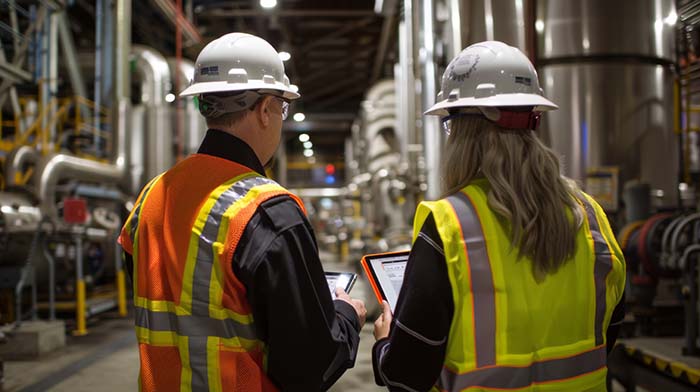
Risk management has become central to effective workplace safety strategies. Organizations increasingly rely on OSHA Consulting Services to navigate compliance, prevent accidents, and safeguard employees. By integrating risk management into consulting, companies gain the foresight to address hazards before they escalate. Modern safety consulting emphasizes proactive planning over reactive measures, providing measurable outcomes. Prioritizing prevention improves employee safety, operational efficiency, and regulatory compliance. Understanding the role of risk management highlights how structured strategies, preparation, and expert guidance shape safer workplaces.
The Evolving Role of Safety Consulting
Safety consulting has shifted from focusing on compliance and post-incident reviews to proactive prevention and continuous improvement. Risk management enables consultants to pinpoint vulnerabilities, anticipate hazards, and implement targeted mitigation strategies. Modern consulting combines technology, data-driven insights, and cultural assessments to ensure comprehensive safety solutions. This approach strengthens organizational resilience and reduces operational risks. Companies adopting risk-focused consulting gain better oversight of workplace hazards, improve adherence to regulations, and foster a culture where safety is integrated into daily operations, rather than treated as a separate compliance requirement.
Key Risk Management Strategies in Safety Consulting
Modern safety consultants implement structured approaches to reduce workplace hazards, including:
- Conduct thorough hazard assessments for potential risks.
- Develop safety protocols tailored to specific operations.
- Implement emergency preparedness and response plans.
- Monitor workplace conditions and compliance continuously.
- Provide employee training to recognize and address hazards effectively.
These strategies allow organizations to minimize risks, maintain compliance, and encourage a culture of safety awareness across all levels of operations.
Data-Driven Risk Assessment
Data analytics has transformed how risks are identified and managed. Consultants leverage incident reports, real-time monitoring, and predictive models to anticipate hazards accurately. Visualization tools help management understand complex risk patterns and prioritize areas of concern. Data-driven assessments also guide resource allocation, ensuring attention focuses on high-risk areas. Integrating analytics into safety consulting allows organizations to make informed decisions, reduce workplace accidents, and improve operational efficiency. Using these insights, companies can proactively manage risks rather than responding only after incidents occur.
Compliance and Regulatory Alignment
Risk management ensures organizations consistently meet regulatory requirements set by agencies such as OSHA. Safety consulting helps transform compliance from a one-time checklist into an ongoing process. Consultants assist businesses in documenting procedures, tracking metrics, and maintaining standards across operations. Aligning risk management with regulations reduces the likelihood of fines, violations, and operational disruptions. Organizations that integrate compliance into proactive safety measures also strengthen accountability, foster employee trust, and maintain safer work environments, ensuring both legal and operational standards are consistently upheld.
Shaping Organizational Safety Culture
Embedding risk awareness into organizational culture is a key component of modern safety consulting. Consultants emphasize leadership engagement, transparent communication, and employee participation in safety initiatives. A strong safety culture encourages reporting, proactive hazard identification, and shared responsibility for workplace well-being. Organizations that invest in cultural alignment see fewer incidents, increased morale, and higher productivity. Risk management supports this shift by providing structured strategies and measurable goals, turning safety from a regulatory obligation into a shared value embraced by all employees.
Technological Innovations in Risk Management
Technology plays a vital role in modern safety consulting. Solutions such as wearable sensors, automated reporting systems, and cloud-based platforms provide real-time insights into workplace conditions. Predictive analytics can detect patterns invisible to human observation, identifying potential incidents early. These tools improve response time, reduce accidents, and support data-driven decisions. Remote access to safety information enables cross-departmental collaboration and continuous monitoring. Technology empowers organizations to implement adaptive, precise, and scalable safety solutions, transforming how risk management integrates into daily operations.
Measuring the Impact of Risk Management
Evaluating the effectiveness of risk management is critical to continuous improvement. Consultants use metrics like incident rates, near-miss reports, audit compliance, and employee engagement scores to assess performance. Benchmarking against industry standards highlights areas for improvement. Tracking outcomes ensures safety initiatives remain relevant, and resources are allocated efficiently. Continuous measurement allows organizations to refine risk management practices, mitigate emerging hazards, and maintain a proactive approach. Data-driven assessment ensures long-term sustainability of safety programs while reinforcing accountability and operational reliability.
Conclusion
Risk management forms the foundation of modern safety consulting. Through regulatory compliance, data analytics, technological solutions, and cultural integration, organizations achieve safer work environments. Prioritizing proactive risk mitigation reduces incidents, improves efficiency, and fosters a resilient workplace. Consulting services guided by risk management principles empower companies to address hazards strategically and maintain employee well-being. Integrating risk awareness into operations ensures sustainable, measurable results while building a culture where safety is not only regulated but valued at every organizational level.

