


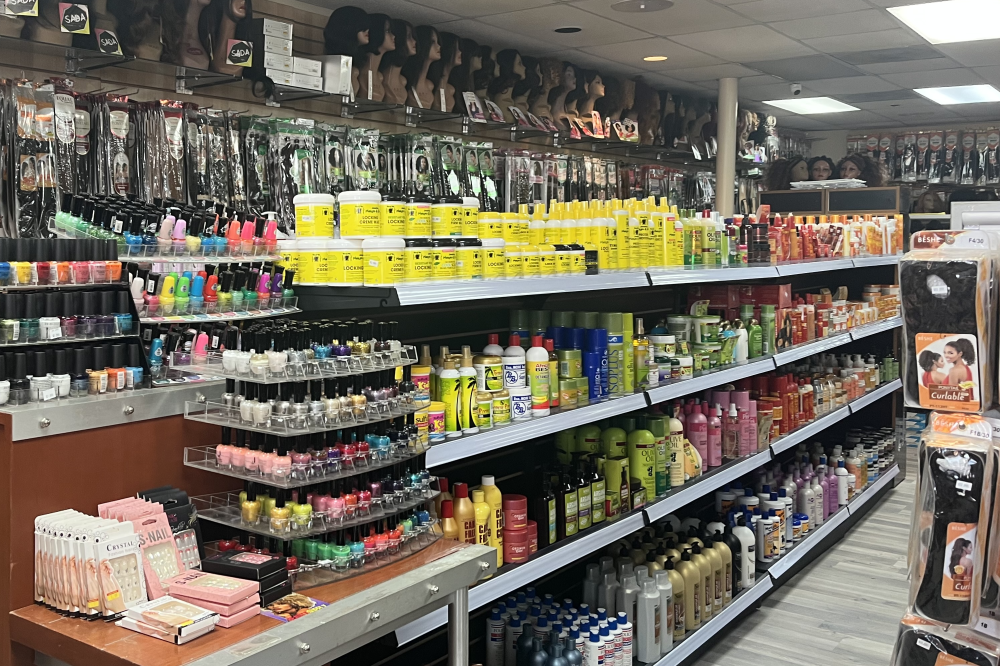
Choosing suitable beauty products requires careful evaluation due to the wide range of options available in online beauty supply store and retail markets. Attractive packaging, discounts, and promotional claims often shift attention away from actual formulation quality. A structured comparison process helps identify products that truly support skin health and deliver visible results. Understanding ingredients, brand reputation, and product performance ensures better decision-making. This approach reduces the risk of skin irritation, wasted money, and ineffective skincare routines while improving long-term satisfaction with every purchase decision.
Understand Ingredient Lists and Their Purpose
Ingredient evaluation forms the foundation of product comparison and helps determine real effectiveness. High-quality formulations usually place active ingredients near the top of the list, indicating higher concentration levels. Ingredients such as niacinamide, hyaluronic acid, and natural plant oils often provide targeted skin benefits. Short and transparent ingredient lists generally reflect better formulation control. Excessive fillers, synthetic fragrances, and harsh alcohol content may reduce product safety. Careful reading of labels helps identify whether a product delivers functional skincare benefits or relies mainly on marketing claims without real performance value.
Check Brand Transparency and Reputation
Brand transparency plays a strong role in identifying reliable beauty products. Companies that clearly explain sourcing, formulation methods, and testing procedures usually demonstrate higher accountability. Reliable brands provide accurate product descriptions and avoid exaggerated claims. Customer feedback also contributes valuable insight, especially detailed reviews based on real usage experiences. Consistent performance across multiple product lines reflects strong formulation standards. Brands that respond to concerns and maintain open communication build trust, making it easier for buyers to compare options and select dependable skincare solutions.
Evaluate Product Packaging and Shelf Life
Packaging quality directly affects product stability and long-term effectiveness. Air-tight containers, pump dispensers, and dark glass bottles help protect sensitive ingredients from exposure to air, light, and contamination. Poor packaging can reduce potency over time, making the product less effective before completion. Expiration dates and usage period symbols should always be checked before purchase. Strong packaging design also supports hygiene and ease of use. Well-structured packaging reflects attention to detail in product development and ensures consistent performance from first application to final use.
Compare Texture, Absorption, and Performance
Texture and absorption provide clear indicators of product quality and formulation balance. Lightweight serums and creams that absorb quickly often reflect well-designed formulations suitable for daily use. Heavy or greasy textures may not suit all skin types and can signal imbalance in formulation structure. Smooth application and quick absorption improve user experience and consistency in skincare routines. Skin response after use reveals product effectiveness, including hydration, smoothness, and clarity. A quality product delivers visible improvement without causing irritation, dryness, or breakouts over regular use.
Key Factors To Compare Before Buying
Careful comparison requires a structured checklist to evaluate multiple aspects of beauty products efficiently. A clear set of criteria helps avoid confusion and supports better purchase decisions.
- Ingredient quality and concentration levels
- Compatibility with specific skin types
- Texture, absorption, and application experience
- Brand reputation and transparency standards
- Packaging quality and ingredient protection
- Price in relation to long-term value
- Verified customer reviews with detailed feedback
Each factor contributes to a complete understanding of product performance. Using these points as a guide helps simplify selection and ensures better alignment with skincare needs and expectations.
Assess Price Versus Value
Price evaluation should focus on value rather than cost alone. Higher pricing does not always indicate superior quality, as some affordable products contain effective ingredients and deliver strong results. Cost per use provides a more accurate measure of value compared to retail price alone. Long-lasting formulations that deliver consistent benefits often prove more economical over time. Paying attention to ingredient strength and product efficiency helps avoid unnecessary spending. A balanced approach ensures better financial decisions while maintaining effective skincare performance.
Look For Certifications and Testing Standards
Certifications provide additional confidence regarding product safety and quality assurance. Labels such as dermatologist-tested, cruelty-free, or organic indicate adherence to specific standards. These certifications help filter products that meet recognized safety guidelines. Reliable brands often conduct clinical or laboratory testing to confirm product effectiveness and skin compatibility. While certifications do not guarantee perfection, they offer helpful guidance during comparison. Reviewing these standards supports better decision-making and helps identify products that meet basic quality and safety expectations in the beauty industry.
Consider Your Skin Type and Personal Needs
Skin type analysis plays a major role in selecting suitable beauty products. Oily, dry, combination, and sensitive skin types each require different formulations for optimal results. Products designed for specific concerns often perform more effectively than general-purpose options. Matching ingredients with personal skin needs reduces irritation risk and improves overall results. Understanding individual requirements ensures better product compatibility and long-term satisfaction. Personalized selection remains essential for building an effective skincare routine that supports healthy, balanced, and glowing skin.
Analyze Product Claims Carefully
Marketing claims often highlight benefits that may not fully reflect real performance. Terms such as natural, clean, or premium require deeper evaluation beyond surface-level descriptions. Ingredient lists and testing evidence provide more reliable information about product quality. Realistic claims typically focus on gradual improvement rather than instant transformation. Careful analysis of product descriptions helps separate genuine effectiveness from promotional language. Critical evaluation ensures smarter purchasing decisions and prevents disappointment caused by misleading or exaggerated marketing statements in beauty advertising.
Test Before Full Commitment
Sample testing offers a practical way to evaluate product compatibility before full purchase. Small-size versions or testers allow observation of skin reactions over time without financial risk. Monitoring hydration, texture changes, and overall skin response provides valuable insight into product suitability. Gradual testing helps identify potential irritation or improvement patterns. Patch testing is especially important for sensitive skin types. This step ensures safer product selection and reduces the chance of adverse reactions, making it an essential part of the comparison process.
Conclusion
Comparing beauty product quality requires a structured and thoughtful approach focused on ingredients, packaging, brand trust, and performance. Each factor contributes to overall effectiveness and skin compatibility. Price evaluation combined with value assessment ensures smarter spending decisions. Understanding personal skin needs further improves product selection accuracy. Careful analysis reduces risk of ineffective purchases and enhances skincare results. A consistent comparison method supports healthier skin outcomes and builds confidence in choosing beauty products that deliver reliable, long-term benefits.

