


Books don’t usually look fragile, which is why they’re often packed a bit too casually. A quick wrap, a spare box, some tape—and off they go. But by the time they reach their destination, corners are bent, covers are marked, or the edges look worn.
It rarely comes from one big mistake. It’s the small things—movement inside the box, pressure from stacking, or even a slightly oversized carton—that cause most of the damage.
Packing books properly isn’t complicated. It just needs a bit of attention at the right points.
Why Do Books Get Damaged So Easily in Transit?
Books are solid, but they’re not built to handle constant friction. When there’s space inside the box, they shift. When they shift, edges rub. Over time, that’s enough to cause visible wear.
In warehouse packing lines, this is one of the most common issues. Books that leave in perfect condition can arrive looking used simply because they weren’t properly held in place.
Using well-sized postal boxes helps control that movement right from the start.
What Should Be Checked Before Packing?
Before anything goes into a box, it’s worth taking a moment to check the condition. Books should be dry, clean, and free from loose dust. If the cover is already slightly lifted or the spine feels weak, it needs extra care during packing.
Grouping books by size also makes a difference. Mixing large and small books in the same box often creates gaps, and gaps are where problems begin.
Which Materials Actually Make a Difference?
Strong Outer Support
The box itself carries most of the responsibility. If it bends or loses shape, everything inside is at risk.
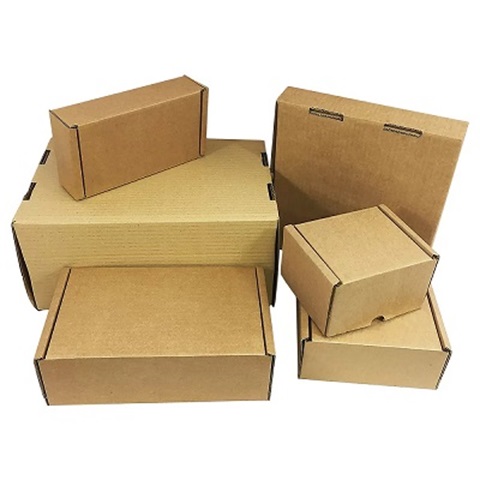
That’s why cardboard postal boxes are commonly used for book shipments. They hold their form better, especially when other parcels are stacked on top during transit.
Light Internal Protection
Books don’t need heavy padding, but they do need to stay still.
Simple materials—like paper fill or light wrapping—are enough to keep them from shifting. The aim isn’t to cushion them like glass, but to stop them from moving at all.
Everyday Packing Essentials
Having basic packaging supplies ready makes the process smoother. Tape, filler, and protective wrap don’t seem like much, but without them, packing becomes inconsistent.
In busy packing environments, these small details are what separate a secure parcel from a damaged one.
How Should Books Be Wrapped?
There’s no need to overdo it, but a little protection goes a long way.
For single books:
- Wrap them in paper or a light protective layer
- Pay attention to the corners
- Keep the wrap neat so it doesn’t add bulk
For multiple books:
- Wrap them individually if they’re likely to rub against each other
- Stack them flat rather than upright
In book fulfilment setups, overpacking is avoided because it increases size without improving protection.
How Do You Place Books Inside the Box?
This is where many issues start.
- Books should lie flat inside the box. Standing them upright might seem space-saving, but it puts pressure on the spine during movement.
- Once placed inside, there should be very little room left. Any gaps need to be filled so nothing shifts.
- A simple way to check—lift the box and give it a gentle shake. If anything moves, it needs more support.
- Using the right size cardboard boxes makes this step much easier, as there’s less empty space to manage.

Does Box Size Really Matter That Much?
More than expected. A box that’s too large creates unnecessary space. A box that’s too small can press too tightly against the books.
The right fit should:
- Hold the books securely
- Leave just enough room for light padding
- Keep the structure firm when lifted
In shipping operations, standard box sizes are often used for specific items, such as books, to avoid these issues altogether.
How Important Is Properly Sealing the Box?
Sealing is often rushed, but it plays a bigger role than it seems.
If the tape isn’t applied properly, the box can start to open at the seams—especially when it’s being handled multiple times during transit.
A few simple steps help:
- Use strong adhesive tape
- Seal along all openings
- Reinforce the bottom for heavier loads
Well-sealed postal boxes stay intact even when stacked or moved frequently.
What Final Checks Should Be Done Before Shipping?
Before sending the parcel out, a quick check can save a lot of trouble later.
Look for:
- Any movement inside
- Loose or poorly sealed edges
- An uneven feel when lifting the box
In professional packing setups, this step is routine. It’s a quick way to catch small issues before they become bigger problems.
What Do Experienced Packers Focus On?
People who pack books regularly tend to keep things simple. They don’t rely on extra layers or complicated methods.
Their focus stays on:
- Keeping books from moving
- Using boxes that hold their shape
- Sealing everything properly
They know that most damage comes from movement, not impact.
Conclusion
Packing books safely comes down to a few practical steps done properly. A well-fitted box, light but effective wrapping, and careful sealing are usually enough to prevent damage. Using reliable materials like cardboard postal boxes, along with the right packaging supplies and properly sized cardboard boxes, helps keep everything secure from start to finish. When the basics are handled well, books arrive exactly as they were sent.

