


In recent years, many vehicle owners have started paying closer attention to how they maintain their tyres. One trend that has gained significant popularity is the use of nitrogen in tyres instead of regular compressed air. While the idea may seem new to some drivers, nitrogen inflation has been used for decades in aviation and motorsports because of its reliability and performance benefits. Today, it is becoming increasingly common in everyday vehicles as well.
Understanding the advantages, misconceptions, and practical impact of nitrogen in tyres can help drivers make informed decisions about tyre care. At the same time, knowing different tyre types and how they interact with tyre pressure can further improve vehicle performance and safety.

What Is Nitrogen in Tyres?
Normally, tyres are inflated with compressed air, which contains about 78 percent nitrogen, 21 percent oxygen, and small amounts of other gases. When drivers use nitrogen in tyres, the air inside the tyre is replaced with nearly pure nitrogen gas.
Nitrogen molecules are larger and more stable than oxygen molecules, which means they escape more slowly through the rubber structure of the tyre. As a result, tyres filled with nitrogen tend to maintain their pressure for a longer period compared to tyres filled with regular air.
This simple difference can have a meaningful impact on tyre life, vehicle safety, and fuel efficiency.
Key Benefits of Nitrogen in Tyres
1. Better Tyre Pressure Stability
One of the biggest advantages of using nitrogen in tyres is improved pressure stability. Tyre pressure naturally fluctuates due to temperature changes and air leakage. Nitrogen gas leaks more slowly than oxygen, helping tyres maintain consistent pressure for longer periods.
Stable tyre pressure is essential for safe driving, improved braking, and better handling.
2. Longer Tyre Life
Oxygen and moisture present in compressed air can contribute to internal tyre degradation over time. Nitrogen is dry and does not react with rubber or metal components inside the tyre. By reducing oxidation, nitrogen in tyres can help extend tyre life and maintain structural integrity.
This is especially beneficial for high-performance vehicles and long-distance drivers.
3. Improved Fuel Efficiency
Underinflated tyres create higher rolling resistance, which forces the engine to work harder and consume more fuel. Since nitrogen in tyres helps maintain proper pressure for longer, it reduces the chances of underinflation. This can contribute to better fuel efficiency over time.
While the improvement may not be dramatic, consistent tyre pressure can make a noticeable difference in long-term fuel costs.
4. Reduced Temperature Fluctuation
Nitrogen is less affected by temperature changes compared to compressed air. During long drives or high-speed conditions, tyres can heat up significantly. Nitrogen in tyres helps maintain more stable pressure levels under these conditions, making it a popular choice in racing and commercial transportation.
5. Better Overall Safety
Maintaining proper tyre pressure is directly linked to vehicle safety. When tyres stay properly inflated, they provide better traction, braking performance, and steering control. This makes nitrogen in tyres a practical choice for drivers who want to improve overall road safety.
Common Myths About Nitrogen in Tyres
Despite its advantages, several myths surround the use of nitrogen for tyre inflation. Understanding the truth behind these misconceptions can help drivers make more confident decisions.
Myth 1: Nitrogen Completely Eliminates Pressure Loss
While nitrogen in tyres leaks more slowly than air, it does not eliminate pressure loss. Tyres still require regular pressure checks to ensure optimal performance and safety.
Myth 2: Nitrogen Is Only for High-End Cars
Another common misconception is that nitrogen inflation is only useful for luxury or performance vehicles. In reality, any vehicle can benefit from nitrogen in tyres, including everyday cars, motorcycles, and commercial vehicles.
Myth 3: Mixing Air and Nitrogen Is Dangerous
If a tyre filled with nitrogen needs to be topped up and nitrogen is unavailable, regular air can safely be used. While pure nitrogen provides the best benefits, mixing air with nitrogen does not create any safety issues.
The Role of Tyre Types in Performance
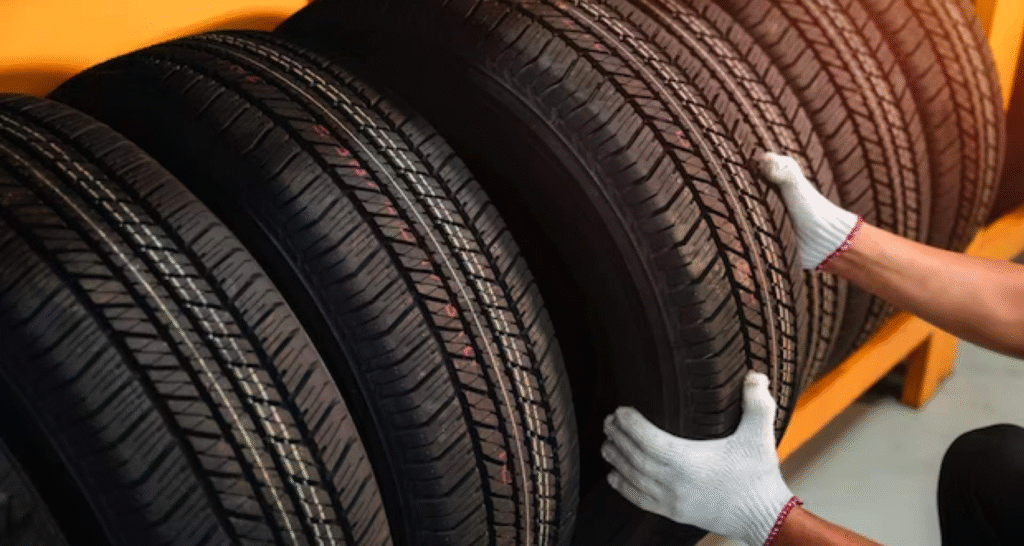
While inflation methods are important, choosing the right tyre types is equally essential for vehicle performance. Different tyre types are designed to handle various road conditions, driving styles, and weather environments.
For example, all-season tyres provide balanced performance throughout the year, while performance tyres offer superior grip and handling at higher speeds. Off-road tyres are built with deeper treads for better traction on rough surfaces.
When drivers combine proper tyre pressure using nitrogen in tyres with the correct tyre types, they can significantly improve their driving experience. The right combination enhances stability, increases tyre lifespan, and ensures optimal safety on the road.
Why Drivers Are Switching to Nitrogen
As awareness about tyre maintenance grows, more drivers are realizing the benefits of nitrogen inflation. Service centers and tyre shops increasingly offer nitrogen filling because it helps customers maintain tyre pressure more effectively.
Drivers who frequently travel long distances or drive in extreme temperatures often prefer nitrogen in tyres because it provides greater consistency and reliability. Even everyday commuters appreciate the reduced need for frequent pressure adjustments.
In addition, modern vehicles with advanced safety systems perform best when tyres maintain consistent pressure. This has further encouraged drivers to consider nitrogen inflation.
Conclusion
The growing popularity of nitrogen in tyres reflects a broader shift toward smarter vehicle maintenance practices. By maintaining more stable pressure, reducing internal tyre degradation, and supporting better fuel efficiency, nitrogen offers several practical advantages for everyday drivers.
However, it is important to remember that proper tyre care involves more than just inflation. Choosing the correct tyre types, performing regular pressure checks, and maintaining proper wheel alignment are all essential for safe and efficient driving.
Drivers looking for reliable tyre performance should also consider trusted brands that prioritize innovation and durability. Companies like Vredestein Tyres are known for delivering high-quality tyre solutions designed to enhance safety, comfort, and performance on a wide range of road conditions.

