


Police drones aren’t some future concept anymore. They’re here, buzzing over accident scenes, tracking suspects, scanning rooftops. And yeah, sometimes people still picture them as sci-fi toys. That’s outdated thinking. These things are tools now. Real ones. Departments are rolling them out faster than most folks realize, especially in cities trying to stretch tight budgets without cutting response times.
What’s interesting is how normal they’ve become. Officers don’t talk about them like tech experiments anymore. It’s just part of the job. Launch, scan, report. Done. Police drones shift matters more than the hardware itself.
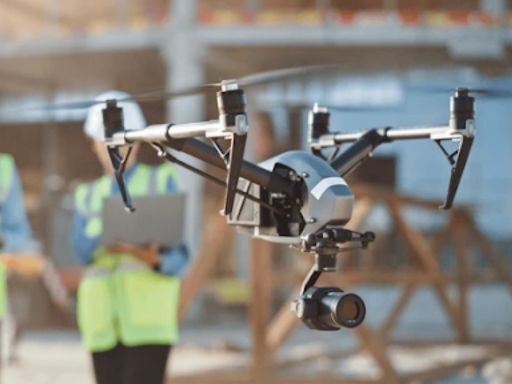
Why Departments Are Investing in Aerial Tech
Money talks. Always has. And police drones, oddly enough, can save it. Sending a drone instead of a helicopter? Huge difference in cost. We’re talking fuel, maintenance, personnel. A drone trims all that down to something manageable.
But it’s not just about saving cash. It’s about speed. First responders get eyes on a situation in minutes, sometimes seconds. That changes decisions. It changes outcomes. A missing person case, for example, doesn’t have the luxury of delay. A drone in the air right away? That’s leverage.
And yeah, public safety agencies are noticing.
UAS Hardware Is the Backbone Nobody Talks About
Here’s where it gets a bit less flashy. Everyone sees the drone. Few think about the UAS Hardware behind it. That’s the real engine. Sensors, cameras, GPS modules, communication systems—it all has to work together without failing.
And it’s not plug-and-play either. Agencies need systems that can handle heat, wind, signal interference, you name it. Cheap gear doesn’t cut it. If the connection drops mid-operation, that’s not just inconvenient—it’s dangerous.
So when departments invest, they’re not just buying drones. They’re buying reliability. Or at least, trying to.
Not All Drones Are Built the Same
There’s a big gap between hobby drones and professional security drones. It’s night and day. Something like skydio mapping drones, for example, uses AI to navigate obstacles in real time. That’s not a gimmick. That’s survival in complex environments—tight alleys, dense urban blocks, disaster zones.
Then you’ve got systems like Wingtra Drones, which lean into mapping and surveying. Fixed-wing designs, longer flight times. Different job, same ecosystem.
Departments pick tools based on need. Surveillance, search and rescue, crowd monitoring—it all demands slightly different capabilities. One-size-fits-all doesn’t really exist here.
Real-World Use Is Messy and Unpredictable
Here’s something people don’t always get. Police work isn’t clean. It’s chaotic. And police drones have to operate in that chaos.
Weather shifts. Signals drop. People panic. Sometimes a drone feed cuts out at the worst moment, and the team has to adapt fast. There’s no pause button. No reset.
But when it works—and it usually does—it gives officers a perspective they’ve never had before. Overhead visibility changes how they approach situations. It’s less guesswork, more awareness. Still not perfect, though. Never will be.
Privacy Concerns Aren’t Going Away
Let’s not pretend this is all smooth sailing. People are uneasy about drones. Fair enough. The idea of something flying overhead with a camera? That hits a nerve.
Departments are trying to balance it. Policies, transparency, usage limits. Some do it well. Others… not so much.
The truth is, trust is fragile. If communities feel like they’re being watched constantly, pushback is inevitable. And honestly, they’re not wrong to ask questions. Technology moves fast. Oversight doesn’t always keep up.
Training Matters More Than the Tech
You can have the best UAS Hardware in the world, and it won’t matter if the operator doesn’t know what they’re doing. Training is where a lot of programs either succeed or fall apart.
Flying a drone isn’t the hard part. Interpreting what you’re seeing, making decisions under pressure—that’s the real skill.
Some departments invest heavily in training. Others treat it like an afterthought. You can guess which ones get better results.
Technology doesn’t replace judgment. It just amplifies it, for better or worse.
Where This Is All Heading Next
Police drones aren’t slowing down. If anything, they’re becoming more autonomous, more integrated into daily operations. Think real-time data sharing, AI-assisted tracking, maybe even coordinated drone fleets. Sounds intense, because it is.
But there’s still a human layer that won’t disappear. Decisions, accountability, ethics—that stuff stays grounded. At least it should.
The future isn’t just about better drones. It’s about how responsibly they’re used. That’s the part that’ll define whether this technology actually helps or just complicates things further.
Conclusion
Police drones are already reshaping law enforcement, whether people are paying attention or not. They bring speed, visibility, and efficiency—but also raise real concerns around privacy and control. The technology, especially the UAS Hardware behind it, keeps improving. No question there. But tools are only as good as the people using them. That’s the real story. Not the drone itself, but what we choose to do with it.

