


Industrial automation has transformed the way factories, processing plants, and manufacturing units operate. From improving productivity to enhancing precision and safety, automation systems are now at the heart of modern industry. One of the most important components driving this transformation is the programmable logic controller. Designed to monitor inputs, process logic, and control outputs efficiently, a programmable logic controller plays a central role in streamlining industrial operations.
As industries continue to evolve, compact solutions like the mini programmable logic controller are also gaining popularity for smaller and specialized automation requirements. This guide explores how PLCs work, their applications, benefits, and why they are essential in today’s industrial landscape.
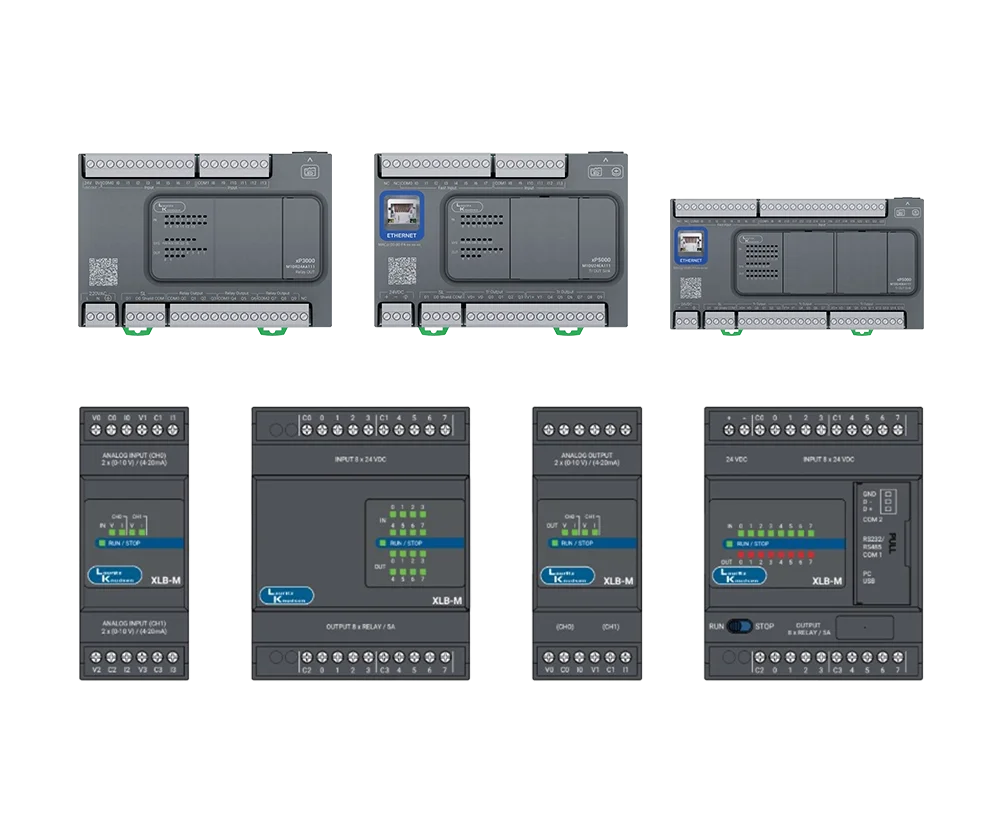
What Is a Programmable Logic Controller?
A programmable logic controller is a rugged industrial computer specifically designed to control machinery and processes. Unlike traditional control systems that relied on relays and manual wiring, PLCs use digital programming to automate complex operations.
PLCs are built to operate in harsh industrial environments where temperature fluctuations, vibrations, dust, and electrical noise are common. They are designed for reliability, long service life, and continuous performance.
The primary function of a programmable logic controller is to:
- Receive signals from input devices such as sensors and switches
- Process the input data according to programmed logic
- Send commands to output devices like motors, valves, and actuators
This closed-loop control system ensures seamless automation and precise control.
Evolution of PLC Technology
Before PLCs were introduced, industrial automation relied heavily on relay-based systems. These systems were bulky, complex, and difficult to modify. Any change in logic required physical rewiring, which was time-consuming and expensive.
The introduction of the programmable logic controller simplified this process. Engineers could modify system logic through software rather than hardware adjustments. Over time, PLCs became faster, more powerful, and capable of handling increasingly sophisticated tasks.
Today, even compact solutions such as the mini programmable logic controller provide advanced functionality in a smaller footprint, making automation accessible to small and medium enterprises.
Core Components of a PLC
Understanding the internal structure of a programmable logic controller helps in appreciating its efficiency.
Central Processing Unit (CPU)
The CPU acts as the brain of the PLC. It executes control instructions, processes input signals, and determines output responses.
Input Modules
These modules receive signals from field devices such as push buttons, proximity sensors, and temperature sensors.
Output Modules
Output modules transmit commands to field devices like motors, relays, alarms, and solenoid valves.
Power Supply
The power supply ensures the stable operation of the controller and connected modules.
Programming Device
Engineers use specialized software to program the logic of the programmable logic controller, typically using ladder logic, function block diagrams, or structured text.
How a Programmable Logic Controller Works
The operation of a programmable logic controller follows a repetitive cycle known as the scan cycle.
- Input Scan: The PLC reads the status of all input devices.
- Program Execution: It processes the input data based on the programmed logic.
- Output Scan: The PLC updates the output devices accordingly.
This cycle repeats continuously within milliseconds, ensuring real-time control and precision.
Applications in Industrial Automation
The programmable logic controller is widely used across multiple industries.
Manufacturing
PLCs control conveyor belts, robotic arms, packaging systems, and assembly lines, ensuring smooth production flow.
Energy and Utilities
They manage power distribution systems, water treatment plants, and renewable energy installations.
Automotive Industry
Automation in car manufacturing heavily relies on PLC systems for precision welding, painting, and assembly.
Food and Beverage
PLCs regulate temperature, mixing processes, filling lines, and quality control systems.
Compact solutions such as the mini programmable logic controller are especially useful in smaller production units and specialized machines.
Benefits of Using PLCs
Increased Efficiency
Automation powered by a programmable logic controller reduces manual intervention, leading to faster and more consistent operations.
Improved Accuracy
PLCs ensure precise control of industrial processes, minimizing errors and material waste.
Enhanced Safety
Automated monitoring reduces human exposure to hazardous conditions.
Flexibility
Modifying operations is easier since logic changes can be implemented through software.
Scalability
Businesses can start with a mini programmable logic controller for smaller systems and expand as operational needs grow.
Mini Programmable Logic Controller: Compact Yet Powerful
The mini programmable logic controller is designed for applications where space, budget, or complexity is limited. Despite its smaller size, it offers reliable performance and essential automation capabilities.
Mini PLCs are commonly used in:
- Small machinery
- HVAC systems
- Water pumps
- Agricultural automation
- Building management systems
They provide a cost-effective entry point into industrial automation while maintaining efficiency and reliability.
PLC Programming Languages
The flexibility of a programmable logic controller comes from its programming capabilities. Common languages include:
Ladder Logic
Inspired by electrical relay diagrams, ladder logic is easy for engineers with electrical backgrounds to understand.
Function Block Diagram
This graphical language represents control logic through interconnected functional blocks.
Structured Text
A high-level programming language similar to traditional coding languages is used for complex algorithms.
Programming flexibility allows industries to tailor automation precisely to their needs.
Integration with Modern Technologies
Modern industries are moving toward smart manufacturing and Industry 4.0. The programmable logic controller plays a crucial role in this transformation.
PLCs now integrate with:
- Human Machine Interfaces (HMI)
- Supervisory Control and Data Acquisition (SCADA) systems
- Industrial Internet of Things platforms
- Cloud-based monitoring tools
Even a mini programmable logic controller can support communication protocols for data exchange, making small-scale systems smarter and more connected.
Maintenance and Reliability
One of the reasons PLCs are preferred in industrial environments is their durability. However, proper maintenance ensures long-term performance.
Routine maintenance includes:
- Inspecting wiring connections
- Updating firmware
- Monitoring error logs
- Ensuring adequate ventilation
Preventive maintenance minimizes downtime and extends the lifespan of the programmable logic controller.
Also Read: How PCC, MCC, MV, and LV Switchgear Work Together in Power Distribution
Selecting the Right PLC
Choosing the right PLC depends on several factors:
- Number of input and output points
- Complexity of the control logic
- Environmental conditions
- Expansion requirements
- Communication needs
For compact systems or standalone machines, a mini programmable logic controller may be sufficient. For large-scale automation, modular PLC systems offer scalability and higher capacity.
Challenges in Industrial Automation
While automation offers numerous benefits, it also presents challenges such as:
- Initial investment costs
- Skilled workforce requirements
- Integration with legacy systems
- Cybersecurity concerns
Despite these challenges, the long-term advantages of implementing a programmable logic controller outweigh the initial hurdles.
Future of PLC Technology
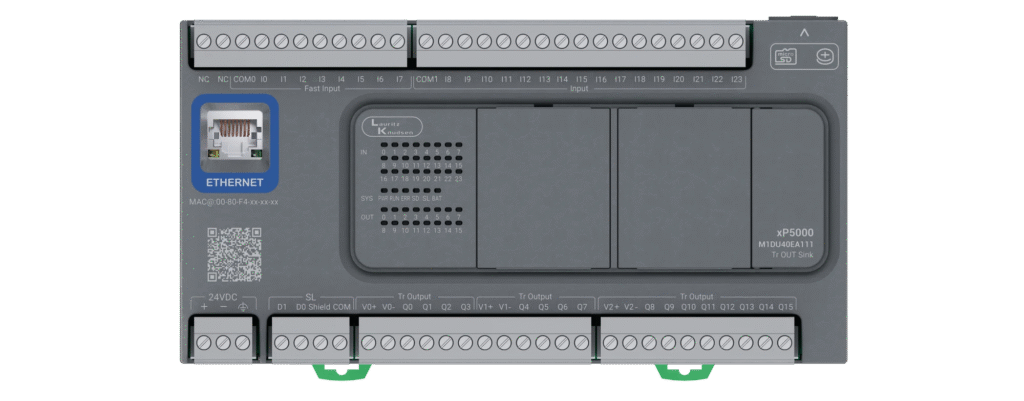
The future of industrial automation is centered around connectivity, data analytics, and intelligent control systems. PLC technology continues to evolve with faster processors, enhanced communication protocols, and improved cybersecurity features.
The mini programmable logic controller is expected to see increasing adoption in decentralized automation systems and edge computing applications. Compact yet intelligent devices will play a vital role in making automation more accessible and cost-effective.
Conclusion
Industrial automation is no longer a luxury but a necessity for businesses aiming to stay competitive in a rapidly evolving market. At the core of this transformation lies the programmable logic controller, a reliable and versatile device that ensures efficiency, precision, and safety across industries.
From large manufacturing plants to compact machinery systems, PLC technology supports a wide range of automation needs. The mini programmable logic controller further expands these possibilities by delivering powerful performance in a compact design, making automation feasible even for smaller operations.
As industries continue to embrace digital transformation, investing in advanced automation solutions becomes essential. With trusted expertise and innovative electrical solutions, Lauritz Knudsen supports modern industrial requirements by offering reliable technologies that align with the future of automation. By understanding the capabilities of PLC systems and selecting the right configuration, businesses can build smarter, safer, and more efficient operations for years to come.

