


In recent years, unmanned aerial systems have moved from experimental tools to essential assets across industries. Among these innovations, the surveillance drone has emerged as one of the most impactful technologies, reshaping security, monitoring, and data collection worldwide.
As technology continues to advance, the scope of drone applications is expanding rapidly. From public safety and defence to infrastructure inspection and disaster management, surveillance drones are playing a central role in modern operations.
Understanding Surveillance Drone Technology
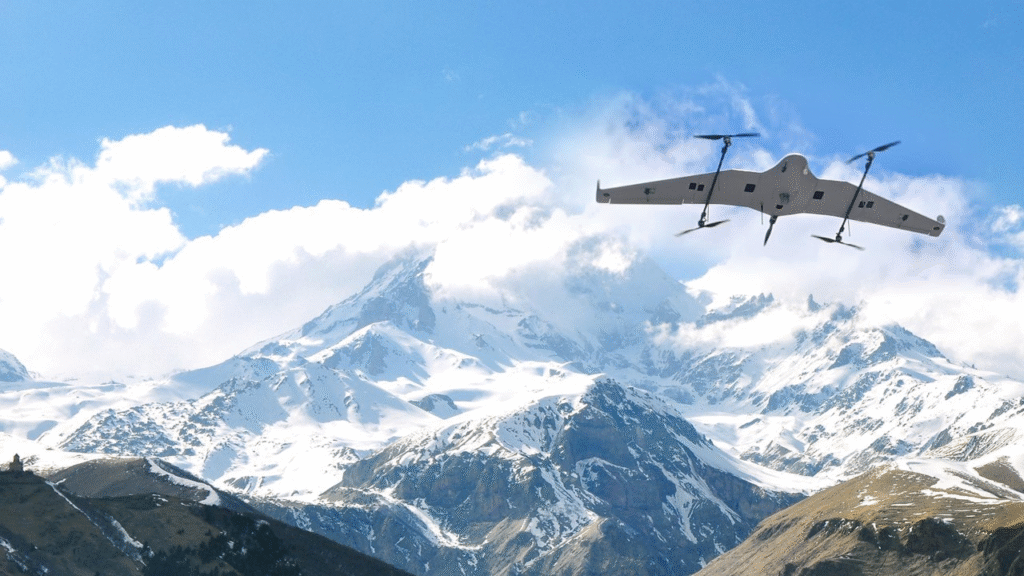
A surveillance drone is an unmanned aerial vehicle equipped with high-resolution cameras, thermal imaging systems, sensors, and real-time data transmission capabilities. These drones are designed to monitor, record, and analyse environments from above, providing a broader and more detailed perspective than ground-based systems.
Unlike traditional surveillance systems that rely on fixed cameras, drones offer mobility, flexibility, and rapid deployment. They can cover large areas quickly, access difficult terrain, and provide live video feeds to command centres. This capability has significantly enhanced operational efficiency across multiple sectors.
The Evolution of Drone Applications
The early use of drones was primarily limited to military purposes.However, technological improvements, reduced costs, and regulatory advancements have enabled broader adoption.
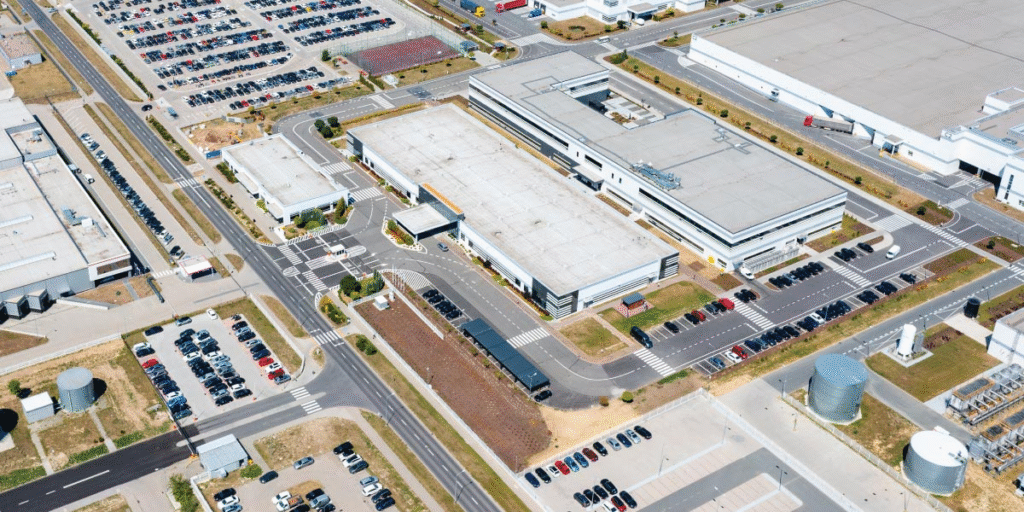
Today, drone applications extend far beyond defence. Industries such as agriculture, energy, construction, logistics, and law enforcement are leveraging drone technology for smarter decision-making and improved safety. The integration of artificial intelligence, GPS systems, and advanced analytics has further strengthened the role of the surveillance drone in modern operations.
Key Industries Benefiting from Surveillance Drones
1. Public Safety and Law Enforcement
Law enforcement agencies use surveillance drone systems for crowd monitoring, traffic management, crime scene documentation, and search-and-rescue operations. Drones provide aerial visibility during large public gatherings, helping authorities respond quickly to potential threats. In emergencies, they can locate missing persons or assess hazardous situations without risking human lives. These advancements represent some of the most critical drone applications in urban environments.
2. Defence and Border Security
In defence operations, surveillance drones enhance situational awareness and strategic planning. They are used for border patrol, reconnaissance, and monitoring remote areas. Equipped with night vision and thermal cameras, a surveillance drone can operate in low-light conditions, ensuring continuous monitoring.This capability strengthens national security and improves response times.
3. Infrastructure and Industrial Monitoring
Modern infrastructure requires regular inspection and maintenance. Traditional inspection methods can be time-consuming and hazardous. Through advanced drone applications, companies can inspect bridges, pipelines, power lines, and communication towers safely and efficiently. A surveillance drone captures high-resolution imagery that helps identify structural weaknesses or maintenance issues before they escalate.
4. Disaster Management and Emergency Response
During natural disasters such as floods, earthquakes, or wildfires, rapid assessment is crucial. Drones provide real-time aerial data, helping authorities evaluate damage and plan relief operations. Using drone applications in disaster zones minimises risk to rescue teams while improving coordination and efficiency.
5. Commercial and Smart City Solutions
Smart cities are increasingly integrating drone technology into their infrastructure. Traffic analysis, environmental monitoring, and construction oversight are common drone applications in urban planning. A surveillance drone can monitor large construction projects, ensuring compliance with safety standards and timelines.
Advantages of Surveillance Drone Technology
Enhanced Coverage
One of the primary advantages of a surveillance drone is its ability to cover extensive areas quickly. Unlike fixed surveillance systems, drones can move dynamically to monitor different locations in real time.
Cost-Effective Operations
Traditional aerial monitoring methods, such as helicopters, are expensive and resource-intensive.Drone technology significantly reduces operational costs while maintaining high efficiency.
Improved Safety
By using drone applications in hazardous environments, organisations can reduce risks to human personnel. Drones can enter dangerous zones, assess structural damage, or monitor conflict areas safely.
Real-Time Data and Analytics
Modern drones transmit live video feeds and data to control centres. Advanced analytics tools process this information, enabling faster and more informed decision-making.
The Role of Artificial Intelligence in Drone Applications
Artificial intelligence has revolutionised how surveillance drones operate. AI-powered analytics can detect unusual activities, recognise objects, and even predict potential risks. For example, a surveillance drone equipped with AI can automatically identify unauthorised movement in restricted zones. This enhances security efficiency and reduces the need for constant manual monitoring. AI integration is driving the next generation of drone applications, making systems smarter and more autonomous.
Regulatory and Ethical Considerations
As surveillance technology becomes more widespread, regulatory frameworks are evolving to ensure responsible usage. Privacy concerns and airspace regulations must be addressed to maintain public trust. Organisations deploying drone applications must comply with aviation guidelines and data protection standards. Responsible deployment ensures that the benefits of surveillance drones are balanced with ethical considerations.
The Future of Surveillance Drone Technology
The future of the surveillance drone lies in automation, longer flight durations, and enhanced sensor capabilities. Battery technology improvements and hybrid power systems are extending operational time.
Swarm drone technology, where multiple drones operate in coordination, is another emerging innovation. This advancement will expand drone applications in large-scale monitoring and disaster response.
Integration with 5G networks and cloud-based platforms will further enhance real-time communication and data sharing. As technology advances, surveillance drones will become even more integral to security and operational strategies worldwide.
Why Businesses and Governments Are Investing in Drone Applications
The rapid expansion of drone applications reflects their practical value. Organizations recognize that drone technology enhances efficiency, reduces costs, and improves safety outcomes.
A surveillance drone provides actionable insights that support strategic planning and operational excellence. From safeguarding communities to optimising industrial operations, drones are becoming indispensable tools.
Conclusion
Surveillance drone technology is redefining how industries approach monitoring, security, and data collection.With expanding drone applications, organisations can achieve greater visibility, efficiency, and safety in their operations. As innovation continues to accelerate, adopting advanced surveillance solutions will be essential for staying competitive and prepared for future challenges.
For cutting-edge drone solutions and reliable aerial technology systems, Asteria Aerospace stands as a trusted leader, delivering advanced surveillance capabilities that empower industries and governments to harness the full potential of modern drone applications.

