


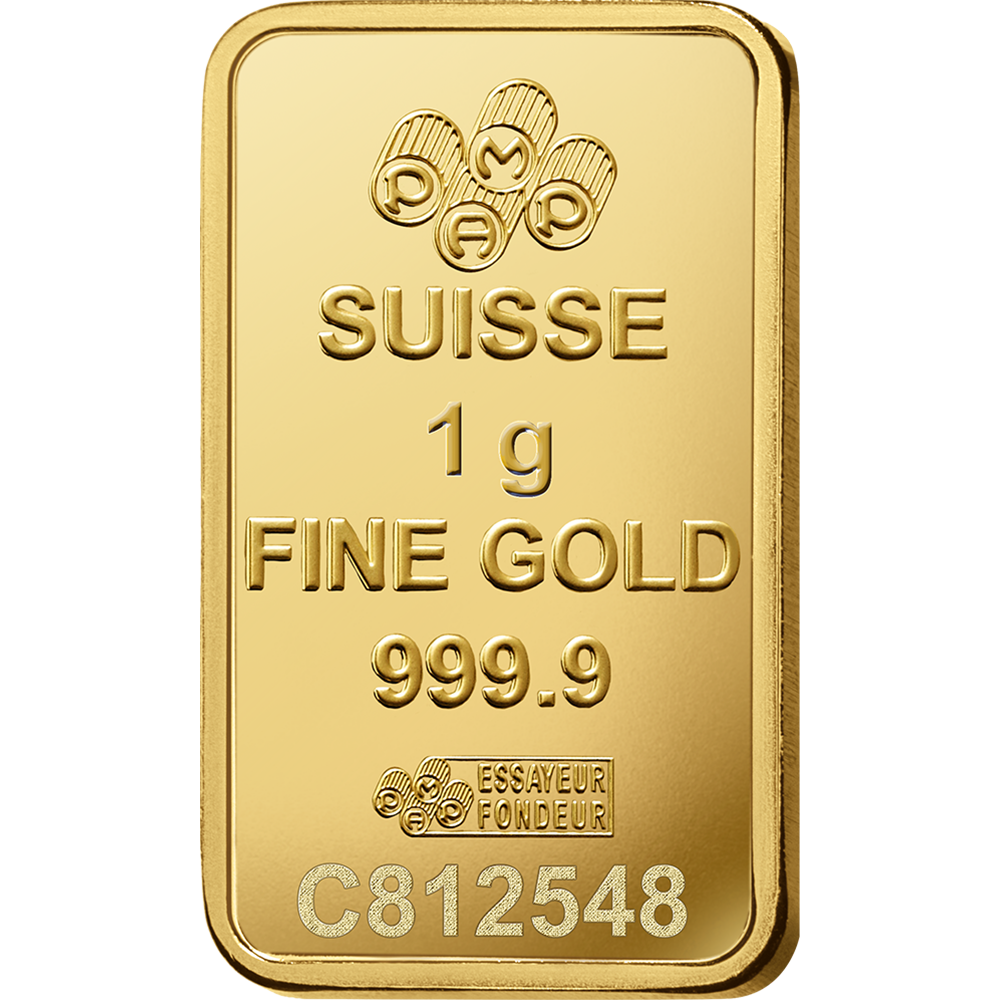
Gold continues to serve as a reliable store of value across global markets due to its historical stability and universal acceptance. Investors often compare purity levels, pricing trends, and authentication methods before allocating capital. References such as Credit suisse 1g fine gold 999.9 price often appear in discussions around high-purity bullion benchmarks. Demand for secure gold investment options has increased as investors aim to reduce exposure to volatile financial markets while maintaining liquidity and long-term asset protection through diversified strategies.
Gold as an Investment
Gold functions as a non-yielding but stable asset that retains value across economic cycles. Unlike stocks or bonds, gold does not rely on corporate earnings or interest rates for valuation. It exists in multiple forms including physical bullion, paper-based instruments, and digital ownership systems. Each category serves different investor needs based on liquidity, storage, and risk tolerance.
Price movements are influenced by inflation rates, geopolitical tensions, currency fluctuations, and central bank policies. Investors typically allocate gold as a hedge against financial uncertainty. A clear understanding of these dynamics supports safer investment decisions and long-term portfolio balance.
Importance of Safety in Gold Investment
Safety in gold investment involves authenticity verification, secure storage, and protection from fraud. Global demand for gold has led to increased circulation of counterfeit bars and uncertified sellers, making due diligence essential.
Investors must ensure that gold purchases include proper documentation such as assay certificates and refinery markings. Safety also extends to liquidity assurance, meaning gold should be easily resold without heavy value loss. Evaluating seller reputation, regulatory compliance, and market credibility reduces exposure to financial risks and ensures long-term asset protection.
Safest Physical Gold Investment Options
Physical gold remains one of the most trusted investment forms due to direct ownership and long-term stability. However, safety depends on sourcing and verification standards. Certified bullion from recognized refiners ensures higher authenticity and resale value.
- Government-issued gold coins backed by official mints
- 999.9 fine gold bars from accredited refineries
- Small denomination bars for easier resale flexibility
- Bullion purchased from regulated and verified dealers
- Vault-secured gold stored under institutional custody
Each option reduces counterfeit risks and improves liquidity. Investors should always verify serial numbers, assay certificates, and refinery stamps before final purchase.
Advantages of Physical Gold Ownership
Physical gold provides direct asset control without reliance on financial intermediaries. It holds intrinsic value and remains globally recognized across markets. Investors benefit from independence during banking disruptions or market instability.
Liquidity is another major advantage, especially for smaller denominations that are easier to sell. Physical gold also serves as a hedge against inflation and currency depreciation. While storage and insurance costs apply, the long-term security and tangible ownership make it a preferred choice for conservative investors seeking stable wealth preservation strategies.
Digital Gold Investment Options
Digital gold allows investors to purchase fractional ownership of gold stored in secure vaults. This method eliminates the need for physical storage while maintaining direct exposure to gold prices.
Platforms offering digital gold typically back each unit with real physical bullion held in insured vaults. This structure ensures asset security and transparency. Investors can buy, sell, or accumulate gold in small amounts, making it suitable for flexible budgeting strategies. However, platform reliability, regulation, and custody transparency remain essential factors when selecting providers.
Gold ETFs and Mutual Funds Explained
Gold Exchange-Traded Funds (ETFs) track the price of gold and are traded on stock exchanges. They offer exposure to gold without requiring physical ownership. Mutual funds focused on gold invest in related assets and provide diversified exposure.
These instruments are highly liquid and cost-efficient, making them suitable for short- to medium-term investors. However, performance depends on fund management quality and market tracking accuracy. Regulatory oversight ensures investor protection, but selecting funds with strong asset backing and low expense ratios is critical for reducing risk exposure.
Risk Factors in Gold ETFs and Funds
Although gold ETFs and mutual funds provide convenience, they carry market-linked risks. Price tracking differences may occur due to management fees, liquidity constraints, or fund structure limitations.
Investors should evaluate historical performance, tracking error rates, and fund transparency before investing. Regulatory supervision by financial authorities adds safety, but reliance on fund managers introduces indirect risk. Diversification across physical gold and digital assets can help balance these limitations while maintaining exposure to gold price movements.
Storage and Security Considerations
Secure storage is essential for physical gold protection. Home storage increases risks related to theft, damage, or loss. Safer alternatives include bank lockers and professional vault services.
Vault storage providers often include insurance coverage, surveillance systems, and audited security protocols. These services ensure asset safety and controlled access. Investors should carefully review storage fees, insurance policies, and withdrawal conditions. Proper storage planning significantly reduces physical risk exposure and enhances long-term investment security.
How to Verify Authentic Gold Assets
Verification is critical in preventing fraud and ensuring gold purity standards. Investors should examine hallmark stamps, assay certificates, and refinery identification marks.
Advanced testing methods include electronic gold testers and density analysis performed by certified professionals. Trusted dealers associated with recognized financial institutions provide additional documentation for authenticity assurance. Independent verification before purchase reduces risk and ensures that gold meets expected purity levels such as 999.9 fine gold standards commonly used in global bullion markets.
Common Mistakes in Gold Investment
Many investors face losses due to avoidable mistakes. Purchasing gold without certification is one of the most common risks, leading to counterfeit exposure. Ignoring storage security also increases vulnerability to theft or damage.
Other mistakes include relying on unverified sellers, overlooking resale liquidity, and failing to compare dealer premiums. Lack of diversification across asset classes increases financial risk. Avoiding these errors ensures better capital protection and improves long-term investment outcomes in gold markets.
Long-Term Strategy for Safe Gold Investing
A strong gold investment strategy focuses on discipline, diversification, and consistency. Investors often allocate a fixed percentage of their portfolio to gold to balance market volatility.
Regular accumulation through systematic purchases reduces price fluctuation impact. Monitoring inflation trends, interest rates, and geopolitical conditions helps improve timing decisions. Combining physical gold, ETFs, and digital options creates a balanced structure that supports both liquidity and long-term wealth preservation goals in uncertain financial environments.
Conclusion
Safe gold investing requires careful attention to authenticity, storage, and investment structure. Physical gold, digital gold, and ETFs each provide unique advantages depending on risk tolerance and financial goals. Investors who prioritize certified sourcing, secure custody, and disciplined planning reduce exposure to fraud and market instability. Gold remains a dependable asset when integrated into a diversified strategy focused on long-term financial protection and wealth stability.

