


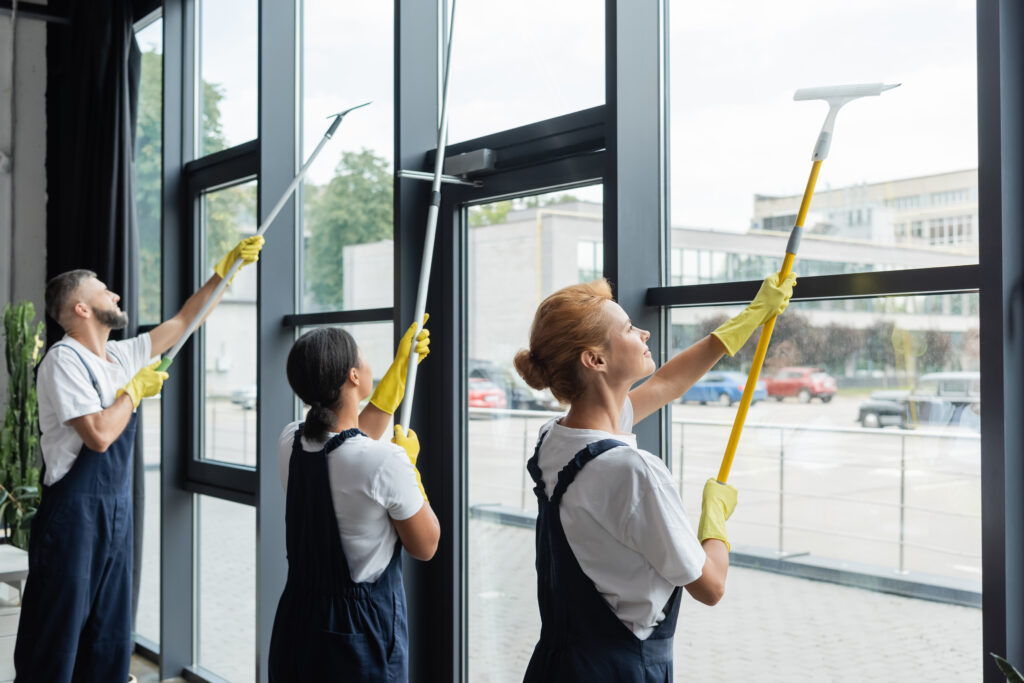
Window cleaning maintains clear views and a professional appearance for residential and commercial properties. Pompano Beach Window Cleaning Services applies strict safety standards to protect workers and clients. High-rise tasks, specialized tools, and wet surfaces create significant hazards. Professionals follow structured procedures to minimize risk while performing cleaning tasks efficiently. Safety is embedded in every operation to protect personnel, equipment, and surrounding areas. This approach strengthens reliability and maintains consistent service quality.
Importance of Safety in Window Cleaning
Safety is critical in window cleaning due to exposure to elevated surfaces, wet areas, and fluctuating weather. Workers without proper precautions face high risk of injuries or falls. Training programs and standard operating procedures keep operations controlled and predictable. Secure practices reduce accidents, prevent damage, and maintain productivity. A focus on safety improves confidence among staff and clients. Compliance with professional and legal standards ensures smooth workflow across all types of window cleaning projects.
Common Risks in Window Cleaning Jobs
Several hazards arise during window cleaning tasks. Working at heights presents the greatest danger, where minor slips can cause serious injury. Slippery surfaces from water, detergents, or rain increase accident probability. Improper handling of ladders, scaffolding, or suspended platforms can lead to severe incidents. Electrical risks may appear near live wiring or wet environments. Weather conditions like wind or storms add complexity. Recognizing these risks allows professionals to apply protective measures before starting work.
Essential Safety Equipment
Proper equipment reduces accident risks and supports efficient cleaning. Harnesses and safety ropes secure workers at heights. Ladders and scaffolding meet strict regulatory standards and undergo regular inspections. Personal protective equipment, including helmets, gloves, and slip-resistant footwear, provides additional protection. Tools are maintained to prevent malfunctions. Equipment choice and upkeep form the backbone of a safe cleaning operation. Professional teams follow strict protocols to ensure every item is reliable and correctly used on-site.
Key Safety Measures Followed by Professionals
- Safety harnesses and fall arrest systems are mandatory at high elevations
- Regular inspection of ladders, ropes, and scaffolding
- Staff undergo professional training and hold certification
- Non-slip footwear and protective gear reduce injuries
- Work areas are cordoned off to protect pedestrians
- Weather conditions are monitored to avoid hazards
- Cleaning chemicals are handled with care
- Team communication is maintained at all times
Training and Certification Requirements
Professional cleaners attend structured programs covering equipment use, hazard handling, and emergency response. Certification confirms compliance with industry safety standards. Training covers fall protection, first aid, and proper use of ladders or ropes. Teams are prepared to react calmly in unexpected situations. Recurrent training keeps staff updated on new protocols or tools. This systematic approach makes safety a routine aspect of all operations. Well-trained staff can focus on completing tasks efficiently without compromising protection.
Role of Technology in Safety
Modern tools improve safety and reduce physical risks. Water-fed pole systems allow ground-level cleaning for multi-story buildings. Robotic cleaners and drones limit human exposure to dangerous heights. Advanced safety gear provides better durability and comfort. Equipment with improved materials minimizes slips and injuries. Technology reduces reliance on ladders and suspended platforms, lowering accident rates. By integrating technology, companies maintain high cleaning standards while protecting personnel. Workflows become safer and more efficient through careful equipment application.
Importance of Risk Assessment
Risk assessments are conducted before any cleaning task. Inspecting building structure, potential hazards, and environmental conditions informs operational planning. Assessments guide the choice of equipment, personnel placement, and safety precautions. This proactive evaluation reduces incident chances and allows the team to follow a clear, organized procedure. Risk analysis also supports compliance with safety regulations. A planned approach guarantees that every task is executed with minimal hazards, protecting workers, property, and clients.
Safety Regulations and Compliance
Window cleaning companies must follow local and international safety rules. Regulations dictate proper use of equipment, staff training, and operational procedures. Compliance ensures legal standards are met and workers remain protected. Frequent audits confirm adherence and maintain high safety standards. Companies following these rules demonstrate professionalism and reliability. Compliance supports a secure working environment and fosters trust with clients. Regulatory standards also create uniform procedures across all projects, promoting consistency in safety and service quality.
Benefits of Prioritizing Safety
Prioritizing safety reduces accidents and downtime caused by injuries or equipment failures. Workers perform tasks confidently, improving efficiency and accuracy. Clients benefit from reliable services without damage or disruption. A safety-oriented culture enhances productivity and maintains a positive reputation. Reduced liability and insurance claims lower business costs. Professional cleaning operations gain long-term success through consistent protective practices. Prioritizing safety is an investment in efficiency, trust, and sustainable performance.
Conclusion
Window cleaning involves high-risk tasks that require structured safety practices. Harnesses, scaffolding, and protective gear safeguard workers during elevated operations. Training, technology, and risk assessment support secure execution. Following regulations guarantees legal compliance and client confidence. Safety-focused procedures reduce injuries, prevent equipment damage, and maintain workflow efficiency. Professional window cleaning is defined by careful preparation and consistent adherence to safety protocols. A strong focus on protection ensures both high-quality results and reliable services.
FAQs
What safety measures protect workers at height?
Harnesses, fall arrest systems, and secure anchor points prevent falls during high-elevation cleaning.
Why is training essential in window cleaning?
Training equips staff to handle equipment, identify hazards, and respond calmly in emergencies.
How do professionals minimize risks on wet surfaces?
Non-slip footwear, controlled movement, and cordoned work areas reduce slips and accidents.
What technology improves window cleaning safety?
Water-fed poles, robotic cleaners, and drones reduce the need for ladders or risky platforms.
Are safety regulations mandatory for window cleaning companies?
Yes, following local and international safety rules is required to protect workers and meet legal standards.

