


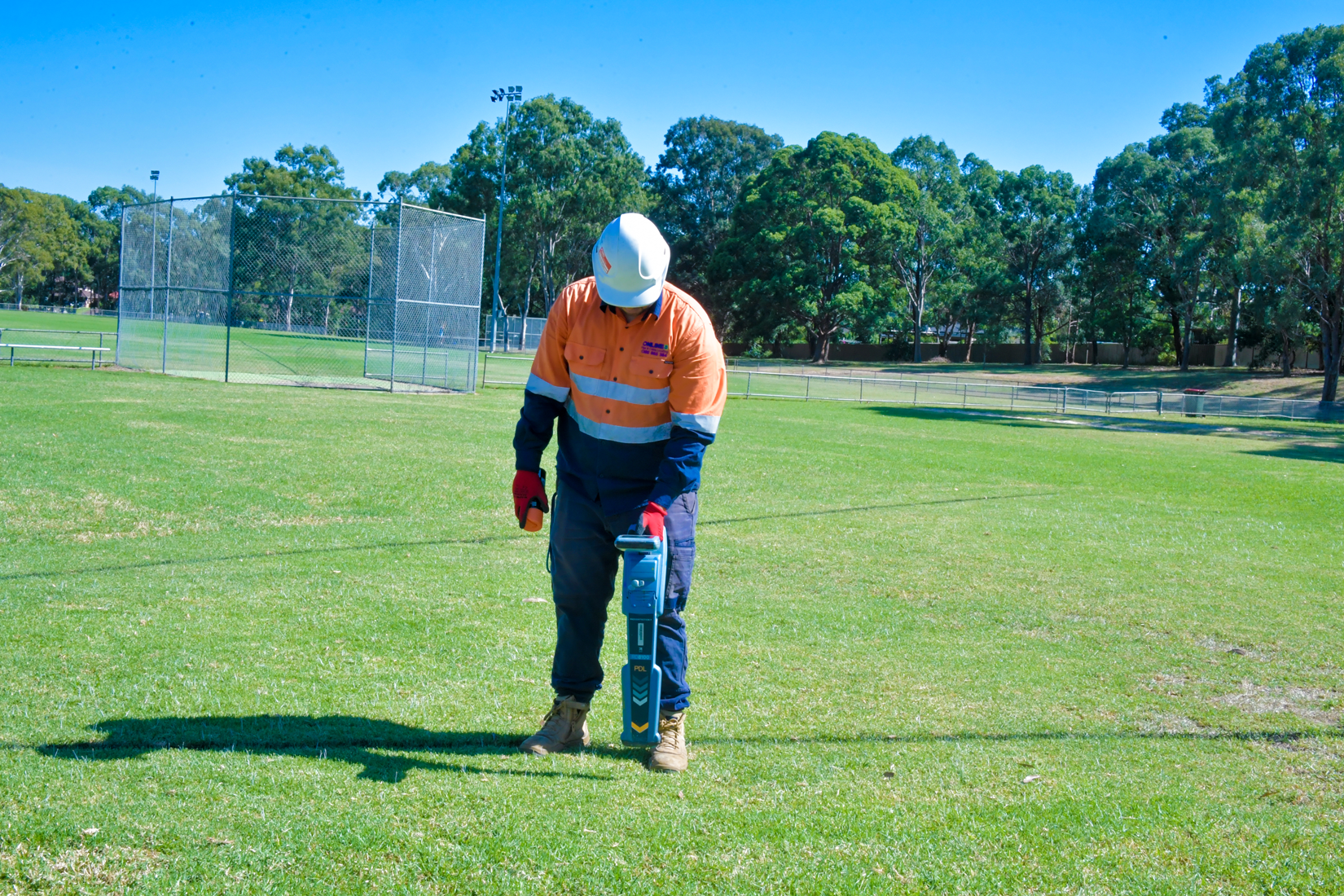
Modern pipe locating services rely on advanced detection systems designed to identify underground utilities with high accuracy and minimal disruption. These tools help contractors and property owners avoid accidental damage during excavation work. In Broken Pipe Locating services Jupiter, specialists depend on a combination of electronic sensors, imaging systems, and mapping technologies to trace pipelines and detect hidden issues. Accurate detection improves safety, reduces repair costs, and supports efficient project planning across residential, commercial, and industrial environments where underground infrastructure is complex and tightly packed.
Electromagnetic Pipe Locators
Electromagnetic pipe locators remain one of the most widely used tools in underground utility detection. These devices send electromagnetic signals through metallic pipes and cables, allowing technicians to trace their exact route underground. A handheld receiver captures the signal and displays information such as depth and direction. This method works effectively for water, gas, and electrical lines made of conductive materials. Its accuracy makes it a primary choice for construction planning, emergency repairs, and utility verification in urban and rural development projects.
Ground Penetrating Radar Technology
Ground Penetrating Radar (GPR) offers a powerful solution for detecting both metallic and non-metallic pipes. It uses radar pulses that travel through the ground and reflect back when they encounter buried objects. These reflections create detailed subsurface images that help technicians identify pipes, voids, and structural changes. GPR is especially valuable in complex environments where multiple utilities exist at different depths. Operators interpret data using specialized software, ensuring accurate mapping of underground systems without requiring excavation or surface disruption.
Acoustic Leak Detection Tools
Acoustic leak detection equipment identifies hidden leaks by analyzing sound waves traveling through pipelines. Pressurized systems produce distinct vibrations when leaks occur, and sensitive sensors capture these signals for analysis. Technicians use this data to locate leak points with precision, even in underground or concealed pipes. This method is highly effective for water distribution systems, where leaks may remain undetected for long periods. Early detection reduces water loss, prevents structural damage, and lowers repair costs for property owners and utility companies.
CCTV Pipe Inspection Systems
CCTV pipe inspection cameras provide a direct visual assessment of underground pipelines. A flexible camera is inserted into the pipe system, transmitting real-time video footage to a monitoring screen. This allows technicians to inspect internal conditions such as blockages, cracks, corrosion, and buildup. The technology eliminates the need for excavation during initial diagnosis. High-resolution imaging ensures even small defects are identified. CCTV inspections are widely used in maintenance, repair planning, and system assessments for both residential and commercial properties.
GPS Mapping and Digital Documentation
GPS mapping systems play a key role in documenting underground utility layouts with precision. Technicians record pipe locations, depths, and directions, creating detailed digital maps of infrastructure networks. This information is stored for future use, helping contractors plan excavation work safely and efficiently. Mapping software integrates with locating tools to provide accurate visual representations of underground systems. These records improve communication between teams and reduce the risk of errors during construction, renovation, or maintenance activities in complex environments.
Additional Pipe Locating Tools
Modern pipe locating services also rely on several supporting tools that improve accuracy and efficiency. Signal transmitters enhance electromagnetic locator performance by boosting signal strength. Pipe sondes help trace non-metallic pipelines through difficult terrain. Utility markers identify detected pipes on the surface for safe excavation reference. Data logging devices store inspection results for reporting and analysis. Depth measurement tools assist in planning excavation depth accurately. These tools work together to ensure comprehensive detection and reliable underground utility identification.
Integration of Advanced Technologies
Pipe locating services achieve higher accuracy by integrating multiple technologies into a single system. Technicians often combine electromagnetic locators, GPR, and acoustic tools to confirm findings and eliminate errors. Software platforms process data from these devices, creating unified maps and reports. This integration improves decision-making during excavation and maintenance projects. Advanced systems also allow real-time monitoring and data sharing between teams. The combination of tools ensures both metallic and non-metallic utilities are identified with precision across different site conditions.
Benefits of Modern Pipe Locating Services
Modern pipe locating tools provide significant advantages for construction and maintenance work. Accurate detection reduces the risk of damaging underground utilities, preventing costly repairs and service interruptions. Safety improves for workers by minimizing exposure to hazardous lines such as gas or electrical cables. Efficient locating also saves time by reducing unnecessary digging. Detailed mapping supports long-term infrastructure planning. These benefits make advanced pipe locating services essential for residential developments, commercial projects, and large-scale infrastructure management.
Choosing a Reliable Pipe Locating Service
Selecting a qualified pipe locating service ensures accurate results and safe project execution. Experienced technicians understand how to operate advanced tools and interpret complex data. Reliable service providers follow industry standards and use updated equipment for precise detection. Clients should look for companies that offer full-service solutions, including locating, inspection, mapping, and reporting. Strong technical expertise combined with modern tools ensures underground utilities are identified correctly, reducing risks and improving overall project efficiency in all types of environments.
Conclusion
Modern pipe locating services depend on a wide range of advanced tools designed to detect underground utilities safely and accurately. Technologies such as electromagnetic locators, GPR, acoustic sensors, CCTV cameras, and GPS mapping systems work together to provide precise results. These tools reduce excavation risks, improve safety, and support efficient project planning. As infrastructure continues to grow in complexity, the demand for reliable pipe locating methods remains essential for safe and successful construction and maintenance operations.

