


Standing in front of a mirror with two completely different silhouettes can make the choice surprisingly difficult. One feels structured, almost sculpted. The other falls softly and moves with ease. Both look beautiful, but they create very different impressions once worn.
That’s where the real decision begins—not on a hanger, but in how the outfit sits, moves, and feels over time.
Why Do Flared and Flowing Styles Feel So Different?
The difference becomes obvious the moment the outfit is tried on. A flared silhouette creates space around the body. It adds volume and gives a sense of presence, especially when walking or turning.
A flowing style behaves differently. It doesn’t try to hold shape. Instead, it follows movement—subtle, relaxed, and often more comfortable over longer hours.
In styling studios, this contrast is often pointed out early. People who prefer structure lean towards flared designs, while those who want ease usually move towards softer, flowing cuts.
Which Flared Styles Are Worth Considering?
Full Circle Skirts
These are the ones that immediately catch attention. The flare is generous, and the shape stays defined even when standing still.
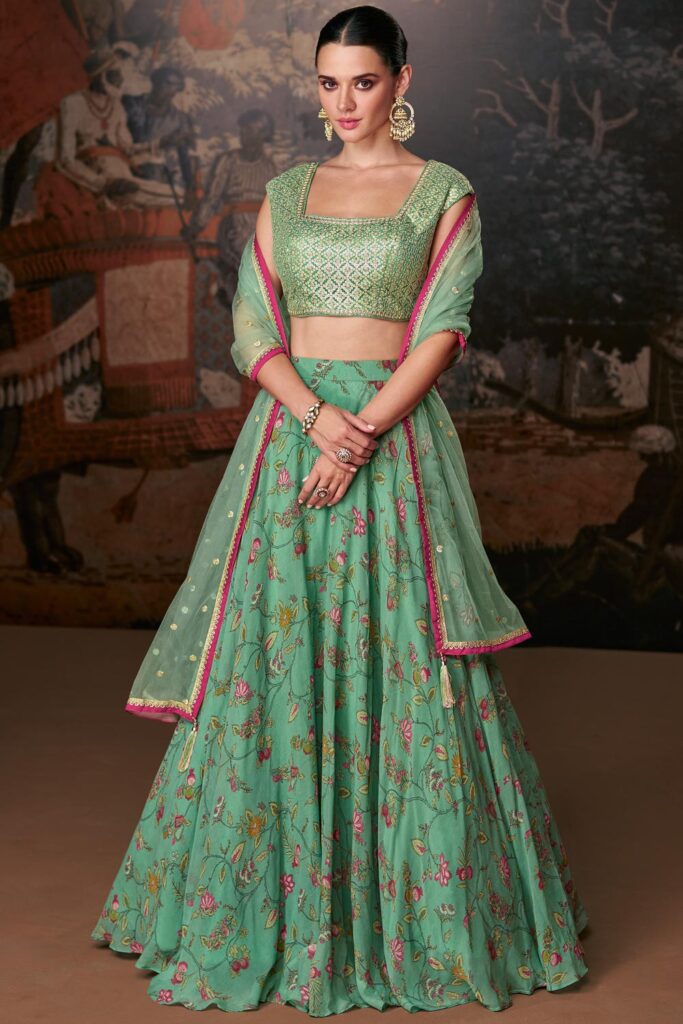
In collections featuring designer lehengas, this style is often chosen for occasions when the outfit needs to make an impression without relying too heavily on embellishment. The volume itself does most of the work.
Panelled Skirts
Panelled designs feel slightly more controlled. Instead of one wide flare, the volume builds gradually through stitched panels.
They’re commonly seen in modern versions of designer lehengas, especially where movement matters. Walking feels easier, and the outfit doesn’t feel overly heavy.
Layered Flare Designs
Layered styles bring a different kind of depth. Instead of relying only on shape, they use fabric layers to create texture.
In fashion showcases, these are often styled under softer lighting because the layers catch light differently, adding quiet detail rather than obvious drama.
What Defines a Flowing Look in Traditional Wear?
Long, Fitted-Top Styles
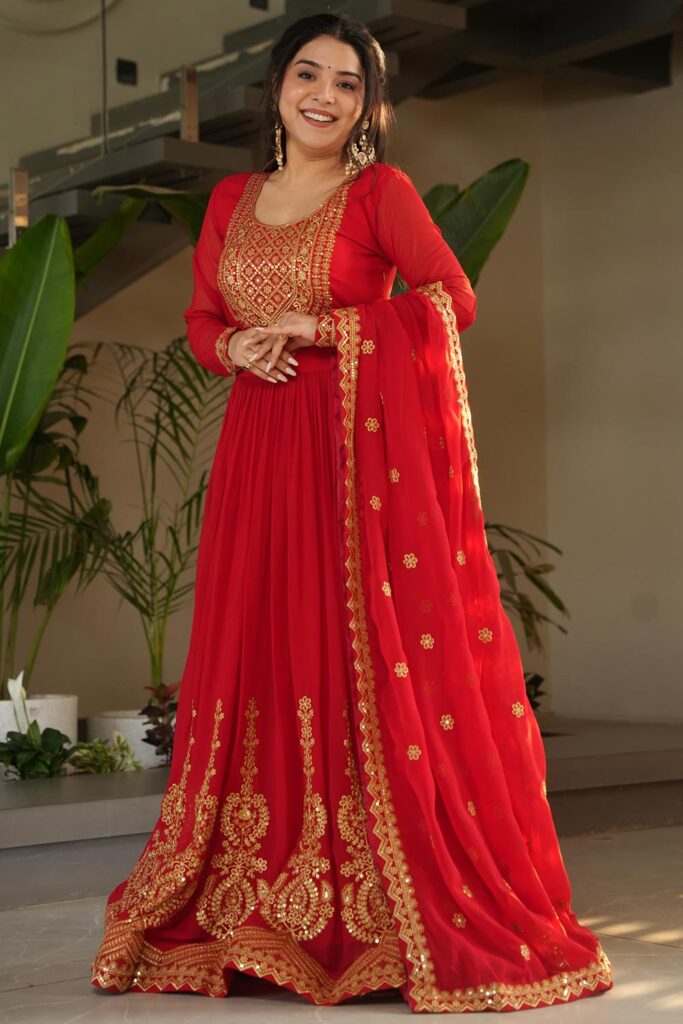
This starts structured at the top and slowly opens out. The transition is smooth, and the flare doesn’t feel forced.
Often seen in designer Anarkali suits, this style works well for occasions where elegance matters more than volume. It doesn’t demand attention, but it holds it.
Straight, Relaxed Cuts
Some styles barely flare at all. They fall straight, giving a more understated appearance. They’re often compared with salwar kameez, especially when comfort is the priority. These are the outfits people tend to wear for longer hours without feeling restricted.
Soft Layered Flow
Layering exists here, too, but in a lighter way. Instead of building volume, it creates movement. In runway settings, these are usually styled. The focus stays on how the fabric moves rather than on how much space it takes up.
How Do You Know Which One Suits You Better?
The answer usually comes down to how the outfit feels after a few minutes of wearing it.
Flared styles tend to suit moments where:
- A stronger visual presence is needed
- Movement is part of the overall look
- The setting leans more traditional
Flowing styles often work better when:
- The event is longer, and comfort matters
- The look needs to feel effortless
- A softer appearance feels more natural
Stylists often notice that people decide instinctively. The outfit that feels easier to wear usually ends up being the right one.
Does Fabric Change the Way These Styles Work?
Very much so. The same design can look completely different depending on the fabric.
Heavier fabrics hold shape, which supports flared silhouettes. Lighter fabrics, like chiffon or georgette, fall naturally and suit flowing styles better.
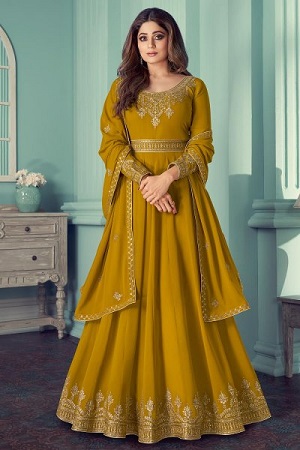
In garments like an Anarkali dress, the fabric choice can completely change how the outfit behaves. A slight difference in weight can affect how it moves while walking or sitting.
Are Traditional Styles Being Worn Differently Today?
They are, but not in a drastic way. The changes are subtle. Designers are blending elements—adding softer layers to structured pieces or introducing slight flare into otherwise straight silhouettes.
In recent fashion collections, versatility has become more important. Outfits are no longer designed for just one type of occasion. They’re expected to adapt.
What Should Be Considered Before Making a Choice?
It helps to think beyond how the outfit looks in photos.
A few things often make a difference:
- How long the outfit will be worn
- Whether there will be a lot of movement
- How comfortable it feels after some time
In fittings, it’s often clear that comfort influences confidence. When an outfit feels right, it shows without needing explanation.
Conclusion
Flared and flowing styles offer two very different experiences. One creates shape and presence, while the other focuses on ease and movement. Both have their place, and neither replaces the other. Whether it’s the structure seen in designer lehengas or the softer fall of designer Anarkali suits, the choice comes down to what feels right when worn. With options like salwar kameez and the timeless appeal of an Anarkali dress, finding the right silhouette becomes a matter of comfort, occasion, and personal style rather than trend alone.

