


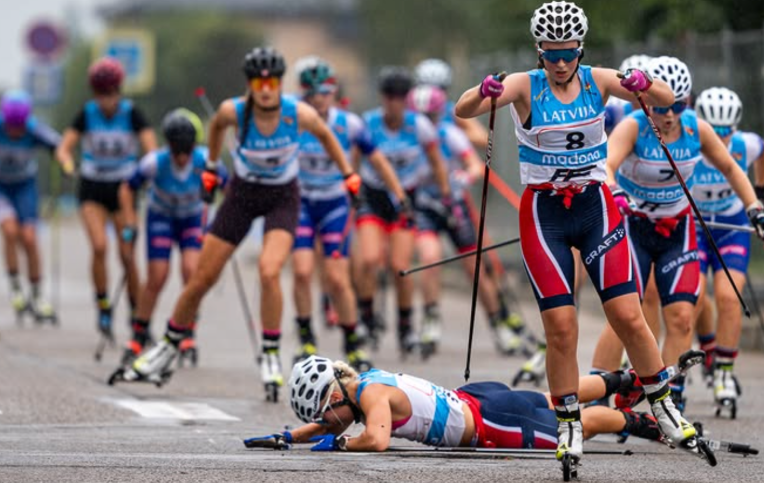
For cross-country skiers, summer training is not just about staying fit. It is about preserving technique, rhythm, balance, and confidence before winter returns. Running, cycling, and gym work all have their place, but nothing replaces the specific movement pattern of skiing as closely as rollerskiing.
The challenge is that not all rollerskis feel the same. Some models are fast but unstable. Others are durable but uncomfortable on rough asphalt. Many beginners also struggle with control, especially on descents or when the road surface changes. That is why choosing the right rollerski matters so much.
A good rollerski should help the athlete train naturally. It should support proper diagonal stride, smooth weight transfer, stable skating technique, and controlled braking. When the equipment feels unpredictable, the skier often becomes tense. That tension can affect technique and make longer training sessions less enjoyable.
This is where modern rollerski design has become much more advanced. Brands now focus not only on speed, but also on safety, vibration reduction, rolling resistance, and a more realistic ski-like feeling. The goal is simple: make dryland training feel closer to real skiing.
One example of this progress is FF Skis, a Norwegian rollerski company focused on creating stable, durable, and high-performance rollerskis for both classic and skate training. Their equipment is designed to mimic the feeling of skiing as closely as possible, while still giving athletes the control they need on asphalt.
For skiers who want a premium option, The World’s Most Advanced Rollerski offers an interesting combination of Norwegian engineering, stability, and ski-like performance. Features such as vibration damping, controlled wheel behavior, and specialized wheel technology can make a noticeable difference during long sessions.
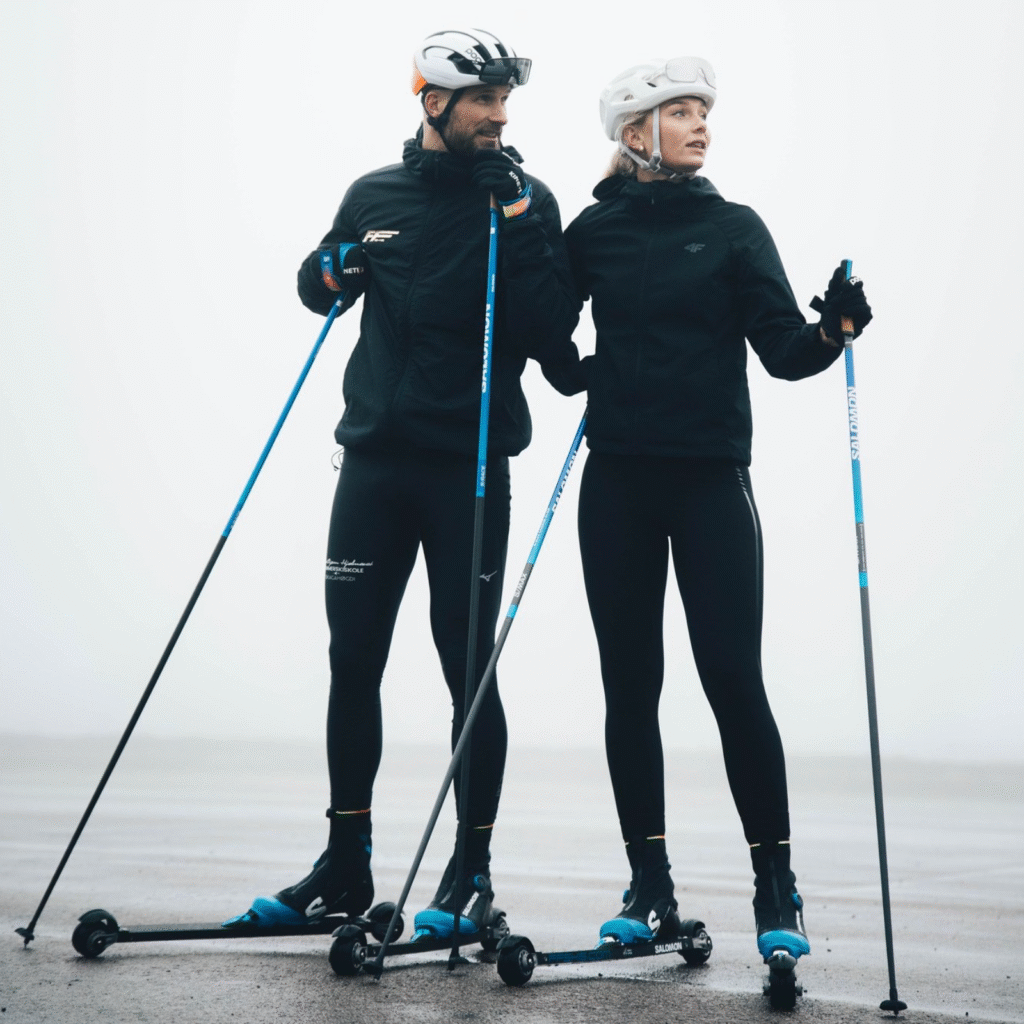
This is especially important for athletes who train several times per week. Small details become significant over time. A smoother ride can reduce fatigue. Better stability can improve confidence. More realistic rolling resistance can make workouts more specific. And safer control can allow skiers to focus more on technique instead of worrying about the road.
Beginners can also benefit from better equipment. A stable rollerski helps new skiers build balance and coordination faster. Instead of fighting the equipment, they can focus on learning the movement. For experienced skiers, the benefit is different: higher-quality rollerskis can make off-season sessions more precise, structured, and transferable to snow.
Of course, rollerskis are only one part of training. Good technique, protective gear, safe routes, and consistent practice are still essential. But equipment can either support progress or make it harder. For anyone serious about cross-country skiing, investing in the right rollerski is not just a gear decision. It is a training decision.
As the sport continues to evolve, rollerski technology will likely become even more important. The closer summer training can feel to winter skiing, the better prepared athletes will be when the snow finally arrives.

