


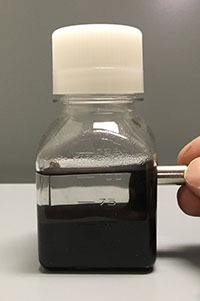
Rapid diagnostics demand accuracy, speed, and reproducibility. Whether you work in clinical research, biotechnology, pharmaceutical development, or diagnostic assay production, you need purification tools that simplify workflows without compromising sensitivity. That is where high-performance Magnetic Beads Protein A for rapid antibody purification becomes an essential solution.
Magnetic bead technology has transformed modern laboratory procedures by reducing manual processing steps and enabling faster biomolecule separation. When combined with Protein A affinity chemistry, magnetic beads become highly effective for isolating antibodies in diagnostic applications. You can achieve cleaner samples, shorter processing times, and more reliable outcomes while maintaining scalability for high-throughput testing environments.
Understanding Magnetic Beads Protein A
Magnetic Protein A beads are specialized particles coated with Protein A, a bacterial cell wall protein known for its strong affinity toward the Fc region of immunoglobulin G (IgG) antibodies. These beads are engineered with magnetic cores, allowing you to separate bound antibodies quickly using a magnetic stand instead of centrifugation or filtration.
This technology simplifies antibody capture during immunoassays, biomarker analysis, infectious disease testing, and diagnostic kit development. Since rapid diagnostics often rely on high-purity antibodies for sensitivity and specificity, magnetic separation offers a practical advantage.
By using Magnetic Beads Protein A for efficient antibody isolation workflows, you can streamline laboratory operations and reduce turnaround times in diagnostic applications.
Faster Processing Improves Diagnostic Efficiency
One of the biggest advantages of magnetic bead systems is speed. Traditional chromatography methods may involve multiple washing, centrifugation, and transfer steps. These processes consume valuable time and increase the risk of sample loss.
Magnetic separation minimizes handling by allowing you to isolate target antibodies within minutes. Once antibodies bind to the Protein A surface, applying a magnetic field quickly separates the beads from the solution. This rapid workflow is especially valuable in diagnostic laboratories handling large sample volumes daily.
You can accelerate:
- Antibody purification
- Immunoprecipitation
- Diagnostic assay preparation
- Biomarker detection workflows
- Pathogen identification research
Shorter processing times also help maintain biomolecule stability, which is critical in sensitive diagnostic procedures.
High Specificity Enhances Diagnostic Accuracy
Rapid diagnostics require highly specific interactions to minimize false positives and false negatives. Protein A demonstrates strong binding affinity for many IgG subclasses, making it highly effective for antibody capture applications.
When you use magnetic Protein A beads, you can isolate antibodies with greater purity compared to conventional precipitation methods. Cleaner antibody preparations improve assay sensitivity and help generate more reliable diagnostic results.
This level of specificity becomes particularly important in:
- ELISA development
- Autoimmune disease testing
- Infectious disease diagnostics
- Cancer biomarker research
- Therapeutic antibody screening
Using advanced Magnetic Beads Protein A solutions for diagnostic assay development can help you improve consistency across multiple experiments and testing batches.
Reduced Sample Loss Supports Sensitive Applications
Diagnostic samples are often limited in volume, especially when working with patient-derived materials or rare biomarkers. Conventional purification approaches may lead to sample loss during centrifugation, filtration, or transfer steps.
Magnetic bead systems significantly reduce handling requirements. Because the beads can be collected magnetically inside the same tube, you preserve more of your target molecules throughout the workflow.
This benefit is especially valuable when you work with:
- Low-abundance antibodies
- Small clinical samples
- Early-stage biomarker discovery
- Pediatric or rare disease samples
Higher recovery rates contribute directly to better analytical sensitivity in diagnostic testing.
Scalability for High-Throughput Diagnostics
Modern diagnostic laboratories often process hundreds or thousands of samples daily. Scalability is critical for maintaining productivity without sacrificing data quality.
Magnetic Protein A beads are highly adaptable to both manual and automated systems. You can use them in small research settings or integrate them into robotic liquid handling platforms for large-scale diagnostic operations.
Automation compatibility provides several advantages:
- Consistent processing conditions
- Reduced technician variability
- Faster sample throughput
- Improved reproducibility
- Lower labor requirements
As diagnostic demand continues to grow worldwide, scalable purification technologies become increasingly important for operational success.
Improved Reproducibility Across Experiments
Consistency is essential in diagnostics because even minor variations can affect test reliability. Magnetic bead workflows reduce procedural variability by simplifying purification steps and minimizing manual intervention.
When you standardize your antibody isolation process using magnetic Protein A beads, you can generate more reproducible data across multiple assays and operators. This consistency supports quality control requirements in regulated laboratory environments.
Reliable reproducibility benefits:
- Clinical validation studies
- Diagnostic kit manufacturing
- Research standardization
- Batch-to-batch consistency
- Regulatory compliance efforts
Compatibility With Multiple Diagnostic Platforms
Magnetic Protein A beads integrate well with a wide range of diagnostic technologies. Their flexibility allows you to adapt them to various workflows without extensive protocol redesign.
Common applications include:
- ELISA preparation
- Lateral flow assay development
- Immunoprecipitation
- Cell isolation
- Biosensor platforms
- Immunodiagnostic research
Their versatility makes them an attractive option for laboratories seeking efficient purification tools across multiple projects.
Simplified Workflow Reduces Operational Costs
Laboratories constantly look for ways to improve efficiency while controlling operational expenses. Magnetic bead systems reduce labor-intensive procedures, decrease reagent waste, and shorten assay preparation times.
You can lower overall costs by minimizing:
- Manual handling
- Equipment requirements
- Processing delays
- Sample repeat testing
- Workflow complexity
Over time, these advantages contribute to better laboratory productivity and improved resource management.
Choosing the Right Magnetic Protein A Beads
Not all magnetic bead products deliver the same performance. When selecting a solution for rapid diagnostics, you should evaluate:
- Binding capacity
- Bead uniformity
- Magnetic responsiveness
- Antibody recovery efficiency
- Compatibility with automation
- Low nonspecific binding characteristics
Choosing reliable purification materials helps ensure long-term assay stability and dependable diagnostic performance.
If you want to optimize your diagnostic workflows with reliable purification technologies, Contact us today for expert support and customized laboratory solutions.
Conclusion
Rapid diagnostics depend on technologies that deliver speed, precision, and reproducibility. Magnetic Protein A beads help you simplify antibody purification while improving sample recovery and assay consistency. Their compatibility with automation, high specificity, and reduced processing time make them ideal for modern diagnostic laboratories.
By incorporating Magnetic Beads Protein A for high-sensitivity rapid diagnostics into your workflows, you can strengthen analytical performance and support faster, more accurate diagnostic outcomes.
FAQ About Magnetic Beads Protein A
What are Magnetic Beads Protein A used for?
Magnetic Beads Protein A are primarily used for antibody purification, immunoprecipitation, diagnostic assay preparation, and biomarker research. They help isolate IgG antibodies quickly and efficiently.
Why are magnetic beads preferred in rapid diagnostics?
Magnetic beads simplify separation procedures and reduce processing time. Their magnetic properties allow quick isolation without centrifugation, making workflows faster and more reproducible.
How does Protein A improve antibody purification?
Protein A binds strongly to the Fc region of many IgG antibodies, enabling highly selective antibody capture and purification with improved sample purity.
Can Magnetic Beads Protein A support automation?
Yes. Magnetic bead systems are compatible with automated liquid handling platforms, making them ideal for high-throughput diagnostic laboratories.
Are magnetic Protein A beads suitable for small sample volumes?
Yes. They minimize sample loss and work efficiently with limited-volume clinical or research samples, making them valuable for sensitive diagnostic applications.
What diagnostic applications benefit from Magnetic Beads Protein A?
These beads are widely used in ELISA development, infectious disease testing, cancer biomarker studies, autoimmune diagnostics, and therapeutic antibody research.

