


Employee exits happen. Confusion, delayed payments, and awkward follow-ups don’t have to.
Yet, for many organisations, the Full and Final (FNF) settlement becomes one of the messiest parts of an employee’s journey.For employees, it’s the moment that decides whether they leave with trust or frustration.For employers, it’s a direct reflection of professionalism, compliance, and culture.
So what exactly is an FNF settlement, and why does it matter more than most people realise?
Let’s break it down without overcomplicating it.
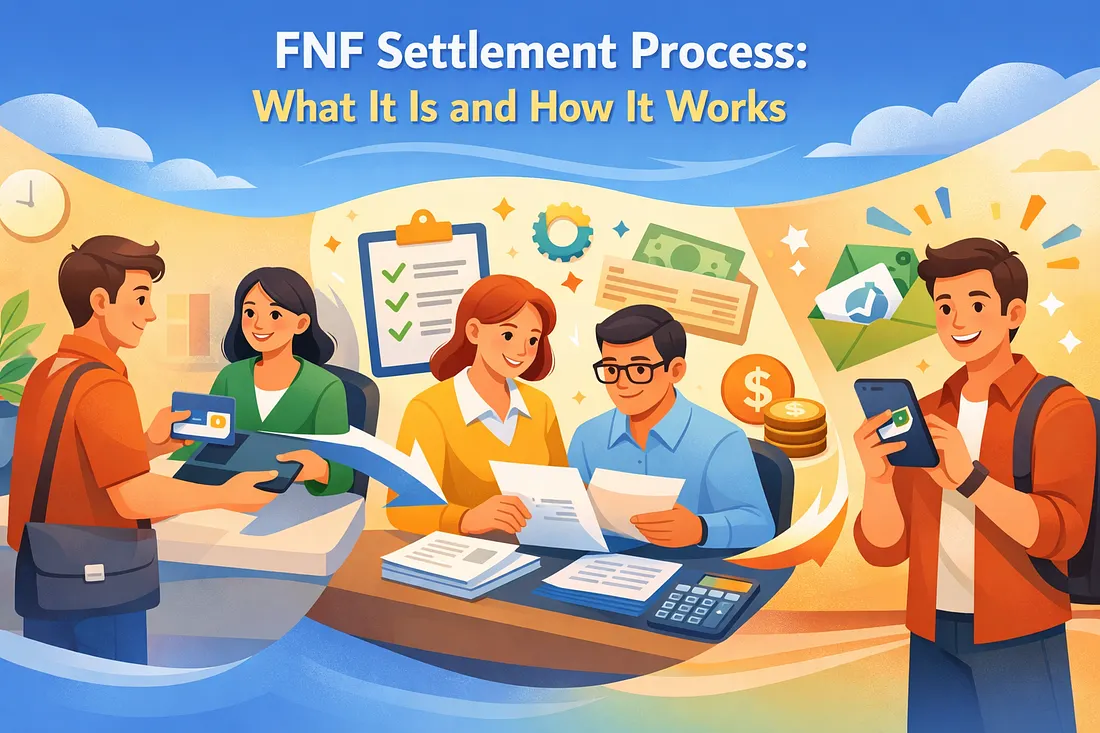
What Is an FNF Settlement (Really)?
An FNF settlement is the final financial closure between an employee and an organisation when the employee exits.
It includes everything that needs to be paid or adjusted:
- Salary till the last working day
- Unused leave encashment
- Bonuses or incentives (if applicable)
- Approved reimbursements
- Statutory components like PF, ESI, gratuity
- Minus deductions such as loans, advances, or taxes
Think of it as the final financial handshake — clean, clear, and complete.
Why FNF Settlement Deserves More Attention
Many companies treat FNF settlement as just another payroll task.
That’s a mistake.
A poorly handled FNF settlement can:
- Damage employee trust
- Create legal and compliance risks
- Hurt employer branding
- Lead to unnecessary disputes
On the flip side, a smooth FNF process signals transparency, fairness, and maturity in HR operations.
Key Components (At a Glance)
An FNF settlement typically includes:
- Pending Salary — earnings till the last day
- Leave Encashment — unused earned leave
- Bonuses & Incentives — as per policy
- Reimbursements — approved but unpaid expenses
- Deductions — loans, advances, statutory cuts
- Statutory Benefits — PF, gratuity, ESI, taxes
Miss even one of these, and the settlement becomes incomplete — or worse, incorrect.
How the FNF Settlement Process Usually Works
In most organisations, the process flows like this:
- Employee exit is initiated
2. Attendance, leave, and payroll data is collected
3. Calculations are done
4. Approvals are taken
5. Payment is released
6. Records are closed
Sounds simple — but manual handling often leads to errors, delays, and compliance gaps.
The Real Challenge: Manual FNF Settlements
Spreadsheets, emails, and disconnected systems make FNF settlements risky.
Common problems include:
- Calculation mistakes
- Missing leave or reimbursement data
- Delayed approvals
- Incorrect statutory deductions
This is exactly where HR automation changes the game.
How iFive HRMS Makes FNF Settlement Effortless
iFive HRMS automates the entire FNF settlement process by seamlessly integrating attendance, leave, payroll, and statutory components into one system.
No manual calculations.
No missing data.
No compliance stress.
With built-in PF, ESI, gratuity, and tax handling, plus approval workflows and audit trails, HR teams can close exits faster and more accurately, while employees leave with clarity and confidence.
Final Thoughts (And Your Next Step)
FNF settlement isn’t just about closing payroll; it’s about closing relationships the right way.
If you want a deeper breakdown of components, legal considerations, best practices, and a step-by-step framework, read the full blog on the FNF Settlement Process.
👉 Discover how iFive HRMS transforms complex exits into smooth, compliant, and professional experiences.
👉 Read the main blog and see how smarter HR technology makes all the difference.
FNF Settlement Process: What It Is and How It Works

