


Mumbai is more than India’s financial capital—it is a dynamic canvas of ambition, resilience, and architectural evolution. Over the decades, the city’s skyline has transformed dramatically, reflecting economic growth, technological advancement, and global design influences. At the heart of this transformation are the top architects in Mumbai, whose innovative ideas and sustainable solutions continue to redefine urban living.
From soaring residential towers and cutting-edge corporate hubs to mixed-use developments and cultural landmarks, Mumbai’s architecture represents a balance between density and design excellence. In this guest post, we explore how visionary architects are reshaping the city while influencing trends across India, including the growing demand for hotel architects in Delhi who are redefining hospitality design.
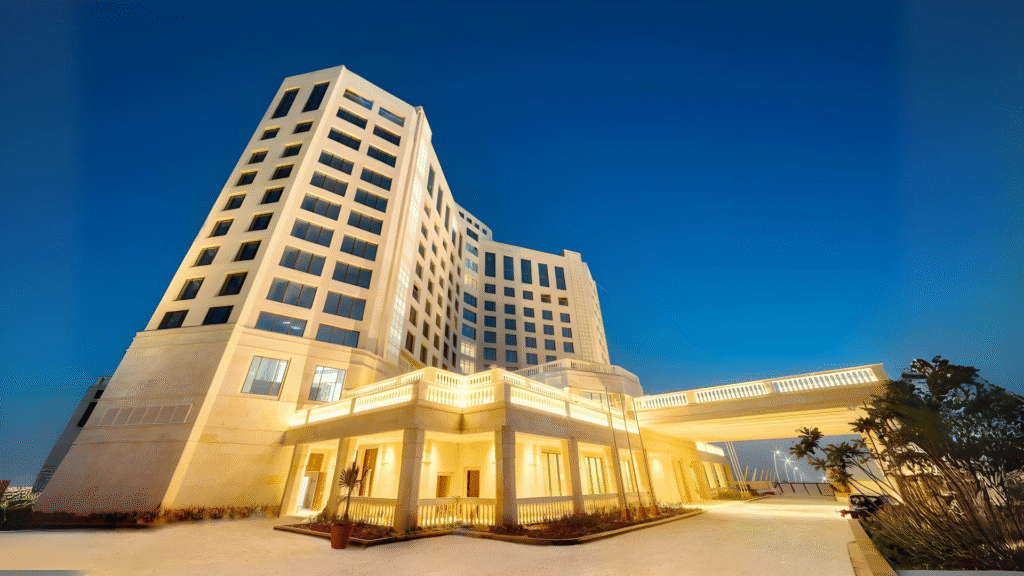
Mumbai: A City of Vertical Growth
Limited land availability and a rapidly growing population have made vertical development essential in Mumbai. Unlike many cities that expand outward, Mumbai builds upward. The top architects in Mumbai are responding to this challenge by designing high-rise structures that maximize space efficiency while maintaining aesthetics and environmental responsibility.
Modern skyscrapers in the city feature:
- Energy-efficient façades
- Smart building automation systems
- High-performance glazing to reduce heat gain
- Rainwater harvesting and recycling systems
- Landscaped terraces and sky gardens
These features are no longer optional luxuries—they are integral components of responsible urban architecture.
Innovation in Residential Architecture
Luxury residential towers in Mumbai have set new benchmarks in design and comfort. Architects are integrating biophilic elements, cross-ventilation strategies, and intelligent layouts to create homes that are both sustainable and aspirational.
Hafeez Contractor
Hafeez Contractor is widely recognized for shaping Mumbai’s modern skyline. His large-scale residential and commercial projects demonstrate how density can coexist with design sophistication. Many developments now integrate green building standards, reflecting a shift toward sustainable luxury.
Commercial and Mixed-Use Developments
Mumbai’s commercial architecture is equally impressive. Corporate headquarters, IT parks, and mixed-use complexes are designed to foster productivity and reduce environmental impact. The top architects in Mumbai focus on flexible workspaces, natural daylight integration, and energy optimization to meet global standards.
Smart infrastructure, efficient circulation planning, and digital modeling tools such as BIM (Building Information Modeling) enable architects to predict building performance before construction begins. This forward-thinking approach reduces costs and ensures long-term sustainability.
Sustainable Urban Solutions
Sustainability has become central to Mumbai’s architectural narrative. Coastal vulnerability and climate change concerns have encouraged architects to design resilient structures that can withstand environmental challenges.
Brinda Somaya
Brinda Somaya is known for combining restoration with modernization. Her projects highlight adaptive reuse, proving that sustainability also involves preserving cultural heritage while updating functionality.
This philosophy aligns with the broader movement among the top architects in Mumbai, who are increasingly adopting eco-friendly materials, renewable energy systems, and waste reduction techniques.
Influence Beyond Mumbai: Hospitality and National Impact
While Mumbai’s skyline continues to evolve, architectural innovation is spreading across India. One sector witnessing a remarkable transformation is hospitality. The expertise of hotel architects in Delhi is shaping iconic luxury hotels, boutique properties, and mixed-use hospitality hubs in the capital city.
Hospitality design demands a careful balance of functionality, aesthetics, and guest experience. Architects must consider:
- Efficient room layouts
- Energy-saving HVAC systems
- Sustainable water management
- Acoustic optimization
- Cultural and contextual design elements
The collaboration between urban designers in Mumbai and hotel architects in Delhi demonstrates how architectural innovation transcends regional boundaries.
Technology as a Catalyst for Change
Advanced technology is playing a crucial role in shaping Mumbai’s skyline. Parametric design software, 3D visualization tools, and sustainable material innovations allow architects to experiment with bold forms and efficient systems.
Glass façades with solar control coatings, modular construction techniques, and green certification frameworks such as LEED and IGBC are becoming common. These technological integrations ensure that the work of the top architects in Mumbai meets international performance standards.
Redefining Luxury with Responsibility
Luxury in modern architecture is no longer defined solely by height or grandeur. It now includes environmental consciousness, wellness-oriented design, and community integration.
High-rise towers in Mumbai increasingly incorporate:
- Sky lounges and communal terraces
- Vertical gardens
- Natural ventilation shafts
- Smart home automation systems
Such features enhance the quality of life while reducing resource consumption. This holistic approach reflects a broader shift in the architectural mindset across India.
The Role of Collaboration and Urban Planning
Urban transformation requires collaboration among architects, planners, engineers, and policymakers. The top architects in Mumbai are working closely with infrastructure experts to design transit-oriented developments and sustainable neighbourhoods.
Similarly, hotel architects in Delhi are collaborating with hospitality brands and sustainability consultants to create eco-certified properties that align with global tourism trends. Integrated planning ensures that buildings contribute positively to their surroundings rather than overwhelming them.
Challenges and Opportunities Ahead
Despite significant progress, architects face ongoing challenges, including regulatory complexities, rising construction costs, and environmental uncertainties. However, these challenges also create opportunities for innovation.
Resilient design, adaptive reuse of older structures, and carbon-neutral construction methods will shape the next phase of Mumbai’s skyline transformation. As cities evolve, architects must continue balancing ambition with accountability.
A Vision for the Future
The skyline of Mumbai symbolizes aspiration and progress. The top architects in Mumbai are not just constructing buildings—they are designing experiences, shaping communities, and influencing national trends. Their work sets standards for urban development across India.
Simultaneously, the growing expertise of hotel architects in Delhi reflects the expanding scope of architectural excellence in the country. Together, these professionals are redefining how Indians live, work, and travel.
Conclusion
Mumbai’s architectural journey is a testament to innovation, resilience, and visionary leadership. The top architects in Mumbai continue to transform the city skyline with sustainable high-rises, intelligent commercial hubs, and thoughtfully designed residential spaces. Their influence extends beyond the city, inspiring sectors such as hospitality, where hotel architects in Delhi are creating world-class destinations that prioritize design and environmental responsibility.
Among the prominent contributors to India’s architectural growth is CP Kukreja Architects, a firm known for its commitment to sustainable planning, large-scale infrastructure expertise, and forward-thinking design solutions. With a legacy of impactful projects and a future-focused vision, CP Kukreja Architects continues to shape modern architecture across the country, contributing meaningfully to India’s evolving skyline and urban narrative.

