


The Driveway Decision Most Homeowners Struggle With
Picking a driveway sounds simple. Until you actually have to do it. Then suddenly there are too many options, too many opinions, and every contractor says something different. Around Carteret, homeowners usually end up comparing asphalt, concrete, gravel… maybe pavers if the budget allows. But here’s the thing most people figure out a little late — the driveway isn’t just about looks. It’s about durability, weather, and how much maintenance you’re willing to deal with. That’s why people searching for asphalt paving carteret services usually start with one big question: what actually holds up best around here?
Why Asphalt Is So Common Around Carteret
Drive around Carteret for ten minutes and you’ll see it everywhere. Long black driveways, smooth and slightly matte. That’s asphalt. There’s a reason local contractors keep recommending it. Asphalt handles temperature swings pretty well, which matters in New Jersey where winters freeze and summers get sticky-hot. Concrete can crack under those conditions. Gravel shifts. Asphalt flexes a bit. Not perfect, nothing is, but it holds together longer than people expect. That’s why experienced crews doing asphalt paving carteret projects often say it’s the most practical solution for typical residential homes.
Durability Matters More Than Most People Realize
A driveway takes abuse. Delivery trucks, garbage trucks, construction vans, kids learning to drive (yeah… that happens). Over time the surface gets tested. Asphalt does a decent job absorbing that stress because it has a bit of flexibility built into the material. Concrete, on the other hand, tends to crack once pressure points start forming. Repairing those cracks isn’t always simple either. If someone asks contractors about the best material for a driveway, durability almost always ends up steering the conversation back toward asphalt.
Installation Speed Can Actually Matter
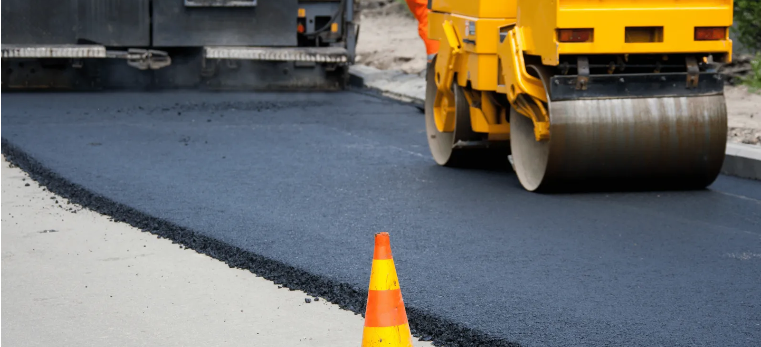
Here’s something homeowners don’t always think about until the work starts — how long their driveway will be unusable. Concrete installations can stretch out over several days, sometimes longer depending on curing time. Asphalt paving usually moves quicker. A professional crew doing asphalt paving carteret work can often prep, pour, and compact within a day. Then after about 24–48 hours, vehicles can usually drive on it again. Faster project. Less disruption. For busy households, that alone can make the decision easier.
Maintenance Isn’t Zero, But It’s Manageable
No driveway is maintenance-free. Anyone promising that is selling something. Asphalt does require occasional sealing, typically every few years. The upside though? Repairs tend to be simpler and cheaper compared to concrete replacement. Small cracks can be sealed before they spread. Surface wear can be refreshed with sealcoating. When homeowners ask contractors about the best material for a driveway, maintenance always comes up, and asphalt usually lands in that sweet spot — not maintenance-free, but definitely manageable.
Weather Resistance Is a Big Deal in New Jersey
New Jersey weather is unpredictable. One week you’re shoveling snow, the next week it’s pouring rain. Freeze-thaw cycles are brutal on driveway surfaces. Water seeps into small cracks, freezes, expands, and suddenly that tiny crack becomes a real problem. Asphalt tends to handle this better because it expands and contracts without breaking apart as easily. That flexibility is a huge reason why companies specializing in asphalt paving carteret projects recommend it for long-term performance.
Cost Is Usually the Deciding Factor
Let’s be honest. Budget matters. A lot. Concrete and decorative pavers can look fantastic, no question. But they also cost significantly more. Asphalt usually comes in as the more affordable option upfront while still delivering solid longevity. For homeowners balancing performance with cost, the numbers often point toward asphalt. When contractors walk clients through the best material for a driveway, the price-to-performance ratio tends to push asphalt to the top of the list.
Conclusion: Practical, Reliable, and Built for Real Life
At the end of the day, driveway decisions shouldn’t be based on appearances alone. Durability, installation time, maintenance, and local weather all play a role. For many Carteret homeowners, asphalt simply checks the most boxes. It installs faster, handles seasonal temperature swings, and repairs are relatively straightforward when needed. That’s why professional asphalt paving carteret contractors keep recommending it. It may not be flashy. But it’s reliable, practical, and built to handle real daily life — which honestly matters more than perfect looks.

