


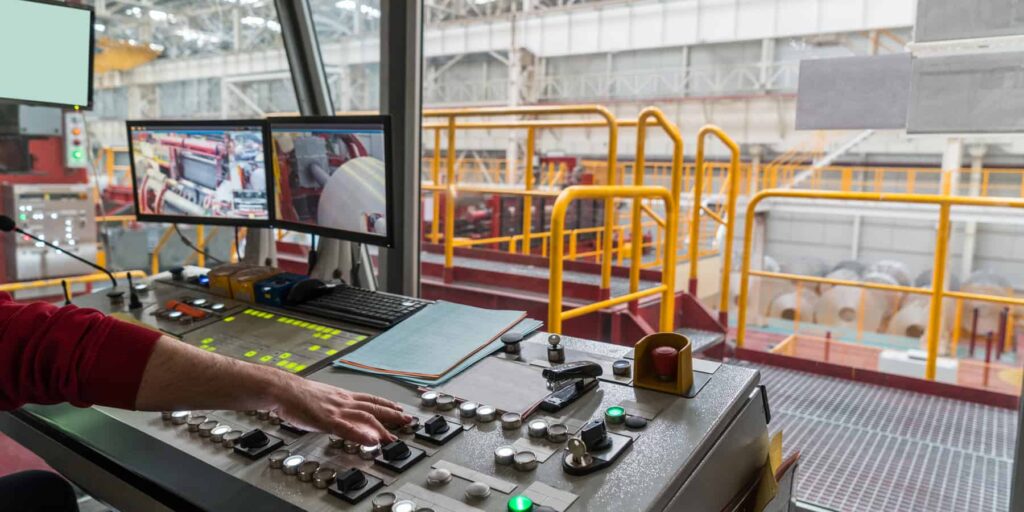
In modern-day’s rapid industrial landscape, manufacturers are frequently looking for ways to develop operations, decrease inactive time and develop entire effectiveness. Among the most powerful tactics to reach these objectives is control system integration NC. By merging different machines, processes and software units into a combined system, producers can reach simple operations, developed supervision and clever problem solving. In this post will discuss how control systems integration can change manufacturing effectiveness.
What is Control System Integration NC?
Control system integration indicates the procedure of merging various control systems, such as configurable logic controllers PLCs, operator interfaces, detectors as well as software into a single, united system. This integration lets data flow clearly between various tools as well as software, letting unified supervision and oversight. Unlike standalone systems, integrated control systems decrease duplications, avoid errors and make a more streamlined procedure, eventually saving time as well as charge.
Streamlining Manufacturing Processes
Among the main ways integrated control systems develop effectiveness is by refining the production procedure. Conventionally, various tools or production lines perform independently, always demanding manual action or separate supervision systems. Integration lets all procedures communicate with one another, conveying changing in one part of the line can automatically trigger responses in another. Idle time is among the most expensive challenges in manufacturing. With control system integration, producers can include proactive upkeep tactics. By frequently supervising maintenance and checking data live, the system can find possible failures before they happen. For instance, in case a detector finds irregularities in a motor, the system can indicate specialists to take proactive action.
Enhancing Data-Driven Decision Making
In the world of smart manufacturing, data is a producer’s most valuable asset. Integrated control systems integrate information from various sources, offering an obvious and detailed view of operations. Control system integration lets live reporting as well as analytics, letting supervisors to make updated choices rapidly. Whether developing production plans, changing resource arrangements or developing energy effectiveness, the capability to utilize accurate data can drastically improve operational efficiency.
Improving Product Quality
Product validation is another place where control system integration has a notable impact. Integration lets manufacturers to supervise and change production variables automatically, making sure continuity across every batch. For instance, temperature and load can be regulated accurately, decreasing the probability of defects. In addition, unified systems make it simpler to trace manufacturing logs, which is super important for regulatory compliance as well as consistent development programs.
Reducing Operational Costs
By developing effectiveness, decreasing inactive time and developing product quality, control system integration directly invests in cost savings. Minimal errors convey less waste, developed manufacturing minimizes energy consumption and proactive upkeep minimizes repair charges. As time goes on, these savings can be significant, creating integration not only a technological update, but a tactical contribution for any manufacturing operation.
Supporting Scalability and Flexibility
As the market develops, producing facilities have to change rapidly to new requirements. Control system integration offers the expandability required to develop operations without huge interruptions. New machines, production lines or application lines can be added to the unified system with minimal input. This makes sure that the production process stays effective even as complication develops, allowing companies to respond more quickly to shifting market demands.
Real-World Examples of Efficiency Gains
Various manufacturing services have seen quantifiable effectiveness gains through control system integration. For example, automotive manufacturing lines utilizing included systems have reported up to a twenty percent reduction in production process duration. Food and refreshment producers have developed batch continuity as well as minimizing spoilage through immediate supervision. These instances represent the revolutionary power of integration throughout various sectors as well as production surroundings.
Choosing the Right Control System Integration NC Solution
To develop gains, it is super important to choose the right control system integration service. Factors to analyze involve integration with current machinery, expandability, user-friendly implementation as well as vendor support. Collaborating with seasoned integration specialists makes sure a clear implementation and reduces interruptions during the change process. A well-planned integration tactic can change a complicated manufacturing process into a highly effective, completely automated operation. Looking ahead, control system integration will play an even bigger role in the manufacturing sector. Developments in IoT, artificial intelligence as well as machine learning will enable integrated systems to become smarter, forecasting energy usage and even recommending process developments independently. Producers who utilize integration today are positioning themselves for long-term efficiency as well as sustainable success.
Effectiveness is the core element of producing as well as control system integration, which delivers a proven approach to reaching it. By merging machines, software as well as procedures into a combined system, producers can ease operations, decrease inactive time and minimize charges. In a competitive market, those who modify integrated systems not just develop existing operations but also prepare for a more flexible and intelligent production future. Click here for more details.

