


Have you ever woken up and dreaded that first step out of bed? Does walking feel more like a chore than something you barely think about? Are you one of the countless Aussies who’ve simply accepted foot pain as part of daily life?
Here’s the thing – foot pain isn’t something you should just put up with. Whether it’s a nagging ache in your heel, sharp pain along your arch, or discomfort that radiates up into your ankles and knees, your feet are trying to tell you something. And the right orthotics might just be the answer you’ve been searching for.
In this guide, we’ll explore everything you need to know about orthotics and how they can transform your daily comfort. From understanding what causes foot pain in the first place to figuring out whether custom orthotics are worth the investment, we’ve got you covered. We’ll also look at how long it takes for orthotics to make a difference, which type suits your lifestyle best, and how to care for them properly. By the end, you’ll have a clear picture of how to take that first step towards pain-free feet.
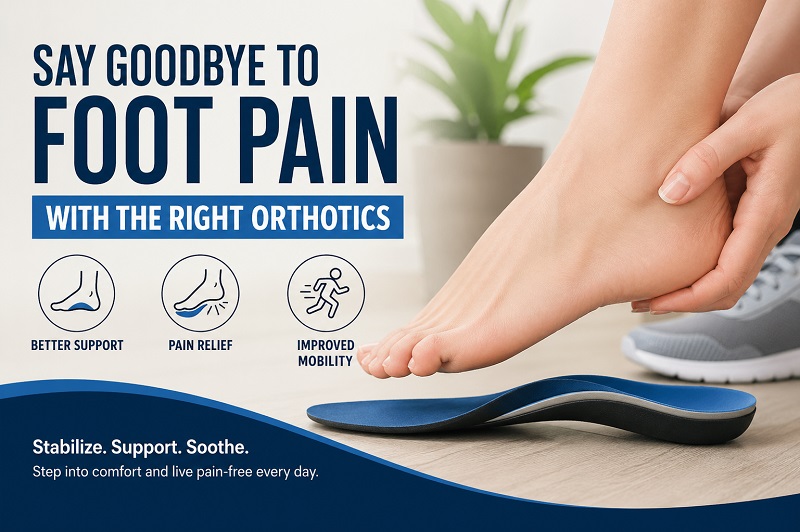
What Are Orthotics and How Do They Work?
The Difference Between Custom Orthotics and Off-the-Shelf Insoles
Let’s clear something up straight away – not all shoe inserts are created equal. Off-the-shelf insoles are mass-produced and designed to fit a general foot shape. You’ll find them at chemists, supermarkets, and sports shops. They offer basic cushioning and support, which can help with minor discomfort.
Custom orthotics, on the other hand, are specifically made for your feet. A podiatrist takes detailed measurements and moulds of your feet, creating inserts that address your unique biomechanical needs. Think of it like the difference between buying a suit off the rack versus having one tailored to your exact measurements.
Also read: Foot and Ankle Care Services
How Orthotics Support Your Feet, Ankles, and Beyond
Orthotics work by redistributing pressure across your feet, correcting alignment issues, and providing targeted support where you need it most. When your feet are properly aligned, the benefits ripple upwards – your ankles, knees, hips, and even your lower back can feel the positive effects.
They essentially act as a foundation for your entire body. Just as a house needs solid foundations, your body needs properly supported feet to function at its best.
Common Causes of Foot Pain That Orthotics Can Address
Plantar Fasciitis: The Most Common Culprit
If you experience stabbing heel pain first thing in the morning, plantar fasciitis is likely the cause. This condition involves inflammation of the thick band of tissue running along the bottom of your foot. Orthotics can help by providing arch support and reducing strain on the plantar fascia.
Flat Feet and Overpronation
Flat feet occur when the arches collapse, causing the entire sole to touch the ground. This often leads to overpronation – where your feet roll inward excessively when walking. Orthotics with proper arch support can correct this alignment issue and reduce associated pain.
High Arches and Supination
On the flip side, high arches can cause supination, where your feet roll outward. This puts extra pressure on the outer edges of your feet and can lead to ankle instability. Cushioned orthotics help distribute weight more evenly.
Heel Pain and Achilles Tendonitis
Heel pain isn’t limited to plantar fasciitis. Achilles tendonitis – inflammation of the tendon connecting your calf to your heel – is another common issue. Orthotics with heel cups and proper cushioning can take pressure off this area.
Bunions, Neuromas, and Other Structural Issues
Bunions, Morton’s neuromas, and other structural problems benefit from orthotics that redistribute pressure away from problem areas. While orthotics won’t reverse these conditions, they can significantly reduce discomfort.
Do Orthotics Really Help with Foot Pain?
What the Research Says
The evidence supporting orthotics is pretty compelling. Multiple studies show that both custom and prefabricated orthotics can effectively reduce foot pain, particularly for conditions like plantar fasciitis. Research published in various podiatric journals consistently demonstrates improvements in pain levels and function.
Who Benefits Most from Wearing Orthotics?
People who stand for long periods, athletes, those with diabetes, and anyone with biomechanical abnormalities tend to see the best results. If your job keeps you on your feet all day – whether you’re a tradie, nurse, or retail worker – orthotics can be genuinely life-changing.
How Do I Know If I Need Orthotics?
Warning Signs Your Feet Are Crying Out for Help
Pay attention to persistent foot pain that doesn’t improve with rest. Uneven shoe wear, frequent ankle sprains, and pain that travels up into your legs or lower back are all red flags. If you’ve noticed calluses developing in unusual spots, that’s another sign your feet aren’t distributing weight properly.
When to See a Podiatrist
Don’t wait until pain becomes unbearable. If foot discomfort is affecting your daily activities, it’s time to book an appointment. A podiatrist can assess your gait, examine your feet, and determine whether orthotics would help.
Custom Orthotics vs. Over-the-Counter: Which Is Right for You?
Pros and Cons of Each Option
Off-the-shelf insoles are affordable and readily available. They’re a good starting point for minor discomfort and can cost anywhere from $20 to $80. However, they lack personalisation and may not address specific issues.
Custom orthotics typically range from $300 to $600 but are tailored to your exact needs. They’re more durable and effective for complex problems. The downside? They require a professional fitting and take longer to obtain.
Are Custom Orthotics Worth the Investment?
For many people, absolutely. If you’ve tried generic insoles without success, or if you have a diagnosed condition requiring specific support, custom orthotics are often the better choice. Consider them an investment in your long-term comfort and mobility.
How Long Does It Take for Orthotics to Work?
The Adjustment Period: What to Expect
Don’t expect overnight miracles. Most people need two to four weeks to adjust to new orthotics. During this time, you might experience some discomfort as your feet adapt to the new support and alignment.
Tips for Breaking In Your New Orthotics
Start by wearing your orthotics for just a few hours daily, gradually increasing wear time. Stick to supportive shoes during the break-in period, and don’t be discouraged by initial discomfort – it typically passes.
Choosing the Best Orthotics for Your Lifestyle
Orthotics for Work Boots and Trade Professionals
Tradies need orthotics that can handle tough conditions. Look for options with shock absorption, moisture-wicking properties, and robust construction. Many companies now make orthotics specifically designed for steel-capped boots.
Orthotics for Runners and Active Lifestyles
Athletes benefit from orthotics that provide dynamic support during movement. These tend to be lighter and more flexible, designed to move with your foot rather than restrict it.
Everyday Orthotics for Casual Footwear
For daily wear, comfort is king. Look for orthotics that fit easily into various shoe styles, from sneakers to dress shoes. Some brands offer slimmer profiles for tighter-fitting footwear.
Can Orthotics Fix Flat Feet Permanently?
Here’s the honest answer – orthotics won’t permanently restructure adult feet. What they do is manage symptoms and provide ongoing support. For children with developing flat feet, early intervention with orthotics can sometimes influence how the feet develop. For adults, consistent orthotic use is typically needed to maintain comfort and proper alignment.
Caring for Your Orthotics: Maintenance and Longevity
How Long Do Orthotics Last?
Quality custom orthotics generally last between two to five years, depending on usage and care. Off-the-shelf options usually need replacing every six to twelve months.
Signs It’s Time to Replace Your Orthotics
Watch for visible wear, reduced cushioning, or returning foot pain. If your orthotics have lost their shape or feel flat, it’s time for new ones.
Take the First Step Towards Pain-Free Feet
So, there you have it – everything you need to know about finding the right orthotics for your feet. From understanding the difference between custom and off-the-shelf options to knowing when it’s time to seek professional help, you’re now equipped to make an informed decision.
The bottom line? Foot pain doesn’t have to be your normal. Whether you’re dealing with plantar fasciitis, flat feet, or general discomfort from being on your feet all day, the right orthotics can make a genuine difference to your quality of life. Plus, the benefits extend beyond your feet – proper alignment can ease strain on your entire body.
Don’t put it off any longer. If your feet have been crying out for help, listen to them. Book an appointment with a podiatrist, explore your options, and take that first step towards the comfortable, pain-free life you deserve. Your feet carry you through every single day – isn’t it time you returned the favour?

