


How Modern Retirement Living Has Changed Over Time
Retirement communities today look very different from what many older adults imagined years ago. Traditional retirement living once focused mainly on providing housing, safety, and basic daily support for seniors. Modern retirees, however, now expect far more from community living environments. Today’s retirement communities increasingly prioritize emotional wellness, social engagement, personal freedom, active lifestyles, and meaningful daily experiences designed around residents’ individual needs and preferences. At Aspen Alcove, retirement living focuses on creating resident-centered experiences where seniors feel socially connected, emotionally supported, and actively involved in community life rather than simply cared for.
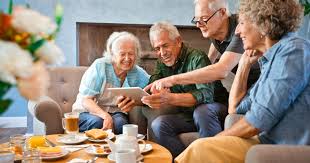
This shift reflects changing expectations among today’s seniors, who want retirement to feel engaging, comfortable, and fulfilling instead of passive or isolating. Lifestyle-focused communities now emphasize quality of life as much as physical care and support.
Modern Seniors Want More Than Basic Care and Housing
Today’s retirees often remain socially active, independent, and emotionally engaged much longer than previous generations. Many seniors no longer view retirement as a time to withdraw from activities or community involvement. Instead, they want environments that support hobbies, friendships, wellness, learning, and active participation in everyday life.
Because of this, retirement communities increasingly focus on creating experiences rather than simply providing services. Residents expect opportunities for social connection, flexibility, entertainment, and meaningful routines that help retirement feel enjoyable and purposeful.
Lifestyle-centered communities reflect this evolving view of aging and retirement living.
Social Engagement Has Become a Major Priority
One of the biggest differences in modern retirement communities is the strong focus on social interaction and emotional connection. Isolation and loneliness can quietly affect seniors living alone, especially after retirement, relocation, or major life changes.
Resident-centered communities help reduce this emotional isolation by creating daily opportunities for interaction through activities, events, dining experiences, wellness programs, and shared spaces. Seniors often feel happier and more emotionally balanced when they remain socially connected to peers and community life consistently.
Aspen Alcove emphasizes community engagement because emotional wellness strongly affects overall quality of life during retirement years.
Communities Now Focus More on Individual Preferences
Older retirement models often treated senior living as a one-size-fits-all experience. Today’s resident-centered communities instead focus on personalization and flexibility that allow seniors to maintain individuality and independence.
Residents now expect choices involving activities, dining, schedules, wellness programs, and lifestyle experiences that reflect personal interests and routines. Communities increasingly adapt services and programming to support different personalities, hobbies, and emotional needs rather than following rigid structures.
This personalized approach helps seniors feel respected, comfortable, and more emotionally connected within community environments.
Wellness Programs Support Active Aging
Modern retirement communities increasingly prioritize wellness-focused living that supports both physical and emotional health. Exercise classes, walking groups, fitness programs, educational sessions, and wellness activities encourage residents to remain active and engaged throughout retirement years.
Many seniors now seek communities where wellness becomes part of daily life rather than something addressed only during health challenges. Staying physically active often improves emotional confidence, mobility, energy levels, and social participation during aging.
Lifestyle-focused communities therefore create environments that encourage healthier and more fulfilling routines naturally.
Dining and Community Spaces Feel More Welcoming
Today’s retirement communities also place greater emphasis on creating warm and inviting social spaces where residents enjoy spending time together. Dining experiences, lounges, activity areas, outdoor spaces, and gathering areas now feel more comfortable, social, and resident-friendly compared to older institutional-style environments.
Shared meals and welcoming community spaces encourage conversation, friendship, and emotional connection throughout the day. Seniors often feel more relaxed and socially involved when communities create environments designed for comfort and interaction rather than strict routines or clinical atmospheres.
Aspen Alcove reflects this resident-centered approach through active community living and socially engaging shared experiences.
Activities Focus on Meaningful Engagement
Modern retirement communities understand that activities should support emotional wellness and personal fulfillment rather than simply filling time. Residents increasingly participate in programs involving arts, music, games, learning opportunities, cultural experiences, social gatherings, and hobbies that create enjoyment and meaningful engagement.
Many seniors rediscover interests or explore new experiences once they transition into active retirement communities. Meaningful participation helps residents maintain confidence, mental stimulation, and stronger emotional well-being during retirement years.
Lifestyle-focused communities therefore place significant value on creating engaging and emotionally rewarding daily experiences.
Technology Improves Communication and Convenience
Technology also plays a growing role in making retirement communities feel more connected and resident-centered. Seniors increasingly use digital communication tools to stay connected with family members, participate in virtual events, access information, and remain socially engaged.
Communities now use online calendars, communication platforms, virtual tours, and digital updates to improve convenience and resident involvement. Technology helps seniors maintain greater independence while also supporting stronger emotional connection with both family and community life.
Modern retirees increasingly expect retirement living to feel connected, accessible, and adaptable to evolving lifestyles.
Families Prioritize Emotional Wellness More Than Before
Families searching for retirement communities today often evaluate emotional atmosphere and resident happiness as carefully as healthcare support and safety services. Loved ones want seniors to feel socially connected, emotionally secure, and actively engaged instead of simply supervised or accommodated.
Resident-centered communities create environments where families notice positive emotional changes such as increased confidence, social participation, and improved mood among aging loved ones. Emotional wellness has therefore become one of the most important factors shaping modern retirement living expectations.
Communities focused on emotional support often create stronger long-term experiences for both residents and their families.
Modern Retirement Living Feels More Like Community Than Care
Perhaps the biggest shift in today’s retirement communities is the move away from institutional care models toward lifestyle-centered community living. Seniors increasingly want environments that feel lively, welcoming, socially engaging, and emotionally fulfilling rather than clinical or restrictive.
Residents now expect retirement communities to support independence, personal identity, emotional wellness, and active participation in everyday life. This focus on lifestyle and resident experience helps aging adults feel more comfortable and positive about community living overall.
Aspen Alcove embraces this philosophy by creating retirement experiences centered around connection, dignity, wellness, and meaningful engagement.
Conclusion: Modern Retirement Communities Prioritize Lifestyle, Wellness, and Resident Experience
Today’s retirement communities feel more lifestyle-focused and resident-centered because they prioritize emotional wellness, social engagement, active living, and personalized experiences alongside safety and support services. Seniors increasingly thrive in environments where they feel connected, valued, and actively involved in meaningful daily routines.
Aspen Alcove demonstrates how modern retirement living can support healthier and more fulfilling aging experiences through community-centered engagement, wellness-focused lifestyles, and emotionally supportive resident experiences. As retirement expectations continue evolving, lifestyle-driven and resident-centered communities will continue shaping the future of senior living.

