


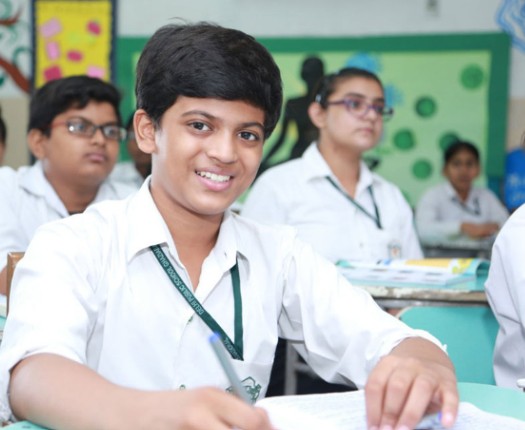
Educational expectations have changed significantly as parents increasingly seek learning environments capable of preparing students for future opportunities rather than simply examination performance. Modern education requires students to become critical thinkers, collaborative learners, and adaptable individuals capable of navigating changing environments.
This transformation has contributed to growing interest in IB schools in Delhi NCR where families explore educational systems designed around inquiry, conceptual understanding, and holistic development. Among the educational frameworks attracting attention, the IB Primary Years Programme has become particularly popular because of its focus on developing curious, independent learners.
Delhi Public School Ghaziabad International reflects many of these educational priorities through internationally aligned learning practices that emphasize inquiry, exploration, collaboration, and student centered experiences.
Understanding the IB PYP Curriculum
The IB Primary Years Programme focuses on children between three and twelve years of age and aims to create learners who actively participate in educational experiences.
The curriculum emphasizes:
- Inquiry driven learning
- Conceptual understanding
- International mindedness
- Student agency
- Collaborative experiences
- Real world application
Instead of treating subjects as isolated disciplines, the curriculum encourages students to connect ideas across multiple areas of learning.
This integrated approach helps learners understand relationships between concepts while creating stronger engagement.
Why Inquiry Based Learning Matters
Inquiry forms the foundation of the IB PYP curriculum.
Students are encouraged to:
- Ask questions
- Explore ideas
- Investigate concepts
- Participate actively
- Develop independent thinking
Inquiry based learning creates environments where students take greater responsibility for learning experiences.
This often leads to stronger motivation because learning becomes interactive rather than passive.
Developing Lifelong Learners
Educational systems increasingly recognize that learning should extend beyond examinations.
IB learning environments focus on helping students become:
- Curious learners
- Effective communicators
- Reflective thinkers
- Responsible individuals
- Collaborative participants
These qualities contribute to stronger long term outcomes because students develop habits that remain useful throughout life.
Educational success increasingly depends on adaptability and continuous learning capabilities.
Why Families Are Choosing IB Schools in Delhi NCR
Parents evaluating schools increasingly consider factors beyond curriculum names.
Common priorities include:
- Global exposure
- Strong academics
- Future readiness
- Communication skills
- Leadership development
- Technology integration
IB schools often attract attention because they combine academic learning with broader developmental opportunities.
Families increasingly prefer educational systems capable of balancing academic expectations with emotional and social development.
Classroom Experiences in IB Learning
IB classrooms differ from traditional lecture driven environments.
Students participate in:
- Discussions
- Collaborative projects
- Research activities
- Group investigations
- Practical learning experiences
These activities encourage participation and create opportunities for deeper understanding.
Learning becomes more meaningful when students actively explore concepts rather than simply memorizing information.
Technology and Modern Learning Environments
Technology supports educational experiences by improving engagement and expanding access to resources.
Modern classrooms increasingly include:
- Interactive learning tools
- Multimedia resources
- Digital collaboration platforms
- Technology supported research
These tools create more engaging experiences while helping students build digital literacy skills.
Educational institutions increasingly integrate technology because future environments require comfort with digital tools.
Importance of Holistic Development
Strong educational systems focus on broader development alongside academics.
Holistic education includes:
- Sports participation
- Creative activities
- Leadership experiences
- Social development
- Emotional growth
Balanced learning environments create opportunities for students to discover interests while building confidence.
Delhi Public School Ghaziabad International emphasizes broader development opportunities designed to complement classroom learning experiences.
Teacher Roles Within IB Learning
Teachers within inquiry based environments function differently compared with traditional instructional models.
Educators increasingly serve as:
- Facilitators
- Mentors
- Learning guides
- Discussion leaders
These roles encourage students to become more independent while maintaining strong academic support systems.
Teacher expertise remains essential because inquiry based classrooms require careful planning and facilitation.
Global Perspectives and International Mindedness
International mindedness represents a central component of IB education.
Students learn to:
- Appreciate diverse perspectives
- Communicate effectively
- Understand global issues
- Respect different viewpoints
These experiences help learners develop broader worldviews and stronger interpersonal skills.
As higher education and careers become increasingly interconnected, global awareness continues gaining importance.
Future Readiness Through Skill Development
Future educational and professional success depends increasingly on transferable skills.
Students benefit from developing:
- Communication abilities
- Critical thinking skills
- Collaboration capabilities
- Problem solving approaches
- Creativity
Educational systems emphasizing these competencies create stronger preparation for future opportunities.
The IB PYP curriculum attempts to develop these abilities from early educational stages.
Conclusion
The growing popularity of IB schools in Delhi NCR reflects broader changes in how families evaluate educational quality.
As parents seek educational environments capable of preparing children for future challenges, inquiry driven systems increasingly attract attention. Delhi Public School Ghaziabad International supports many of these expectations through learning experiences designed around exploration, collaboration, technology integration, and holistic development. Understanding the IB PYP curriculum helps families evaluate educational approaches that focus not only on academics but also on creating confident, curious, and adaptable learners prepared for future opportunities.

