


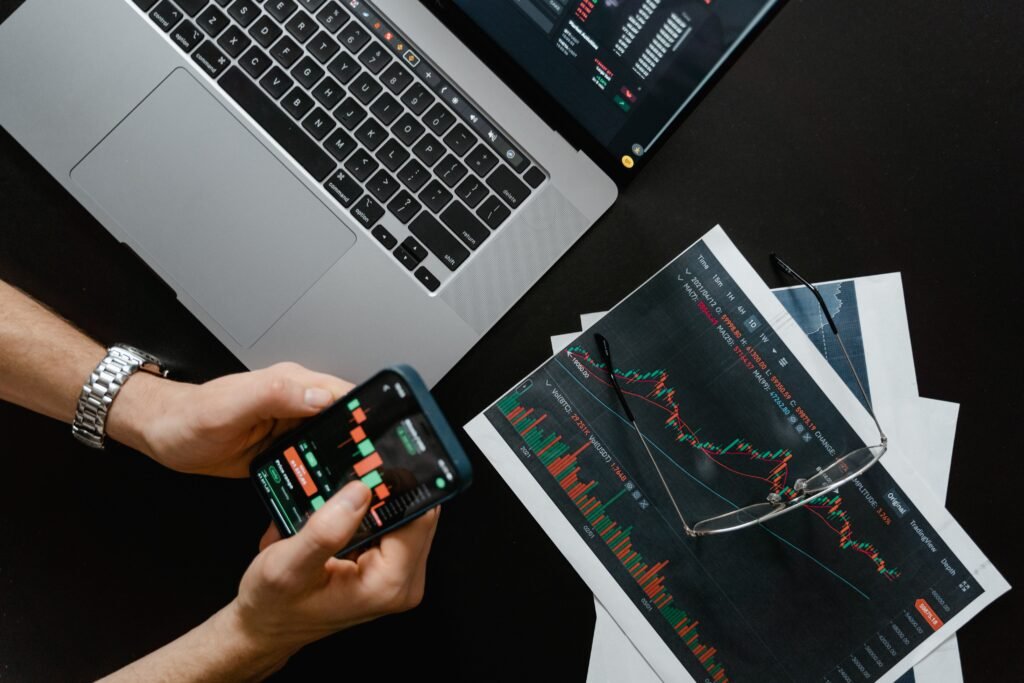
For many working adults, a salary is no longer the only way they think about building financial security. Today, it’s increasingly common to look beyond the traditional 9-to-5 job for ways to build wealth or earn additional income. Some invest in assets they plan to hold for years. Others take on freelance work, start small businesses, or turn their skills into side hustles.
Then there’s trading.
Trading can seem like it sits somewhere between investing and running a business. You can access financial markets such as forex, stocks, commodities, indices, and cryptocurrencies, and potentially profit from changes in market prices.
But there’s an important catch: trading isn’t an easy side hustle.
It may be accessible, but that doesn’t mean it’s easy. Before treating forex trading or another form of trading as a second source of income, it’s worth taking a realistic look at what you’re getting into.
What Is Trading?
In simple terms, trading involves buying and selling financial instruments to profit from changes in their prices.
There are several financial markets people can trade, including stocks, commodities, indices, cryptocurrencies, and currencies. Forex trading, for example, involves buying and selling currency pairs in an attempt to profit from changes in exchange rates. Traders can also access derivatives such as contracts for difference (CFDs), which allow them to speculate on the price movements of various underlying assets.
The time frame can vary considerably. Some traders open and close positions within minutes or hours, while others may hold trades for days or weeks.
This is one of the key differences between trading and traditional investing. Investors generally have a longer-term outlook and may hold assets for years, while traders typically focus more heavily on shorter-term price movements.
5 Reasons to Be Cautious About Trading as a Side Hustle
1. Trading Isn’t Passive Income
One of the biggest misconceptions about trading is that it can generate money in the background.
It generally doesn’t work that way.
Successful trading requires research, planning, monitoring, analysis, risk management, and decision-making. Even if you have a trading strategy, you still need to understand when and how to use it.
For someone already working a full-time job, this can turn trading into another responsibility rather than an easy source of additional income.
If your goal is specifically passive income, trading may not be the best fit.
2. It Takes Time to Learn
Trading platforms have made it easier than ever to access financial markets. Opening an account and placing a trade can take only a few minutes. Learning to trade profitably, however, is a different story.
Understanding market movements, developing a strategy, managing risk, and learning to control your emotions can take considerable time. Beginners may also need to spend time practicing before they’re comfortable risking real money.
The convenience of trading from a phone shouldn’t be confused with simplicity.
3. Losses Are Part of the Game
Trading involves risk, and losing trades are unavoidable.
Even experienced traders can have losing positions or periods when their strategies don’t perform as expected. Beginners may be particularly vulnerable to losses if they don’t understand position sizing, leverage, or risk management.
This is especially important when trading is treated as a source of income. If you need your trading account to produce a certain amount of money every month, losses can become much more stressful.
Trading money should therefore be money you can afford to lose, not money intended for rent, bills, emergency savings, or other essential expenses.
4. Your Emotions Can Get in the Way
Psychology plays a major role in trading. Fear can cause traders to exit positions too early. Greed can encourage them to take excessive risks. After a loss, some traders may try to immediately recover their money by taking larger or less carefully considered trades.
This is sometimes called revenge trading. And when you’re already tired from work or stressed about your finances, making disciplined decisions can become even more difficult.
5. It Can Turn Into a Second Job
The irony of using trading to escape the grind is that trading itself can become a grind.
Depending on your strategy and market, you may spend hours researching opportunities, watching price movements, reviewing trades, and keeping up with economic or market developments.
For some people, they genuinely enjoy this process. For others, it becomes another obligation after a long workday.
Before starting, ask yourself whether you actually want another activity that demands your time and attention—or whether you’re simply looking for an easier way to earn additional income.
Trading VS Investing: Which is More Suitable for You?
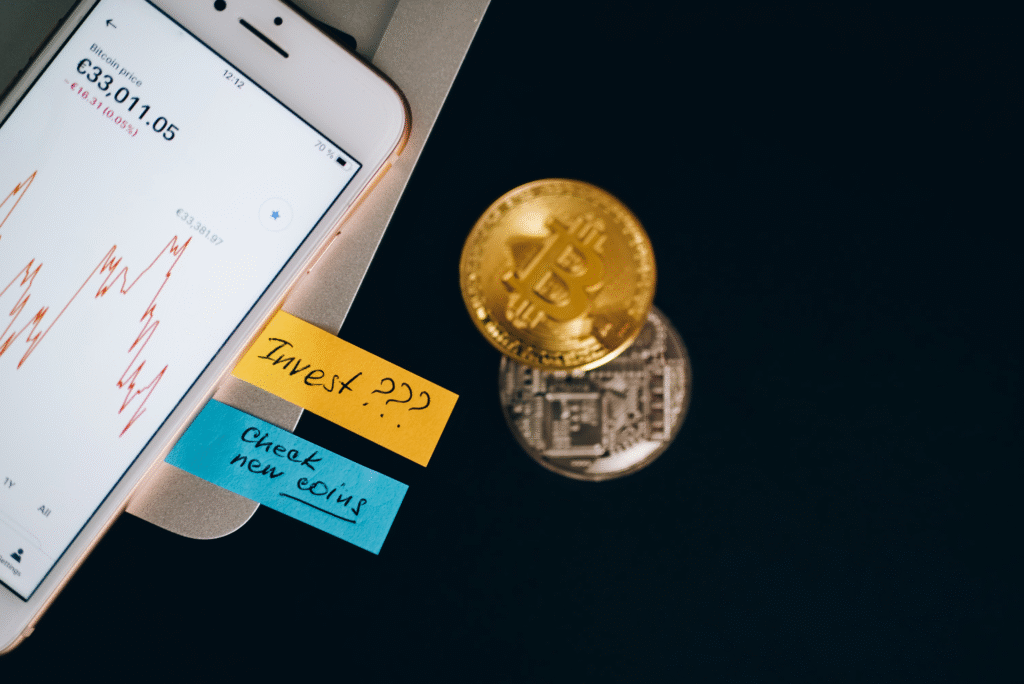
Are you more like a trader or an investor? Trading and investing serve different purposes and require different mindsets. Asking the right questions can help you determine which approach better fits your goals and lifestyle.
What are your financial goals?
Are you aiming to build long-term wealth steadily over time, or are you looking for more active opportunities to potentially generate short-term returns?
Investing is generally aligned with long-term wealth building, while trading focuses more on short-term market movements. Your objective will strongly influence which approach is more appropriate for you.
How much time can you commit?
Consider your daily responsibilities. If you work full-time or have limited free time, investing may be more practical since it typically requires less frequent monitoring. Trading, on the other hand, often demands more active attention, research, and decision-making.
What is your risk tolerance?
How comfortable are you with seeing your portfolio fluctuate in value? Both investing and trading involve risk, but trading—especially short-term trading—can involve more frequent and sharper fluctuations. If market volatility causes you significant stress, a long-term investing approach may be more suitable.
How do you handle uncertainty and pressure?
Can you stick to a long-term plan even when markets are down, or do you feel compelled to react quickly to every price movement? Investing requires patience and discipline over time, while trading requires the ability to make fast decisions and manage emotional reactions to wins and losses.
Being honest about these questions is often more valuable than trying to find the “best” strategy. The right choice between trading and investing depends less on which is better in general, and more on which one aligns with your goals, time availability, and emotional comfort with risk.
Trading Can Be Profitable, But It’s Not Easy
Trading isn’t a bad way to make money. The problem is treating it as an effortless side hustle.
Forex trading, stock trading, and other forms of trading come with real risks and require knowledge, discipline, capital, and realistic expectations. If you’re genuinely interested in learning how financial markets work and are prepared to approach trading with the same seriousness you would give any other business or financial activity, it may be worth exploring.
But if you’re looking for an easy way to make extra money after work, trading probably isn’t the shortcut it appears to be.
Author Bio: Carmina Natividad is a resident writer for FP Markets, a globally recognised Forex and CFD broker based in Australia, offering traders access to a wide range of financial markets, advanced trading platforms, and competitive trading conditions. She creates informative, easy-to-follow content on trading, investing, and personal finance, helping readers navigate the markets with confidence.

